No phone calls to make
Signs your air ducts need cleaning in Oregon
Dust coming back days after you clean, a musty smell when the system kicks on, rooms that never heat right even with power running the baseboard or furnace. This page walks through what those signs actually mean for your ducts and when cleaning is worth doing. No need to search around, call a few companies and explain the same problem three times. One licensed Oregon contractor who deals with this equipment every season can take a look and tell you straight.
Skip the callsDust that settles back on the furniture within a few days of cleaning, a musty smell when the system first kicks on, and rooms that stay cold even with the baseboard or furnace running are the signs your ducts need attention. Dust means the ducts are shedding what's built up inside them every time air moves through. The smell usually means moisture got into the system at some point, often around a vent or in a duct run through an unheated space, and it's sitting in there growing something. Uneven heat points to a blockage or a duct that's come loose somewhere in the run, not just dirt. None of these are emergencies, but they're worth checking, especially since most homes in Oregon heat with electricity and a duct system working against a blockage or leak runs longer than it should to do the same job. Cleaning fixes the buildup. A loose duct or a moisture source needs a look to find out why it's happening.
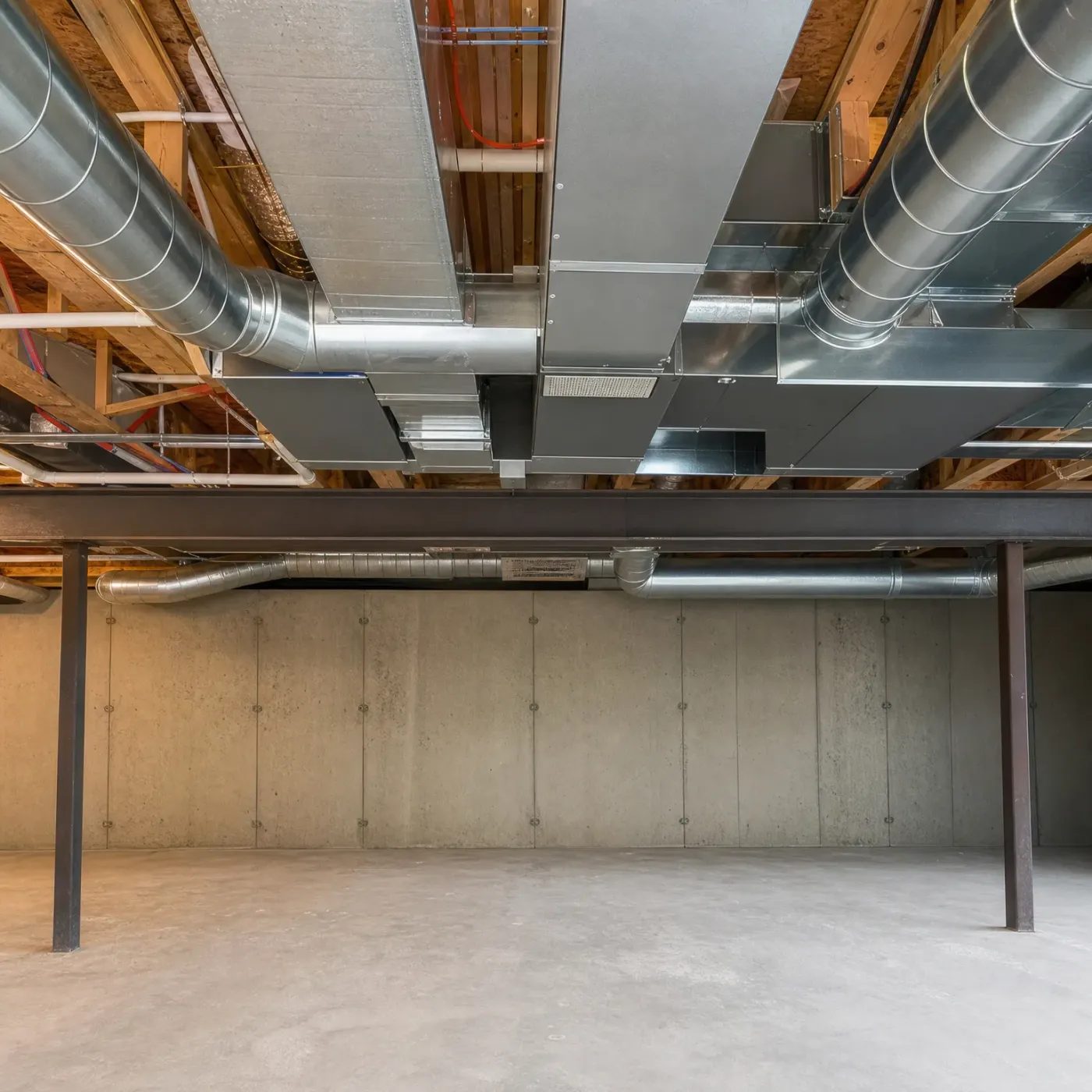
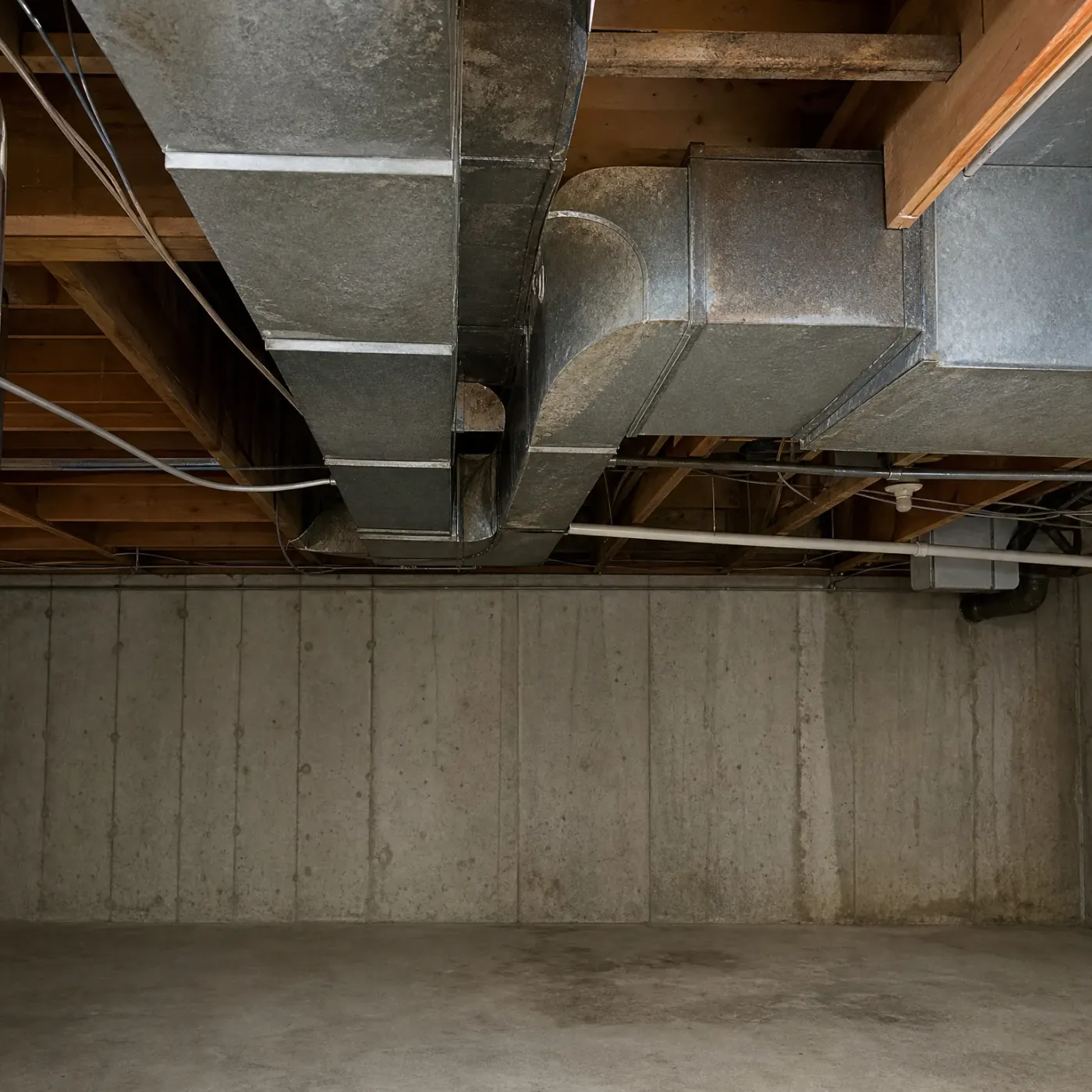
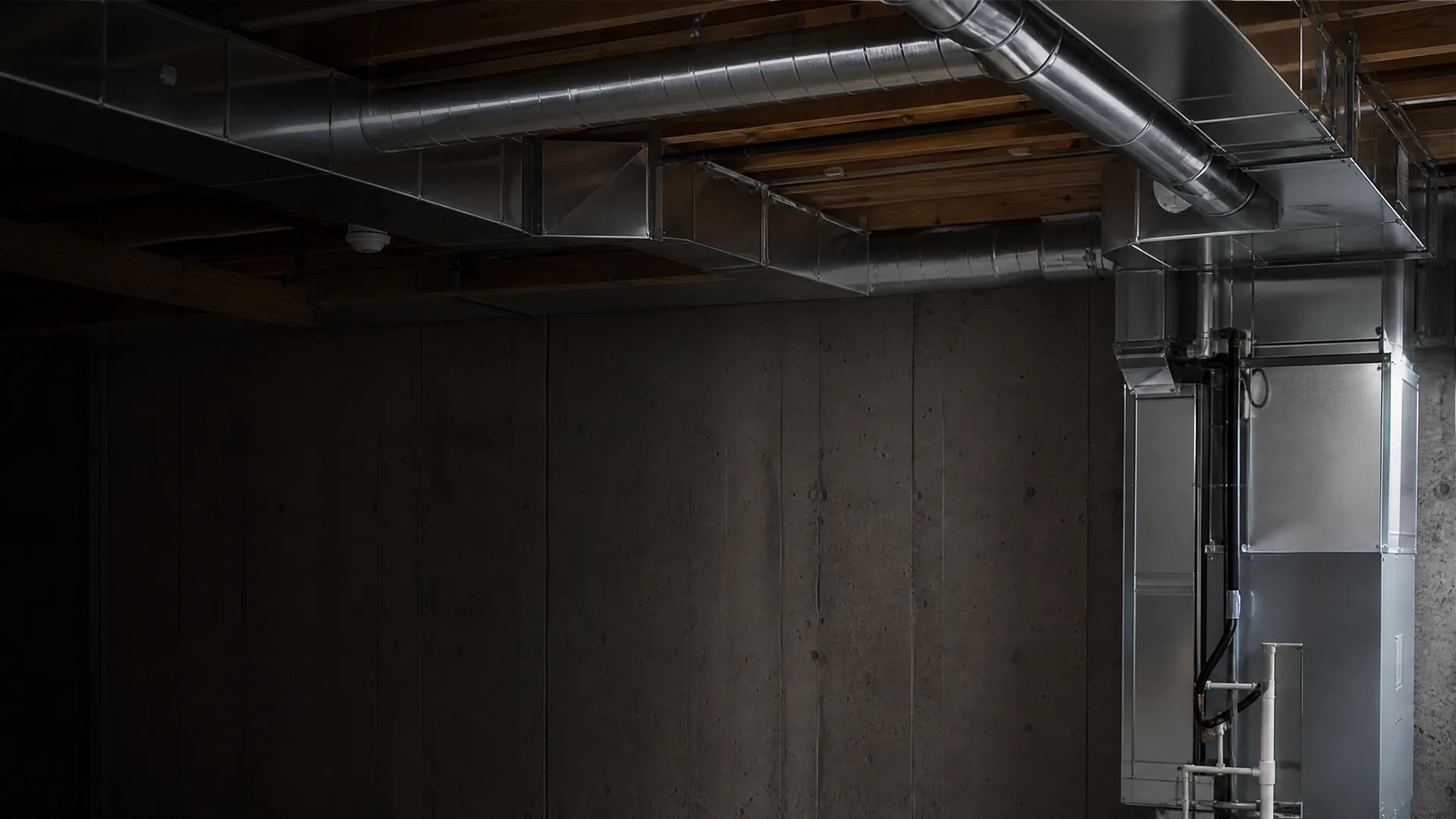
Ducts that run through a crawlspace or attic sit in damp air for months at a time, and that moisture is what grows mold on the inside of the duct wall. That's the musty smell. A cleaning crew deals with this by running a brush or a whip down each run and vacuuming from the far end, so what gets knocked loose actually leaves the system instead of settling into the next section. But cleaning only solves problems that are sitting inside the duct. A return with a bad seal is pulling attic or crawlspace air into the system from outside the ductwork entirely, and no brush reaches that. A supply line that's come apart at a joint is losing heated air into the floor cavity before it gets anywhere near the room. Flex duct that's sagged or kinked chokes airflow the way a pinched hose does, no matter how clean the inside is. If a duct is torn or a boot has come loose from the vent, that's a repair, and it's worth knowing which problem you actually have before paying for one or the other.
Why cleaning alone doesn't always fix it
- Ducts in a crawlspace or attic pick up moisture that lets mold grow on the inside walls, and that's usually what the musty smell is.
- A return duct with a bad seal pulls air from the attic or crawlspace straight into the system instead of from the room.
- Supply ducts that have come loose at a joint dump heated air into the floor cavity before it ever reaches the vent.
- Flex duct that has gone slack or kinked restricts airflow the same way a pinched hose does, and vacuuming a vent won't fix that.
- A cleaning crew runs a brush or whip through each run and vacuums from the far end so debris doesn't just move to the next section.
- If the ductwork has a tear or a disconnected boot, cleaning won't stop the dust or the cold room, since the problem is the duct itself, not what's built up inside it.


One form, no calling around
Only one pro gets your request, so you hear from one company.
Skip searching for a duct system pro and answer a few questions instead.
You're not committing to anything by asking.
Why does your house feel dusty right after you clean it
You run a cloth over the end table on Saturday and by Wednesday there's a film on it again. You notice it most on the registers themselves, a gray ring building up around the edges. Some rooms take longer to warm up than others, even with the baseboard or furnace working the way it should. Open a supply vent and the air coming out feels thin, more of a push than a flow. If anyone in the house has allergies or asthma, you may notice it flares up more at home than away from it, especially right after the heat kicks on for the first time that day. None of this means the system is broken. It means the ducts are feeding dust and sometimes mold spores back into the air faster than you can wipe it away.




Why does a damaged duct make dust a health concern, not just a cleaning one
You keep cleaning and the dust keeps coming back, and now you're wondering if it's more than just a nuisance. If something in the ductwork itself is torn or gapped, what's circulating through your vents isn't the same as ordinary household dust, and that changes how much it matters whether you deal with it.
A gap in the duct pulls in whatever is behind the wall or under the house, not just room air
A sealed duct only carries the air from your rooms. A torn or disconnected one pulls from wherever it runs, a crawlspace, an attic, the dirt behind a wall cavity. That air carries insulation fibers, mold spores off damp framing, and whatever has settled in a space that was never meant to be breathed. The furnace or baseboard doesn't filter that out before it reaches the vent, because a return leak often pulls air in after the filter, not before it. So the dust you're wiping off the end table isn't just dust. It's a sign that part of what you're breathing came from outside the ductwork, not through it. That's worth knowing before you decide cleaning alone will fix it.


Power costs 15.46 cents per kilowatt-hour statewide
Most Oregon homes heat with electricity, and at 15.46 cents a kilowatt-hour that baseboard or furnace isn't cheap to run. When a clogged or leaky duct makes it work harder to get heat into a room, you're paying for air that never makes it out of the vent.
EIA-861 2025 statewide residential average
Where this leaves you
- Dust back within days, a musty smell on startup, and rooms that stay cold with the baseboard running are the three signs worth acting on.
- A gap or tear in the ductwork is something a local contractor can find with a camera or a pressure test rather than a guess.
- Someone who works on Oregon duct systems every winter knows what a crawlspace or attic run usually fails from.
- Sending the job to one licensed local contractor means one visit and one answer instead of sorting through several opinions.
- Once the signs match what you've read here, the next step is having the ducts looked at, not more cleaning on your end.
If dust is back within days, if there's a musty smell when the baseboard or furnace kicks on, or if a room never gets warm no matter how long it runs, that's not something more cleaning on your end fixes. It's the ducts themselves, a gap, a tear, a bad seal pulling air from the crawlspace or attic. A camera or a pressure test shows which one you've got, and that's not a guess you can make standing in the hallway.
That's the part a contractor who's local to Oregon and works on duct systems every winter already has a feel for. They've seen what a crawlspace run usually fails from and what an attic run usually fails from, and they're not meeting your house for the first time through a diagnosis. Requesting service here sends the job to one of them, not a handful of companies competing for the callback. One visit, one answer, no comparing quotes or explaining the musty smell three separate times to three separate people.
You came here with a list of signs and a system that isn't behaving right. The signs matter because they point to something specific: dust shedding from inside the duct, moisture sitting where it shouldn't, a seal that's let go somewhere along the run. None of that gets better on its own, and none of it shows up clearly without someone looking at the ducts directly. That's the next step, and it's a smaller one than it probably feels like right now.
Skip the search
Your request stays with one local pro.