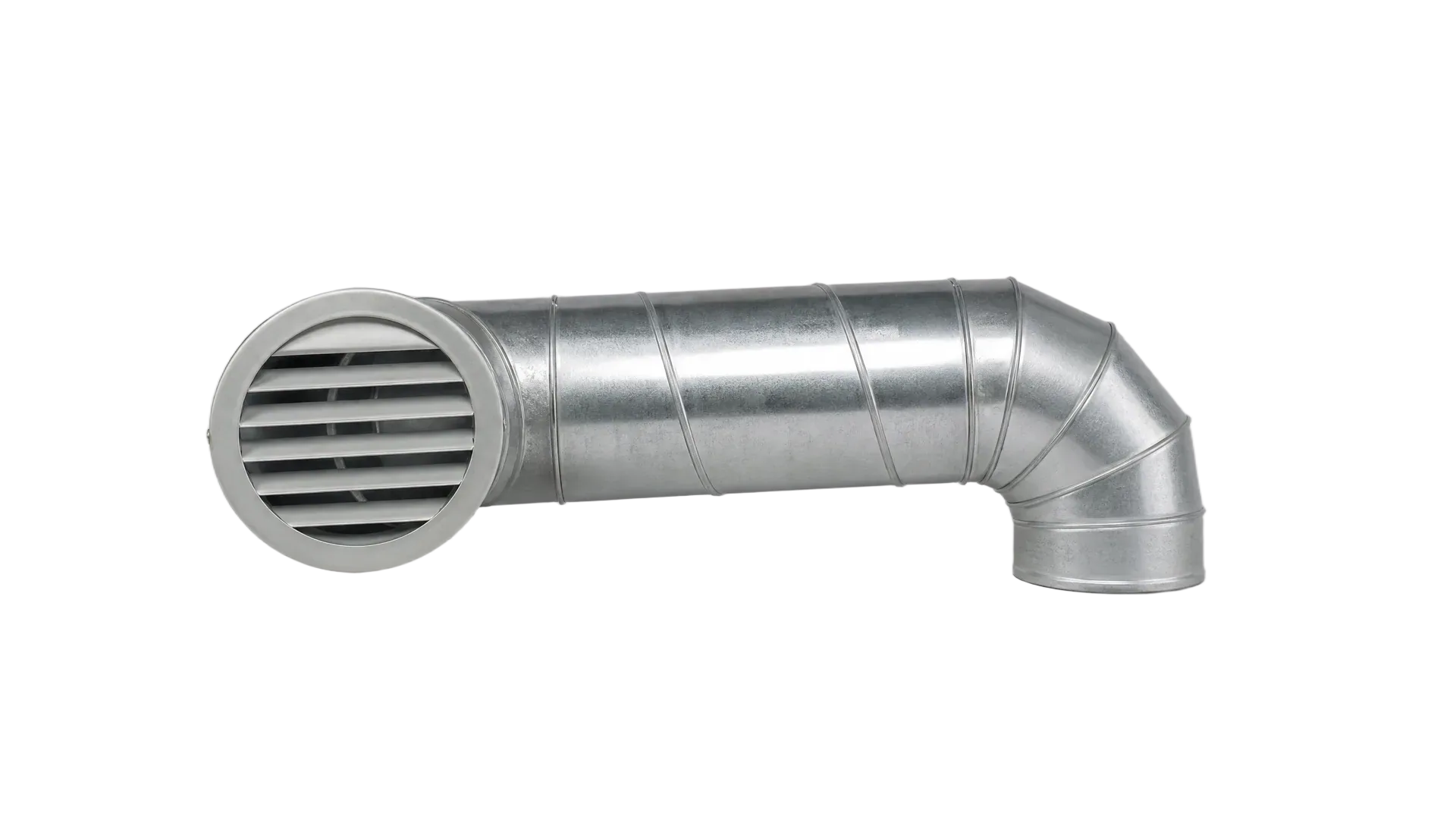
Dry ducts, no smell
When the ductwork stays dry, metal and insulation don't hold onto anything. Air moves through, picks up nothing along the way, and the vents stay quiet. Nothing about this setup gives mold or mildew a place to settle in.
You turn on the heat or the air and catch that damp, earthy smell coming through the vents. It's not strong enough to be an emergency, but it's there every time the system runs, and it makes you wonder what's sitting inside your ductwork that you can't see.
Dust and moisture inside the ductwork give mold something to grow on, and the smell is the sign of it. Oregon's mild, damp air outside means your ducts don't dry out the way they would somewhere hotter and drier, so once moisture gets in, it tends to stay. With most homes here heating with electricity, the system runs steadily through the cold months, pushing that musty air through the house every time it kicks on. The smell usually means the growth is established enough to notice, not that it just started. A duct cleaning removes the buildup feeding it, which is the only way to get rid of the smell rather than just covering it up.

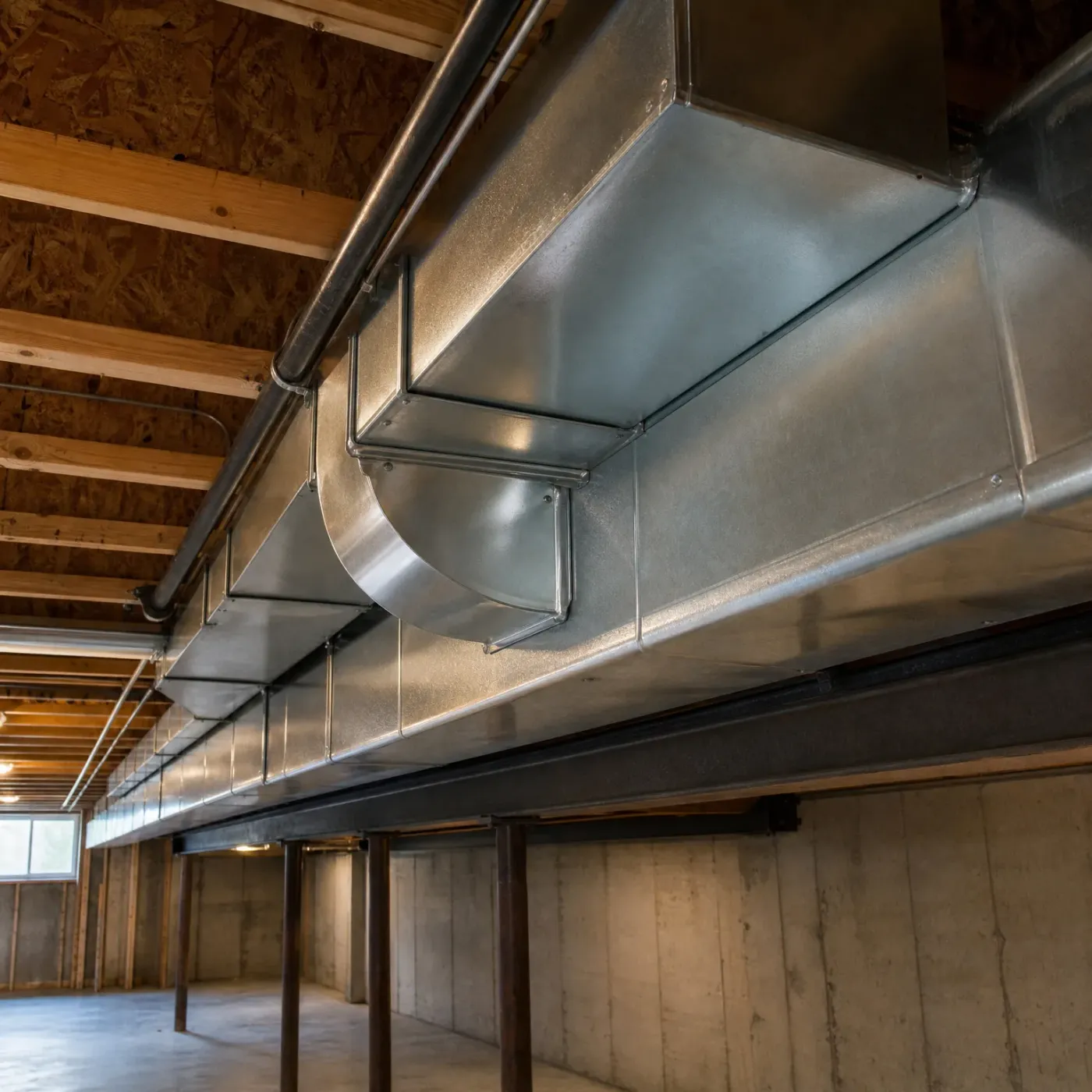
When the ductwork stays dry, metal and insulation don't hold onto anything. Air moves through, picks up nothing along the way, and the vents stay quiet. Nothing about this setup gives mold or mildew a place to settle in.

Once moisture gets into the ducts or the insulation around them, it doesn't dry out on its own down there. Mold takes hold inside the metal and the flex duct, and every time the blower kicks on, it pushes that smell straight through your vents.
Run your hand near the vent and you might feel it's a little damp, even when the system has been off for a while. The smell tends to be strongest right when the air kicks on, then fades. Sometimes it's stronger in one room than another, which usually means that run of duct is wetter than the rest. A smell that shows up every time you heat the house, and doesn't go away on its own, means there's something in the ductwork holding onto moisture. Left alone, that's a place for mold to keep growing, and the air moving through it carries that into every room the duct feeds.
A technician inspects the ducts with a camera to find buildup
Vents and registers are removed to open each duct line
A vacuum unit connects to the ductwork to pull debris out
A brush or air tool loosens buildup stuck to duct walls




Oregon summers run warm but not humid, so outside air isn't feeding the moisture. Whatever is holding dampness in your ducts is coming from inside the system itself.
Most homes here heat with electric systems, but the air still travels through the same ductwork all winter. A musty smell shows up regardless of what's producing the heat.


Send it once and finding someone is no longer on you.
A local pro who knows ducts gets your details and gets in touch.
No fee to send it, and nothing to sign.


The smell usually starts at the coil, not the ducts. Your air handler has an evaporator coil that gets cold every time the system runs, and cold metal pulls moisture out of the air around it. That water has to go somewhere, so it drips into a pan underneath and down a drain line that runs outside the house. When that line is clear, the water leaves and the coil dries between cycles. When it's clogged with algae or built-up dust, the pan can't empty, and water sits there against the coil and the plenum above it. That metal stays damp far longer than it should, even after the system shuts off. The ducts running off the plenum are lined with insulation on the inside, and that insulation will soak up moisture sitting nearby and hold onto it. Once it's damp, ordinary dust settling out of the air gives mold something to grow on, and every time the blower kicks on, that smell rides out through the vents into the room. This is why a technician checks the drain line and the pan before touching the ductwork itself. Cleaning the ducts without fixing a clogged drain just means the same moisture comes back and the smell returns, because the source was never the duct run. It was the water that never left.
Running a duct cleaning doesn't swing your power bill much either way. At 15.46 cents per kilowatt-hour, the cost that matters here isn't electricity, it's whatever is sitting in the ducts making your system work through a smell every time it kicks on.
EIA-861 2025 statewide residential average

That musty smell coming through your vents is moisture sitting somewhere in the duct system, holding onto dust and whatever else has settled there. It is not something to guess at. A technician can trace it to the spot it is coming from and clean out what is causing it.
Once you send a request, the job of finding someone who can look at your ducts is off your plate. A contractor who handles this kind of cleaning will get in touch with you directly, and you can walk them through what you are smelling and when. You do not have to track anyone down or figure out who to call. That part is handled from here.


Send the form and finding a duct cleaner is handled.