
Mini Split Installation in Hillsboro, OR
Tell us about the house, and a licensed contractor who covers Washington County will get in touch.
Tell us about the job
It takes about a minute.
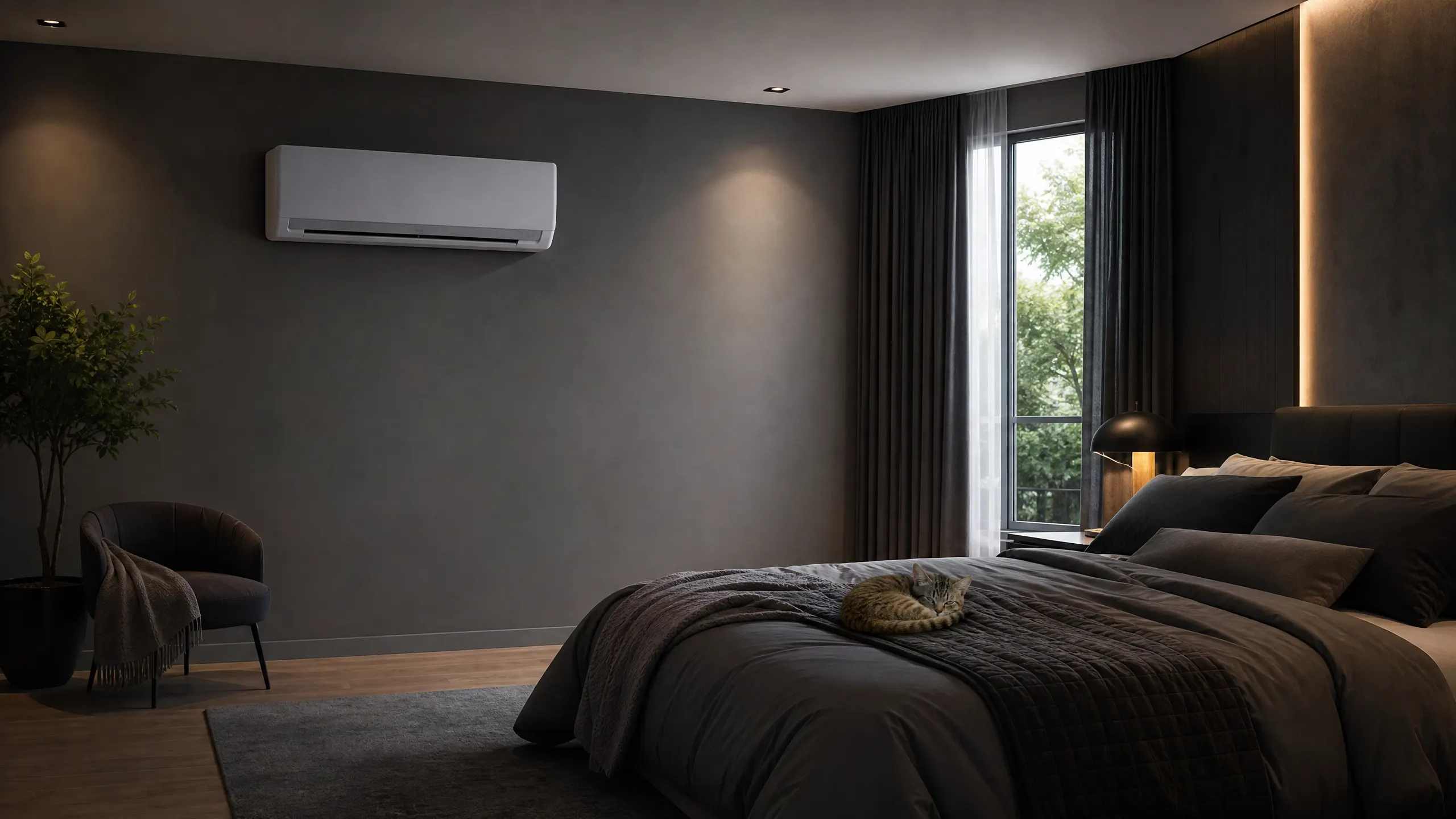
Nine months of heating puts the load on your heat pump
Hillsboro homes need heat October through June. That is nine months of the year your mini-split will be doing the work, with winter nights averaging 34°F through December, January, and February. A mini-split installed here needs to hold its output on the cold mornings, not just the mild ones in between.
Any mini-split installed new has to meet the federal minimum for a split-system heat pump, 7.5 HSPF2 for heating and 14.3 SEER2 for cooling. That is the floor, not a feature to shop for. What matters more for a nine-month heating season is sizing the unit to the room it serves and installing it so it keeps up on the coldest nights, not just the average ones.
- 9 months
- October through June, your system heats
- 34°F
- the average winter night it heats against
- 76°F
- the average summer afternoon it cools against
Oregon requires HVAC contractors to hold a state license.
The Construction Contractors Board tests and records the contractor, not the specific job, so the license tells you the person or business behind the work has met the state's standard, even though it was not issued for this particular install. Oregon does carve out an exception for work under $1,000, but a mini-split installation runs well past that, so this job falls under the licensing requirement.
Because the license covers the contractor rather than the job, the part that protects you here is the local permit and inspection process. Most cities and counties in Oregon require a permit for this kind of installation and an inspection once it's done, which is what confirms the refrigerant lines, electrical work, and mounting were done correctly, separate from whatever the state license already tells you about the contractor.
Source: Oregon Legislative Assembly
- Is a mini split worth it?
- It depends on what you're heating and how the house is set up now, but for most homes here it makes sense. Heat is needed October through June, so a mini split is doing most of the work most of the year, not just backing up a furnace on a few cold nights. Since it heats and cools with one system, it also covers the rare warm afternoon without a separate air conditioner. A contractor can look at your rooms and your current setup and tell you what it would take.
- How many rooms can a mini split cover?
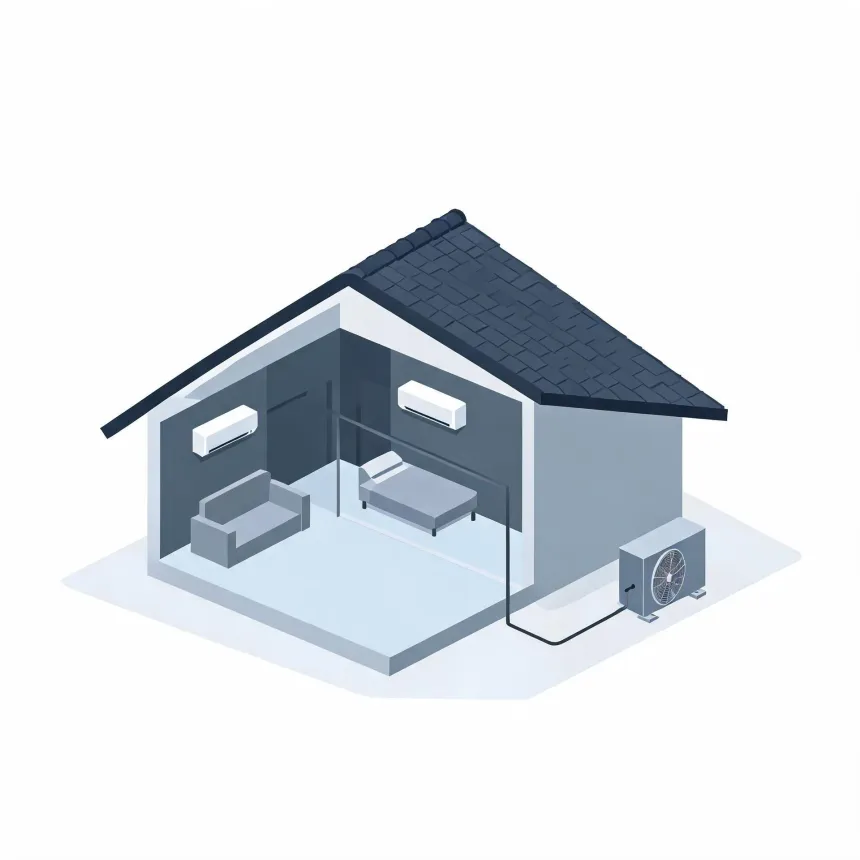
- A single outdoor unit can run one indoor head or several, so it can cover one room or spread across a handful, depending on which system is installed. A single-zone system heats and cools one room or open area well. A multi-zone system runs several indoor heads off one outdoor unit, with each head controlled on its own so you can heat one room without heating them all. How many zones make sense for your house depends on the layout, so a contractor should walk through it room by room.
- Can a mini split heat a whole house?
- Yes, with the right setup. A multi-zone system with an indoor head in each main room can heat the whole house, with each zone controlled separately. Whether that's the better route compared to a central heat pump depends on the layout of your house and how it's built, and since winter lows here average 34°F, the system also needs to be sized to handle real cold, not just mild days. A contractor can look at the house and work out what's needed to cover every room.