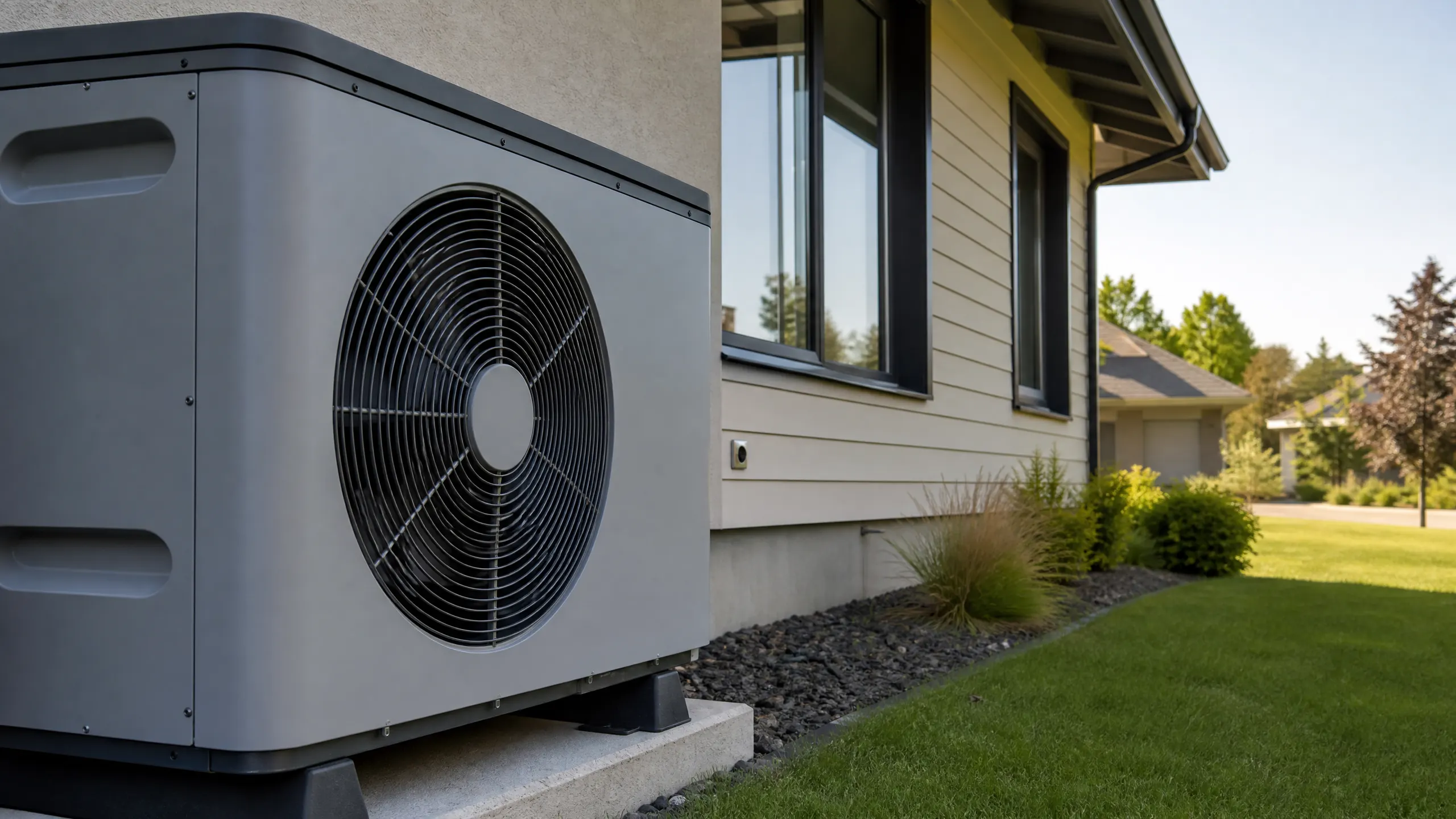
Heat Pump Installation in Albany, OR
Tell us about the house, and a licensed contractor who covers Linn County will get in touch.
Tell us about the job
It takes about a minute.
Ten months of heating a year, with mild summers
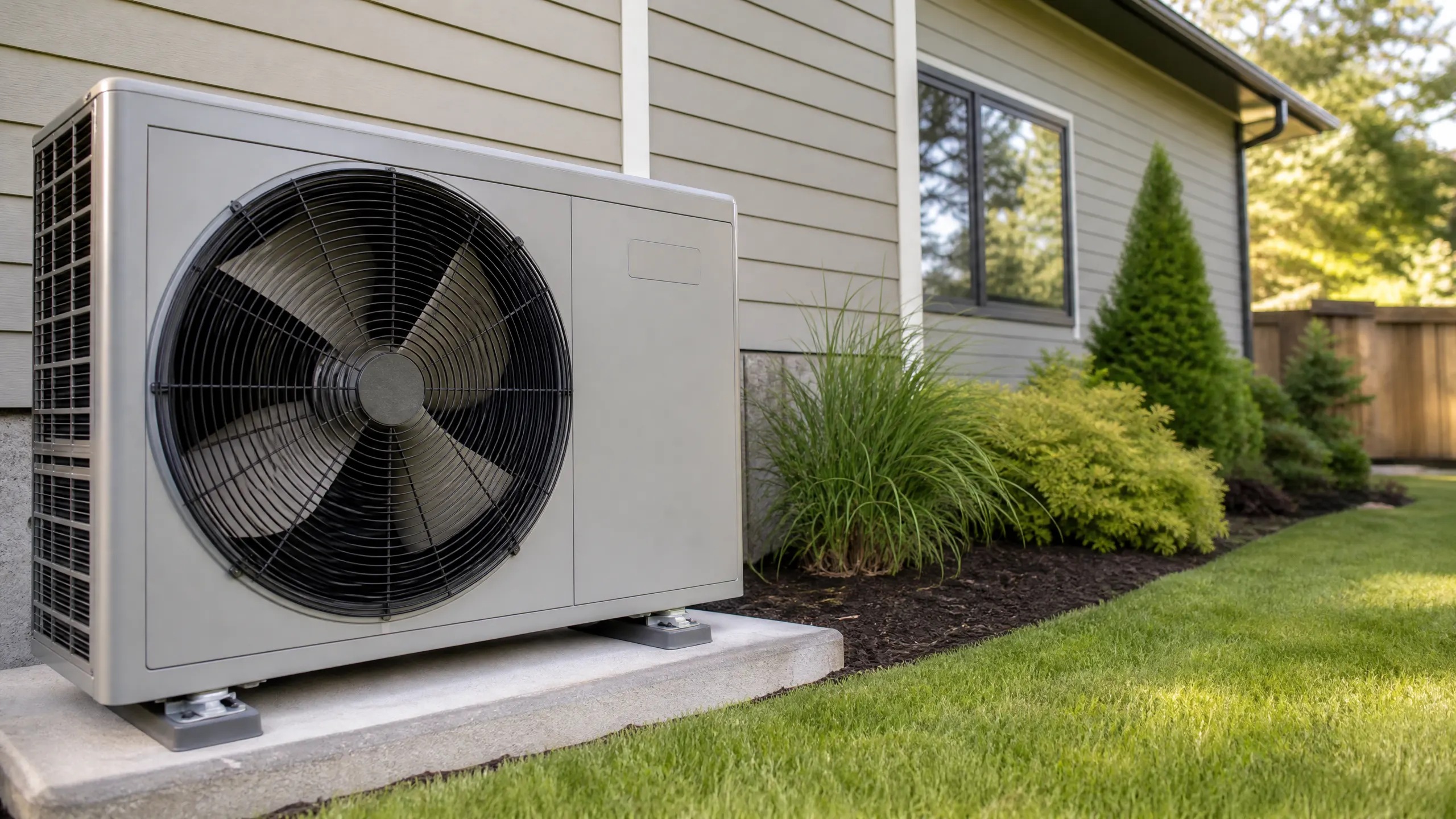
Your heat pump in Albany works mostly one direction. Homes here need heat from September through June, and winter nights average 32°F through December, January and February. Summer afternoons only average 75°F, so the compressor barely has to work on the cooling side. A new system here earns its keep on the heating end, not the cooling end.
More than half of homes in the area heat with electricity already, so a heat pump fits how the area is already set up. Any split-system model installed now has to meet 7.5 HSPF2 for heating and 14.3 SEER2 for cooling, the federal minimum since January 2023. Linn County has also seen its share of winter storms and wind events over the past ten years, and a fifth of Oregon households lost power for at least a day in 2024, worth keeping in mind if you're weighing backup heat alongside the heat pump itself.
- 10 months
- September through June, your system heats
- 32°F
- the average winter night it heats against
- 75°F
- the average summer afternoon it cools against
Oregon requires HVAC contractors to hold a state license.
That license comes from the Construction Contractors Board, and it belongs to the contractor, not the job. The board tests and tracks who holds one, and it covers the business doing the work, not each installation separately. Work under $1,000 in Oregon does not need a licensed contractor, though a heat pump installation runs well past that.
For this job, that license is what stands behind the person in your house, since Oregon tests and records who gets to hold one. In most cities and counties, the installation also needs a permit from the local building office, with an inspection once the work is done.
Source: Oregon Legislative Assembly
- Is a heat pump better than a furnace?
- It depends on what you need it to do. A furnace only heats. A heat pump heats and cools, using the same unit and the same ductwork. With 10 months a year of heating or cooling here, that second job matters more than it would somewhere with a short season. A furnace can still make sense for a house that needs strong heat on the coldest nights, so it's worth having a contractor look at your home before deciding.
- What's the difference between a heat pump and an air conditioner?
- An air conditioner only cools. A heat pump cools the same way, but it can also run in reverse to heat your home. Both use a compressor and a refrigerant cycle, and both connect to your existing ductwork. The difference is that a heat pump replaces your furnace too, instead of just your AC.
- Does a heat pump work in cold weather?
- Yes. A heat pump pulls heat from the outside air even when it's cold, because there's still heat in air well below freezing. Winter nights here average 32°F, which is well within the range a heat pump is built to handle. As the outdoor temperature drops further, a heat pump has to work harder to move that heat, so a contractor will size the system for the coldest nights your home actually sees.