Heat Pump Repair in Albany, OR
If your system quits, tell us what it's doing and a licensed contractor who covers Linn County will get in touch.
Tell us about the job
It takes about a minute.
Your heat pump works hardest at the coldest point
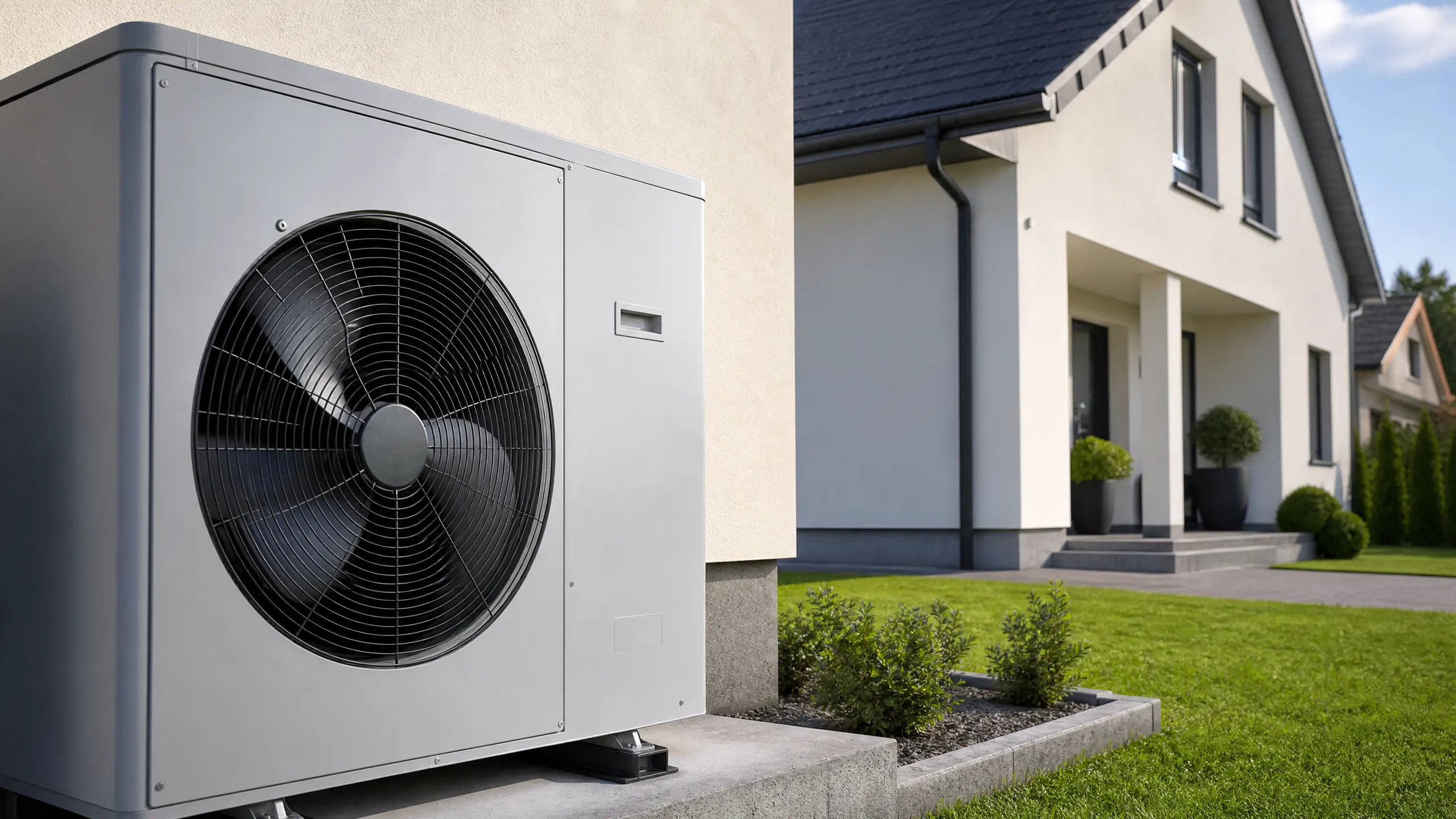
Albany needs heat from September through June, ten months a year. Winter nights average 32°F, right where frost forms fastest on the outdoor coil. That means long stretches where the unit is switching into defrost and back again, not just cycling on and off.
More than half of homes here heat with electricity, so when the heat pump falters, there is often no backup furnace to fall back on. That constant switching wears on the reversing valve and the defrost control board first. When one of those starts to go, you will notice the outdoor unit icing up and staying iced, or the system blowing cold air instead of warm on a cold day.
- 10 months
- September through June, your system heats
- 32°F
- the average winter night it heats against
- 75°F
- the average summer afternoon it cools against
Oregon requires HVAC contractors to hold a state license.
The Construction Contractors Board tests and records the contractor, not the individual job. That license is what stands behind whoever comes into your home to work on the heat pump. Oregon carves out an exception for small jobs. Work under $1,000 does not need a licensed contractor, though a heat pump repair can land on either side of that line depending on what it needs.
A heat pump repair often means opening the refrigerant side of the system. That requires EPA Section 608 certification no matter which state you live in. This certification is federal, not a state license. It says the person handling the refrigerant was trained to do it without venting it into the air or mishandling it. On this job, the state license covers the business and the federal certification covers the person doing the work.
Source: Oregon Legislative Assembly
- Why is my heat pump blowing cold air?
- In heating mode, the air from the vents is always cooler than a furnace would give you, even when the system is working right. A heat pump moves heat instead of burning fuel, so the air feels warm against your skin rather than hot. If the air feels cold rather than warm, or stays cold for more than a few minutes after the system kicks on, that points to low refrigerant or a problem with the reversing valve. Checking the refrigerant charge means opening the sealed system, so that part of the job needs a contractor with EPA 608 certification.
- Why is there ice on my heat pump?
- Some frost on the outdoor unit in winter is normal. Your heat pump runs a defrost cycle on its own, reversing briefly to melt frost off the coil, so light frost can come and go through the day. Thick ice that builds up and does not clear on its own usually means the defrost control has failed, the coil is dirty, or airflow around the unit is blocked. With winter nights here averaging 32°F, the outdoor coil works hard for months at a time, so ice that keeps building rather than melting off needs a contractor to look at it before the coil or compressor takes damage.
- Why is my heat pump running but not cooling?
- Check the air filter first. A clogged filter restricts airflow across the coil and can make a heat pump run without cooling the air much at all. Beyond that, low refrigerant, a failing compressor, or a blocked outdoor coil can keep it from cooling even while it runs. Checking the refrigerant level means opening the sealed system, which takes a contractor with EPA 608 certification.