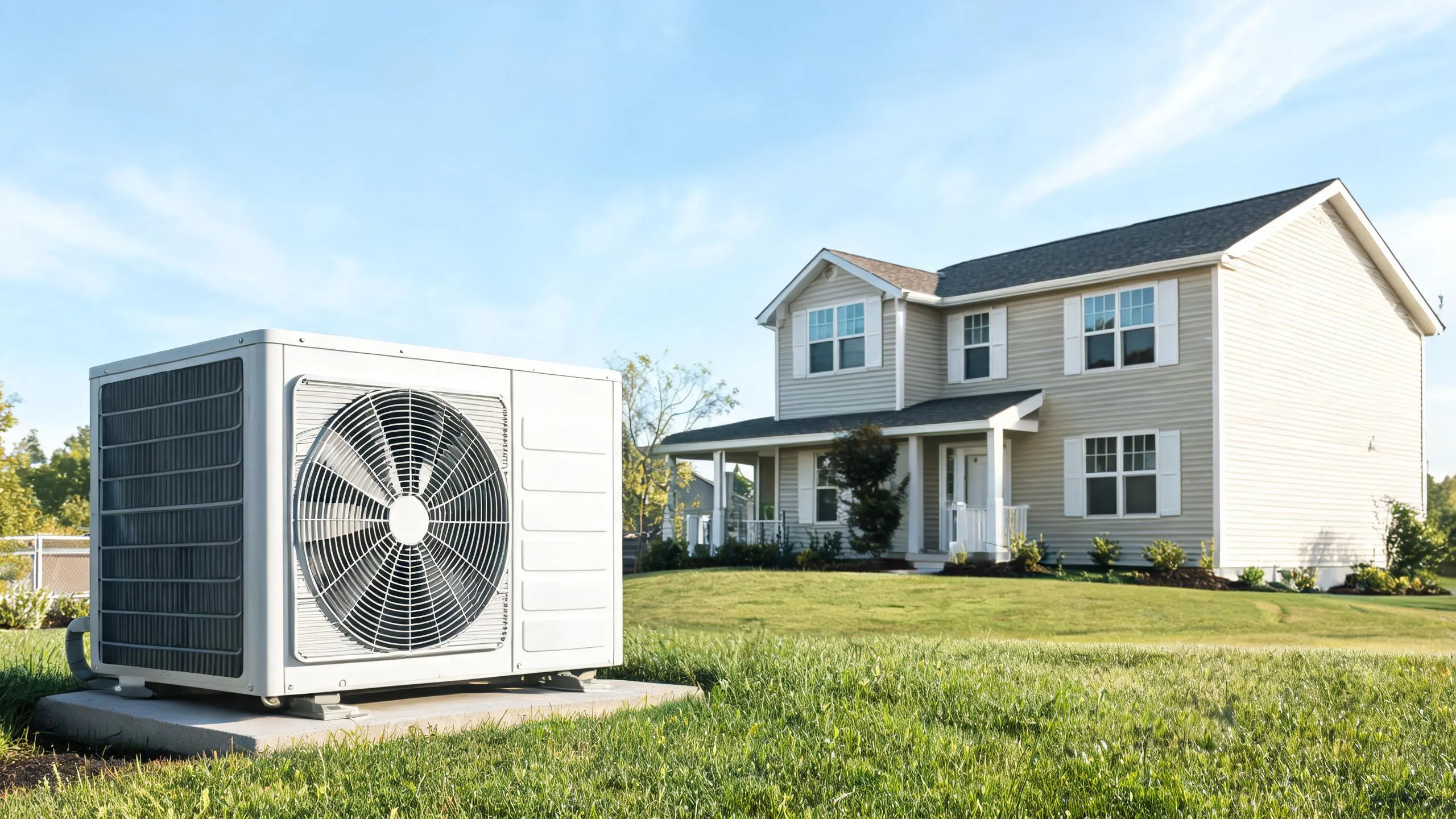
Heat Pump Repair in Salem, OR
If your system quits, tell us what it's doing and a licensed contractor who covers Marion County will get in touch.
Tell us about the job
It takes about a minute.
Ten months of runtime a year wears on a heat pump here
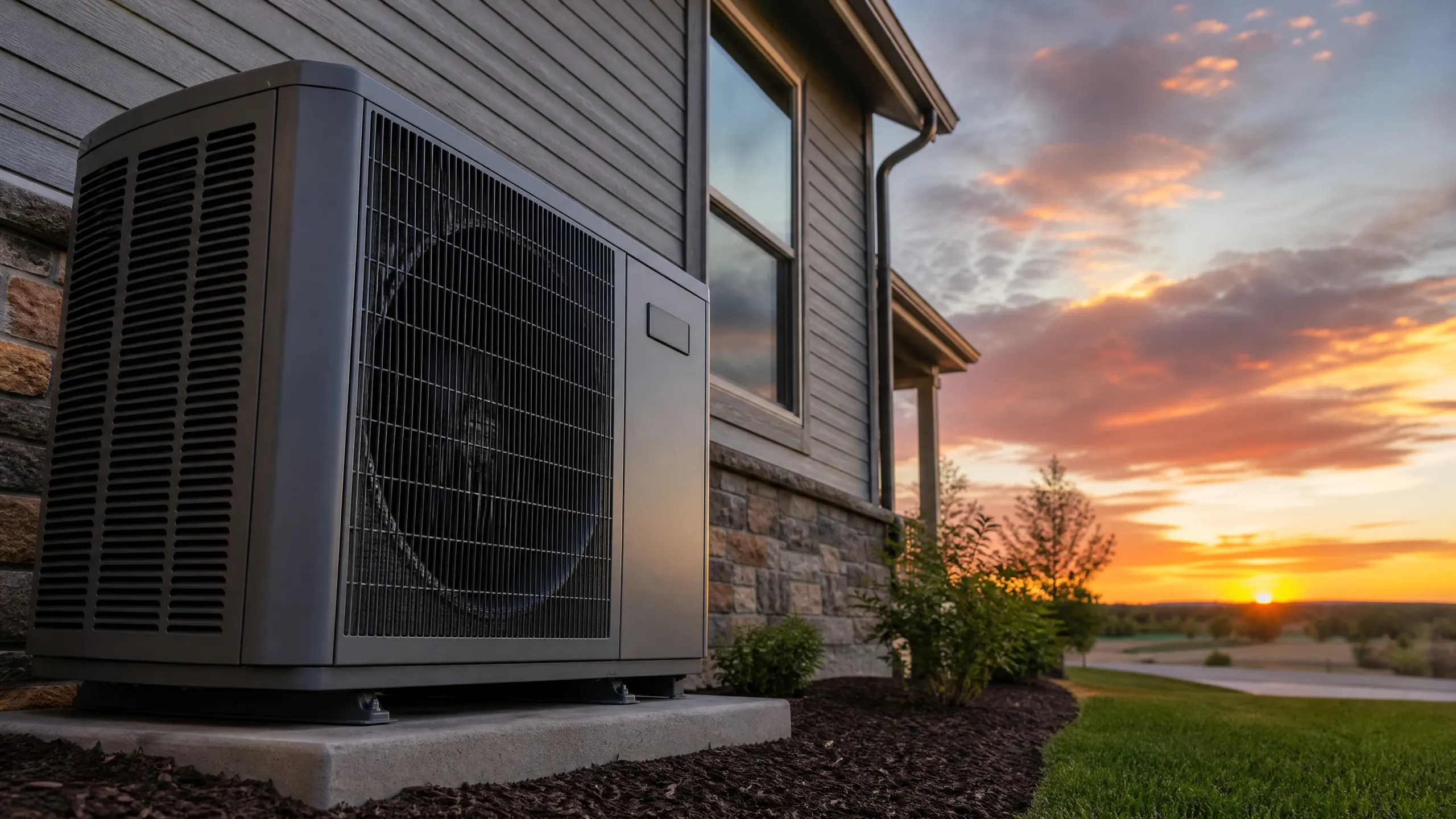
Your heat pump is the only thing keeping your house comfortable in Salem. It runs September through June, ten months a year, with no furnace or AC to share the load. That's ten months of near-daily cycling on the compressor and the reversing valve.
Winter nights averaging 33°F sit right in the range where a heat pump works hardest, cycling into defrost to keep the outdoor coil clear of frost. Over years, that repeated cycling is what wears out a defrost control board or a reversing valve. When one fails, you'll notice the outdoor unit icing over and staying iced, or the system blowing cold air when it should be heating.
Marion County has had 6 winter storms and 2 damaging wind events over the past ten years, and in Oregon, 20% of households went at least 24 hours without power in 2024. A heat pump that loses power and comes back on can trip a breaker or stall out on restart, especially if it was already working hard when the outage hit.
- 10 months
- September through June, your system heats
- 33°F
- the average winter night it heats against
- 76°F
- the average summer afternoon it cools against
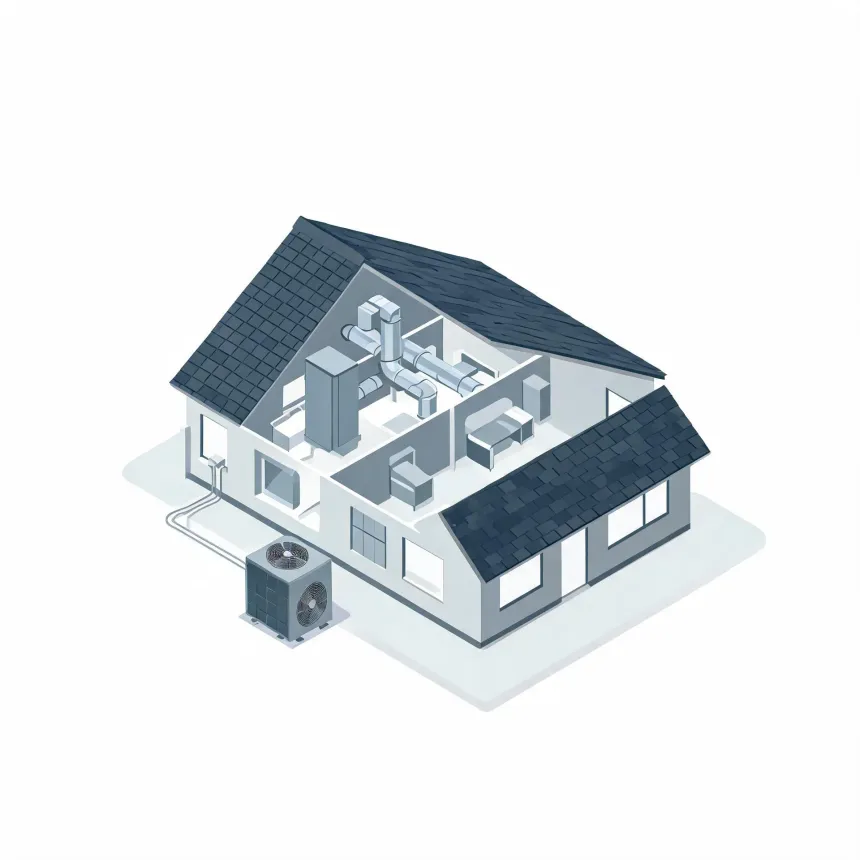
Oregon requires HVAC contractors to hold a state license.
The Construction Contractors Board licenses HVAC contractors in Oregon. That license belongs to the contractor, not to any single job. It covers this repair and every other job that contractor takes on. Oregon does carve out an exception for small work. If the job costs under $1,000, it does not need a licensed contractor at all.
A heat pump repair means opening the refrigerant side of the system, and that work needs EPA Section 608 certification no matter which state you're in. That certification is federal, separate from the Oregon license, and it covers a different thing. It is about handling refrigerant without releasing it into the air.
Source: Oregon Legislative Assembly
- Why is my heat pump blowing cold air?
- In winter, air from the vents feels cooler than your skin even when the system is working right, because it's still below body temperature. If the air feels cold rather than just cool, and the outdoor unit is caked in frost or ice, the system may be stuck in defrost mode or not switching back to heating. Check the thermostat is set to heat, not fan only. If it's set correctly and the air still isn't warming up, the reversing valve or the outdoor unit itself may need a look from a contractor.
- Why is there ice on my heat pump?
- Some frost on the outdoor unit in winter is normal. Heat pumps pull warmth from outside air, and when it's near freezing, moisture in the air collects on the coil and the unit runs a defrost cycle to clear it. With winter nights here averaging 33°F, that cycle runs often. A thin layer that melts off on its own isn't a problem. Thick ice that builds up and doesn't clear, or ice that forms in mild weather, points to a fan that isn't running, low refrigerant, or a defrost control that isn't switching over. That needs a contractor to check.
- Why is my heat pump running but not cooling?
- Homes here don't have a cooling season, so this usually shows up on a warm afternoon rather than as a summer complaint. First check the air filter and the outdoor unit for anything blocking airflow, leaves, debris, or a coil coated in dirt. If those are clear and the air still isn't cooling, the refrigerant charge or the compressor may be the issue. Only a technician holding EPA 608 certification can legally open the refrigerant side to check that.