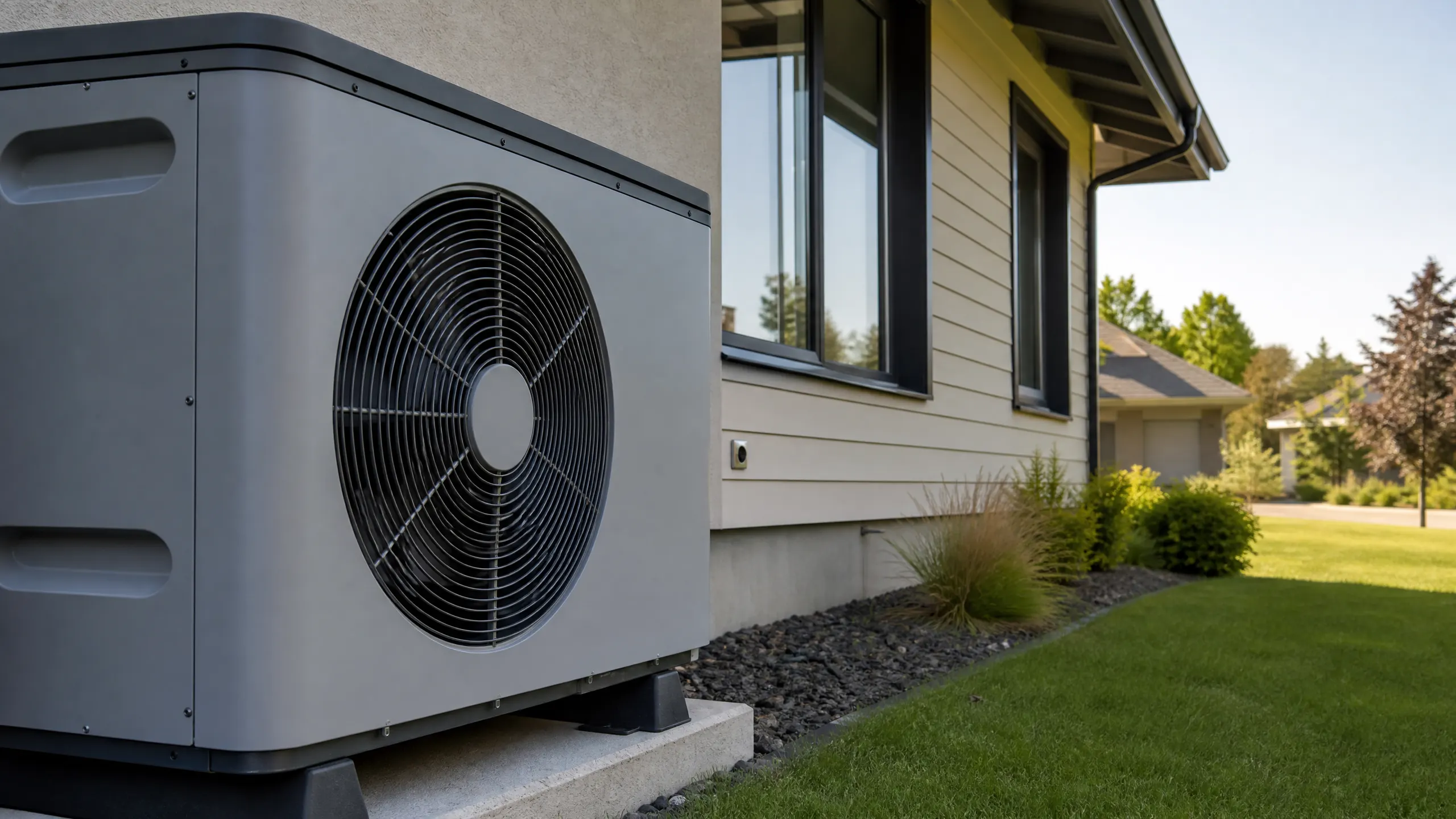
Heat Pump Installation in Salem, OR
Tell us about the house, and a licensed contractor who covers Marion County will get in touch.
Tell us about the job
It takes about a minute.
Salem asks a heat pump to run most of the year
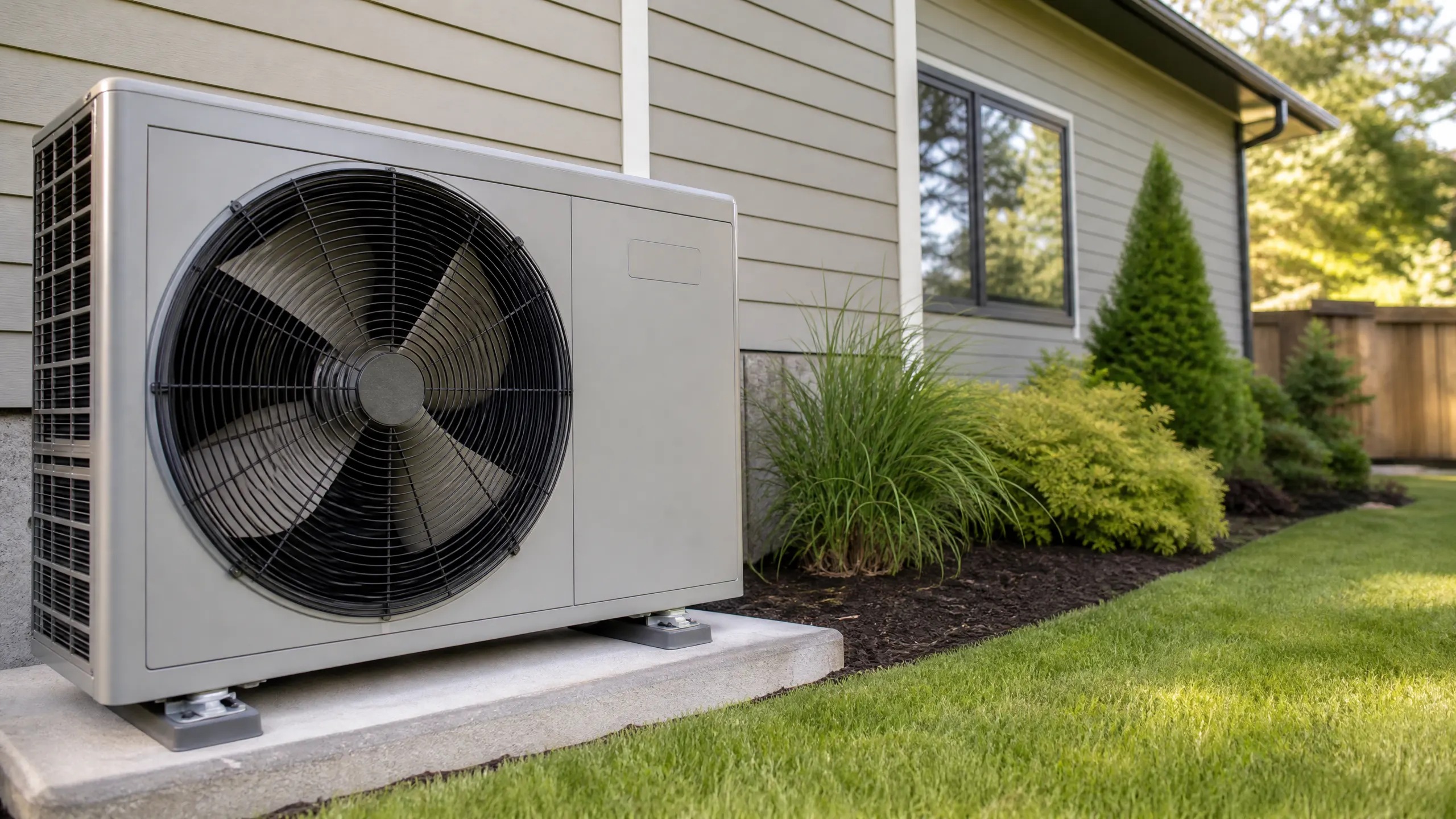
Your heat pump carries the load ten months of the year here, September through June. Winter nights average 33°F, mild enough that the heat pump can do the work itself most days without backup heat kicking in. Summer afternoons average just 76°F, so the same system spends far less time cooling than it does heating.
A new split-system heat pump has to meet federal minimums of 14.3 SEER2 and 7.5 HSPF2. With winters this mild and summers this short, the heating rating tells you more about how that unit will perform in Salem than the cooling rating does.
- 10 months
- September through June, your system heats
- 33°F
- the average winter night it heats against
- 76°F
- the average summer afternoon it cools against
Oregon requires HVAC contractors to hold a state license.
The Construction Contractors Board issues that license to the contractor as a business, not job by job, so it covers whoever you hire rather than this particular installation. Work under $1,000 is exempt, but a heat pump installation runs well past that, so the contractor doing this job needs to hold the license.
Most cities and counties also require a permit from the local building office for a heat pump installation, along with an inspection once the work is done. That inspection is what checks the installation itself was done right. It stands apart from the state license, which covers the contractor rather than this job.
Source: Oregon Legislative Assembly
- Is a heat pump better than a furnace?
- A heat pump does both jobs a furnace can't, it heats in winter and cools in summer, all from one system. A furnace only heats, and it burns gas or uses electric resistance to do it, which costs more to run than a heat pump moving heat instead of making it. With winter nights here averaging 33°F, a heat pump built for cold climates will keep up through the season. The right choice for a given house still depends on the ductwork and setup already there, which a contractor can look at.
- What's the difference between a heat pump and an air conditioner?
- An air conditioner only cools. A heat pump does the same cooling in summer, but it can also run in reverse and pull heat into the house in winter. Mechanically they share most of the same parts, the compressor, the coils, the refrigerant lines, which is why a heat pump can replace an air conditioner and take over the heating load too.
- Does a heat pump work in cold weather?
- Yes. Cold-climate heat pumps are built to keep pulling heat from outside air even when it's well below freezing. Winter nights here average 33°F, which is within the range these systems are designed for. Newer units also have to meet a federal minimum of 7.5 HSPF2, a rating that reflects real heating performance across a winter, not just mild days.