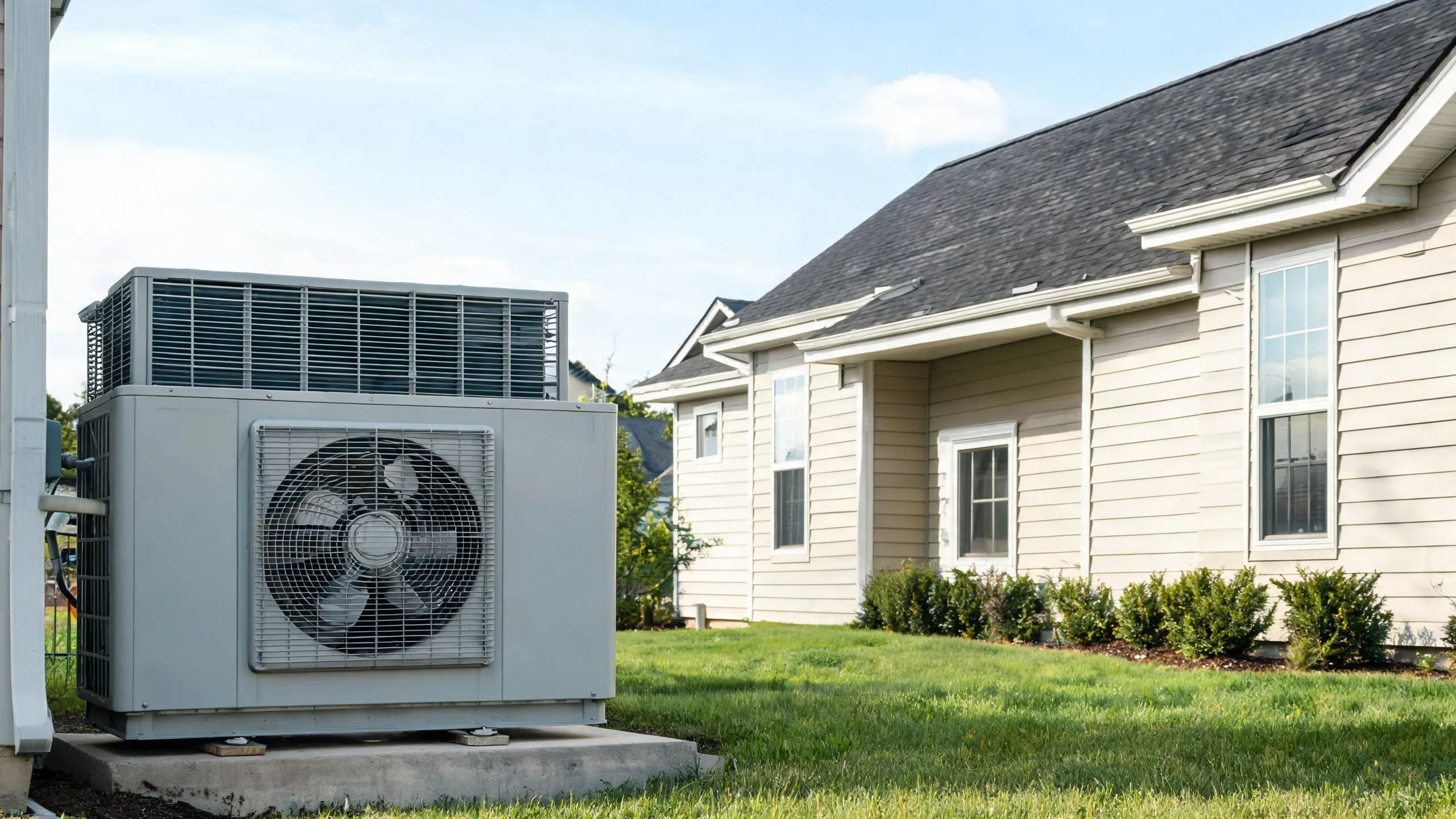
Heat Pump Installation in Eugene, OR
Tell us about the house, and a licensed contractor who covers Lane County will get in touch.
Tell us about the job
It takes about a minute.
Ten months of heat, barely any cooling
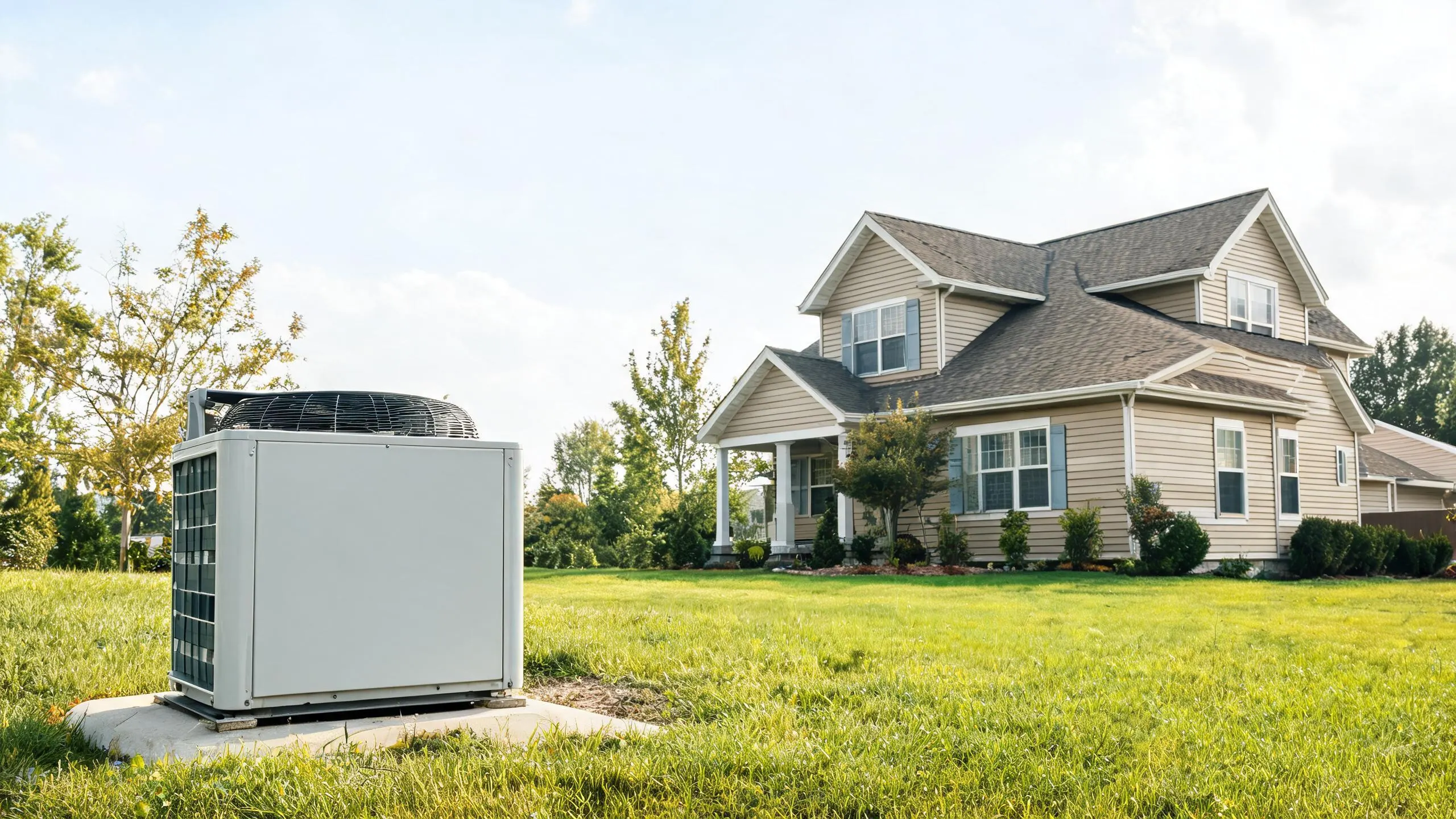
In Eugene, your heat pump spends most of the year heating, not cooling. Homes here need heat from September through June, 10 months a year, with winter nights averaging 33°F. Summer only asks for cooling on afternoons that average 75°F, which is mild.
That long heating season is what a new unit mostly has to answer for. A split-system heat pump installed now has to meet federal minimums of 14.3 SEER2 for cooling and 7.5 HSPF2 for heating, and the heating number is the one that matters most here. Power loss is also worth planning for. Lane County has seen 4 winter storms and 13 damaging wind events over the past ten years, and in 2024, 20% of Oregon households went at least 24 hours without power.
- 10 months
- September through June, your system heats
- 33°F
- the average winter night it heats against
- 75°F
- the average summer afternoon it cools against
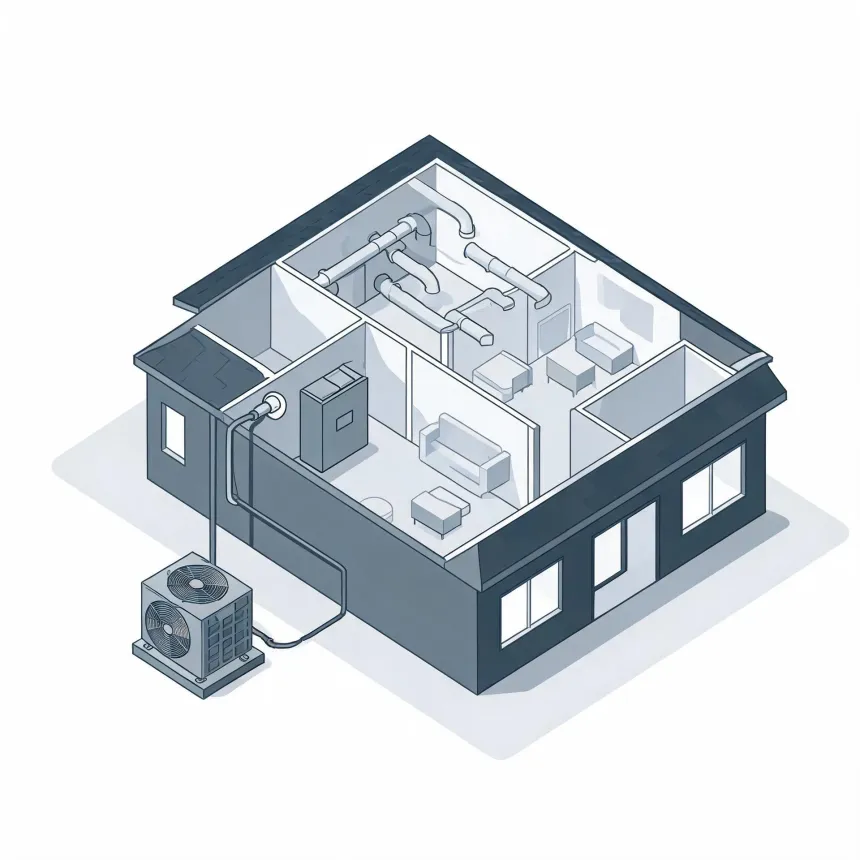
Oregon requires HVAC contractors to hold a state license.
The Construction Contractors Board licenses HVAC contractors in Oregon, and the license covers the contractor, not each job. Work under $1,000 is the one case where a licensed contractor is not required. A heat pump installation runs well past that.
Because Oregon licenses the contractor directly, that license is what stands behind this job. In most cities and counties, the installation also needs a permit from the local building office and an inspection once the work is done, which checks the installation itself rather than the contractor's standing.
Source: Oregon Legislative Assembly
- Is a heat pump better than a furnace?
- For most homes here, yes. A heat pump heats in winter and cools in summer, so it replaces both a furnace and an air conditioner. A furnace only burns fuel to make heat, so a house with a furnace still needs a separate air conditioner. Eugene homes need heat about ten months a year and cooling almost none, so the heating side of a heat pump is what matters most here, and it does that by moving heat rather than burning fuel to create it.
- What's the difference between a heat pump and an air conditioner?
- An air conditioner only moves heat out of your house. A heat pump does that same job in summer, then runs in reverse in winter and moves heat into your house instead. The two use the same kind of compressor and refrigerant cycle to do it. That reversing ability is the whole difference, and it's why a heat pump can take the place of both a furnace and an air conditioner.
- Does a heat pump work in cold weather?
- Yes. A heat pump pulls heat from outside air even when it's well below freezing. Winter nights in Eugene average 33°F, which is well within what a heat pump is built to handle. Its output does drop as the temperature falls, so on the coldest nights it may run longer or call on backup heat to keep the house warm.