
Furnace Installation in La Grande, OR
A new furnace here will run from September through June every year. Tell us about the house, and a licensed contractor who covers Union County will get in touch.
Tell us about the job
It takes about a minute.
Ten months of heat a year asks a lot of a furnace
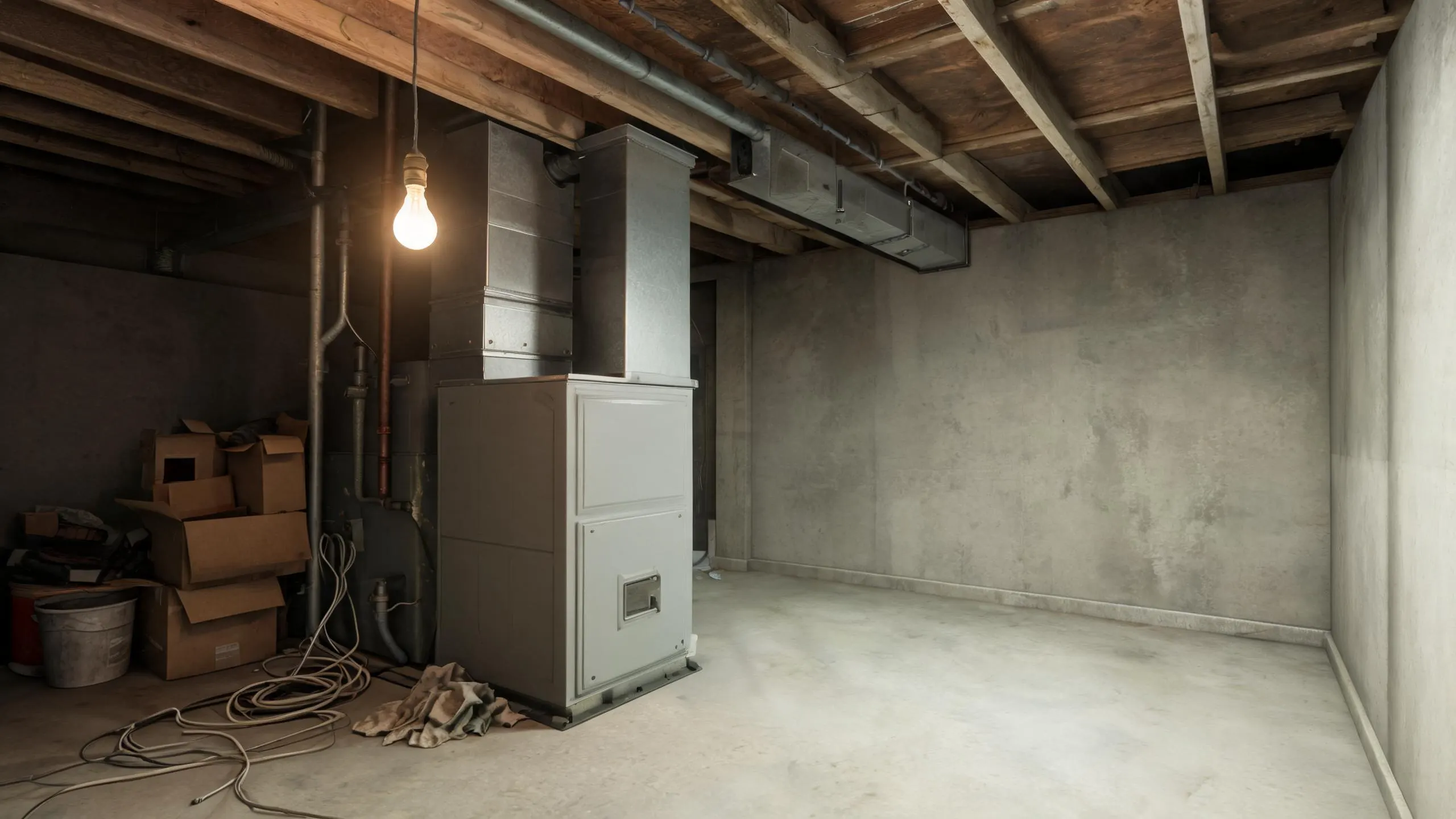
Union County homes need heat from September through June, ten months of the year. Winter nights average 23°F from December through February. A new furnace here isn't cycling on for a few cold snaps. It's running most of the year.
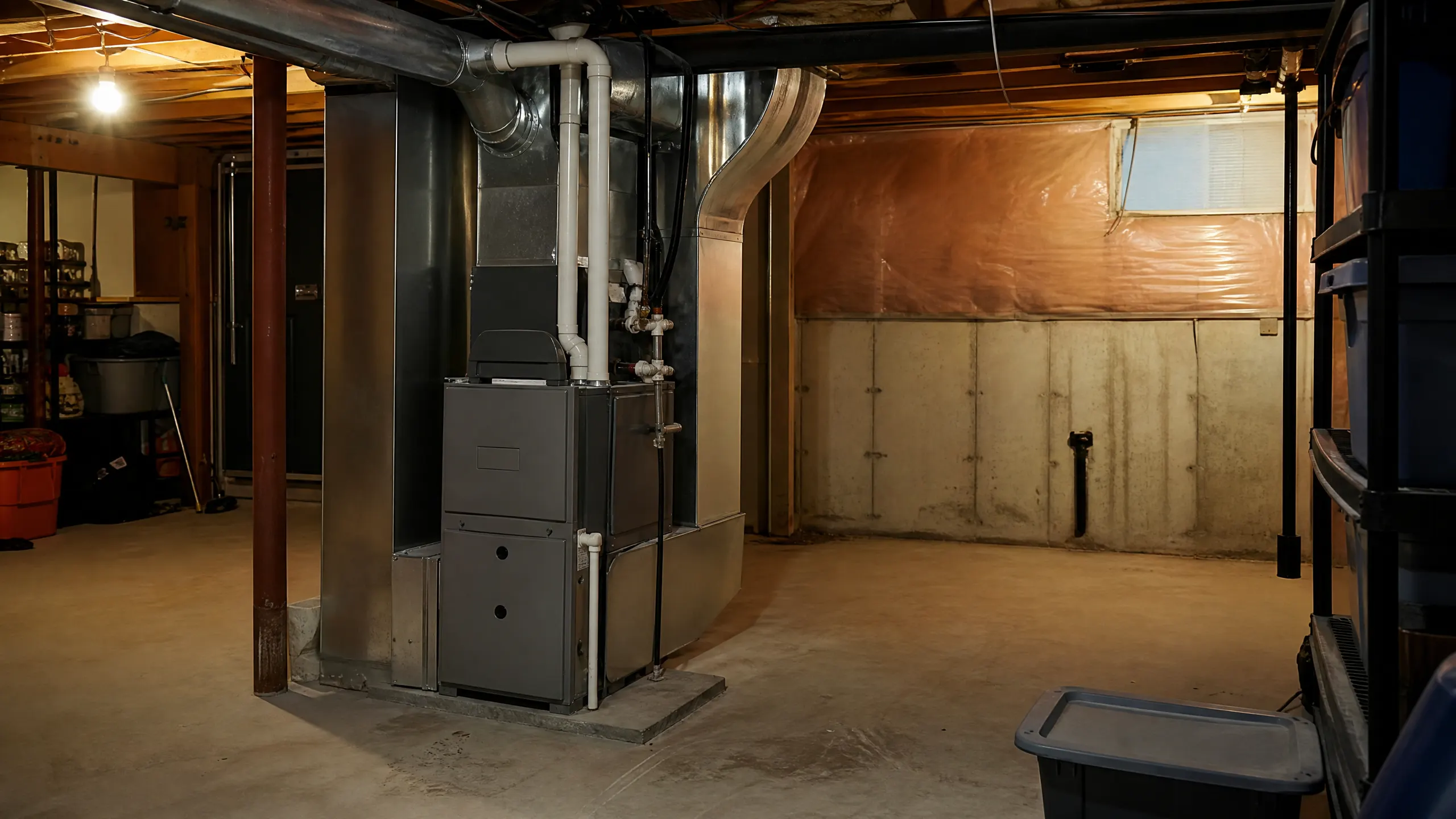
Any non-weatherized gas furnace built after November 2015 has to reach at least 80 percent AFUE, so that's the floor to expect on a new install, not a selling point. Power outages are worth planning around too. In Oregon, 20% of households went at least 24 hours without power in 2024, and the region has logged 110 winter storms and 18 damaging wind events over the past ten years. A furnace that starts back up on its own once power returns matters here.
- 10 months
- September through June, your furnace is on duty
- 23°F
- the average winter night it heats against
- 80% AFUE
- the federal minimum any new unit must meet
NOAA nClimDiv, 1991–2020 normals
A high-efficiency gas furnace would save about $150 a year to run in Union County compared with a gas furnace.
Estimates for a typical Union County home, from EIA household energy data, Oregon fuel prices and NOAA climate normals. Your home will differ.
Oregon requires HVAC contractors to hold a state license.
The Construction Contractors Board licenses the contractor, not the job. The license on file covers this company across every installation it does, not just yours. Oregon carves out one exception. Work under $1,000 doesn't need a licensed contractor. A furnace installation runs well past that, so this job falls under the license requirement.
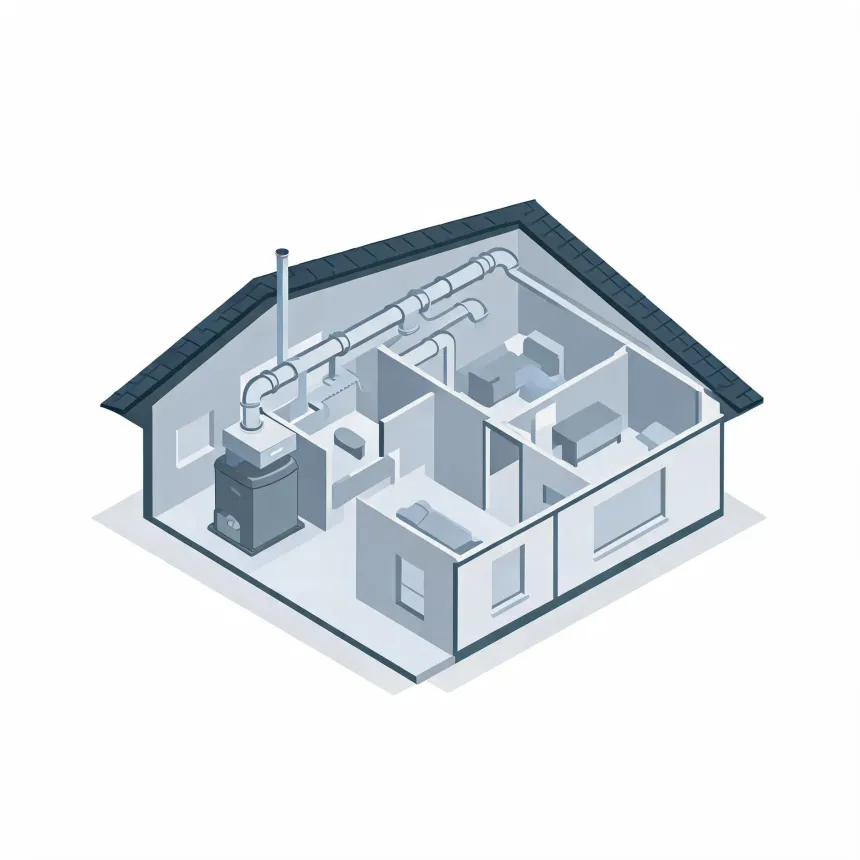
Because a furnace installation is licensed work here, that license is what stands behind the person doing it. Union County will also require a permit before the work starts and an inspection after it's done, the same as most places require for a furnace, air conditioner, heat pump or water heater. Gas is the part worth watching closest. A furnace connection that isn't sealed right is a leak, not just a bad install, and that's what the inspection is there to catch. In Union County, 44.3% of homes heat with gas.
Source: Oregon Legislative Assembly
- What size furnace does my house need?
- The right size comes from a load calculation, not a rule of thumb based on square footage. A contractor measures your insulation, your windows, your ceiling height, and how the place is laid out, then figures the heat loss room by room. Too big and the furnace short cycles, heating fast then shutting off before it evens out the house. Too small and it runs constantly through the cold months and still falls behind. With winter nights here averaging 23°F and heat needed from September through June, getting this number right matters more here than somewhere milder.
- How do I know it's time to replace my furnace?
- Watch for a furnace that struggles to keep up on the coldest nights, cycles on and off more than it used to, or needs a repair call every season. Rising gas bills without a clear reason are another sign it is not working as well as it should. If it is old enough that parts are getting hard to find, replacement starts to make more sense than another repair. Homes here need heat ten months a year, so a furnace on its way out gets more chances to fail than it would somewhere with a shorter heating season.
- Is a high-efficiency furnace worth it?
- Every non-weatherized gas furnace built since November 19, 2015 has to reach at least 80 percent AFUE, so the real question is whether to go above that baseline. A furnace rated higher than the minimum wastes less gas venting heat outside and keeps more of what you pay for inside the house. With 44.3 percent of homes in Union County heating with gas and heat needed from September through June, that difference gets used a lot here. A contractor can price out the options for your specific house so you can weigh the higher upfront cost against what you would save in gas over the years you keep it.