
HVAC Repair in La Grande, OR
If your system quits, tell us what it's doing and a licensed contractor who covers Union County will get in touch.
Tell us about the job
It takes about a minute.

Ten months of heating a year wears a furnace out
La Grande needs heat from September through June, ten months of the year the furnace is what keeps the house warm. On winter nights that average 23°F, it runs long and often to hold the temperature, and every start of the burner puts wear on the igniter and the parts that control it. After enough winters those are the parts that fail first.
Summer asks little in return. Afternoons average just 76°F, mild enough that many homes get by without much cooling at all. The bigger risk here is the power going out from a storm. Union County has logged 110 winter storms and 18 damaging wind events over the past ten years, and a furnace with electronic ignition will not run without power, storm or no storm.
- 10 months
- September through June, your system heats
- 23°F
- the average winter night it heats against
- 76°F
- the average summer afternoon it cools against
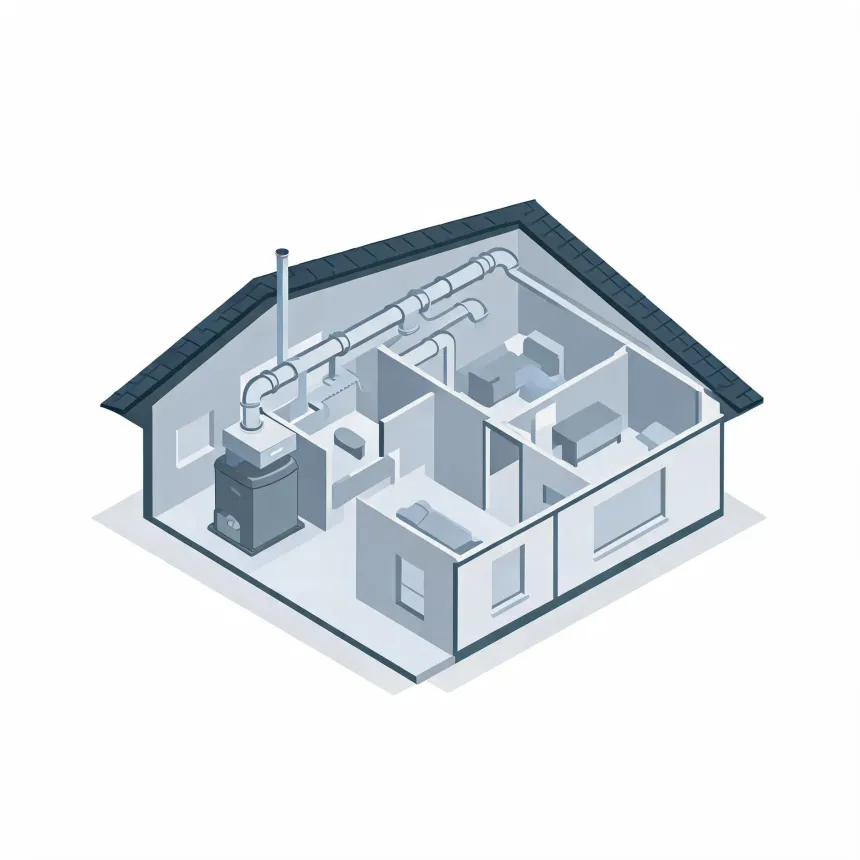
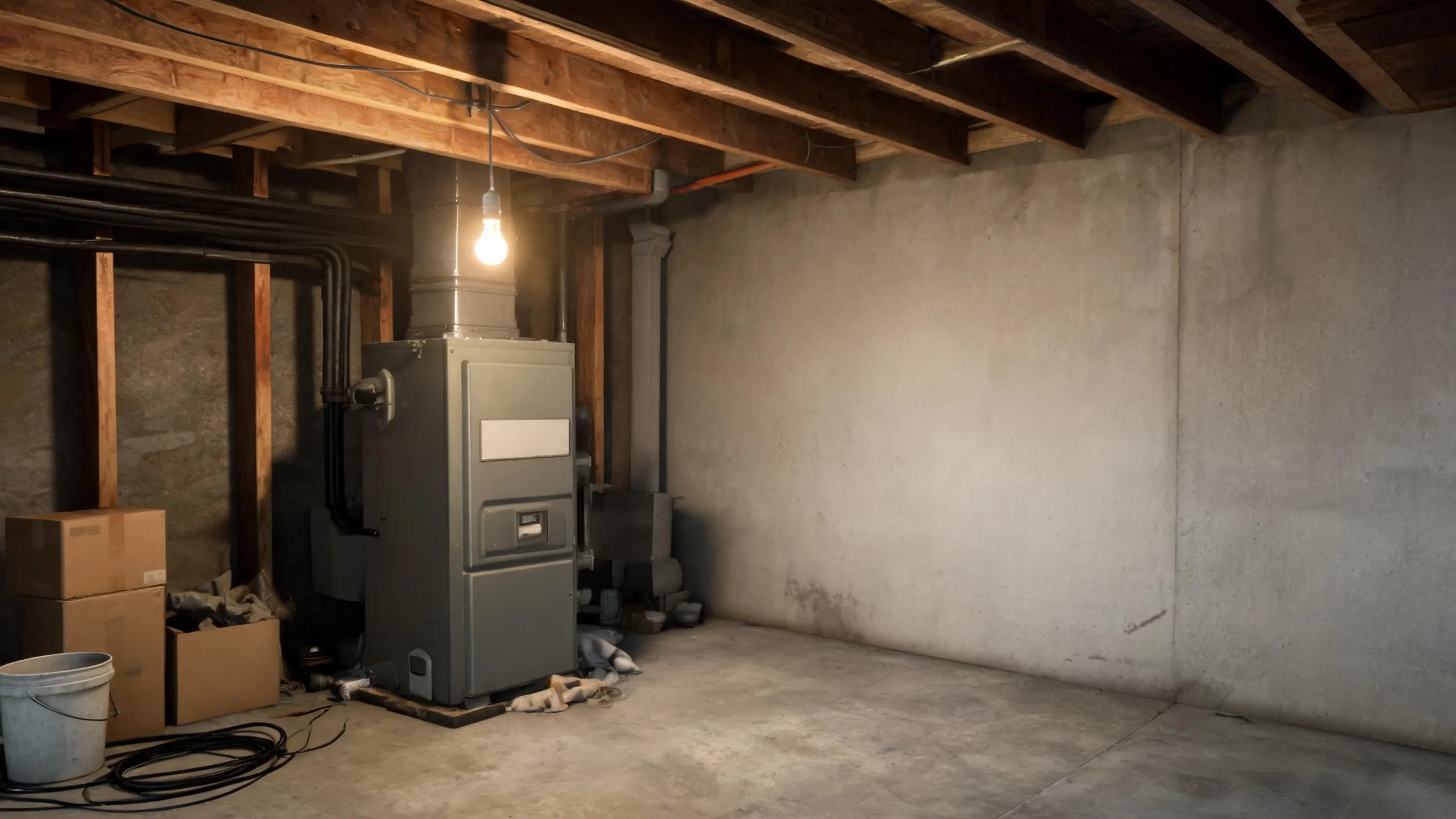
A new furnace and air conditioner would cut about $180 a year off heating and cooling for a typical Union County home.
Estimates for a typical Union County home, compared with an older unit built to the previous federal minimum, from EIA household energy data, Oregon fuel prices and NOAA climate normals. Your home will differ.
Repair makes sense when one part has failed.
Replacement makes sense when the furnace's heat exchanger is cracked, the air conditioner's compressor has failed, or repairs keep coming.
Oregon requires HVAC contractors to hold a state license.
The license is issued to the contractor, not to the job. The Construction Contractors Board is the body that tests and records the contractor, so the credential follows the business, not each visit to a home. Work under $1,000 falls outside this requirement, so a small repair may not need to go through a licensed contractor at all.
For a repair on a heating and cooling system, the license is what stands behind the work being done correctly, since Oregon requires it for this kind of job. If the repair falls under $1,000, that protection does not apply, and the work can be done without a state-tested contractor on the account.
Source: Oregon Legislative Assembly
- Why is my heat not working?
- Start with the thermostat and the power to the furnace. If the thermostat screen is blank, check the breaker, and check any switch that looks like a light switch near the furnace itself, since that cuts power to it too. A furnace that's getting power but won't fire may have a dirty flame sensor or a failed igniter, and either one calls for a contractor to open it up. With winter lows here averaging 23°F, a furnace that won't start isn't something to leave for later.
- Why is my system running but not cooling the house?
- If air is moving but it's not cold, check the air filter first. A filter clogged with dust chokes airflow across the coil, and the coil can ice over as a result, which makes the problem worse the longer it runs. If the filter is clean and the air still isn't cold, the system may be low on refrigerant, and that's a leak a contractor needs to find and fix, not just top off.
- What can I check before calling for HVAC repair?
- Check the thermostat batteries and settings, the breaker, and the air filter. A filter that's packed with dust will choke airflow and can make a working system act like a broken one. Check that any shutoff switch near the furnace or outdoor unit hasn't been bumped off. If all of that checks out and the problem is still there, a licensed contractor can look at it and price the job for your house.