
Furnace Installation in Hermiston, OR
A new furnace here will run from September through June every year. Tell us about the house, and a licensed contractor who covers Umatilla County will get in touch.
Tell us about the job
It takes about a minute.
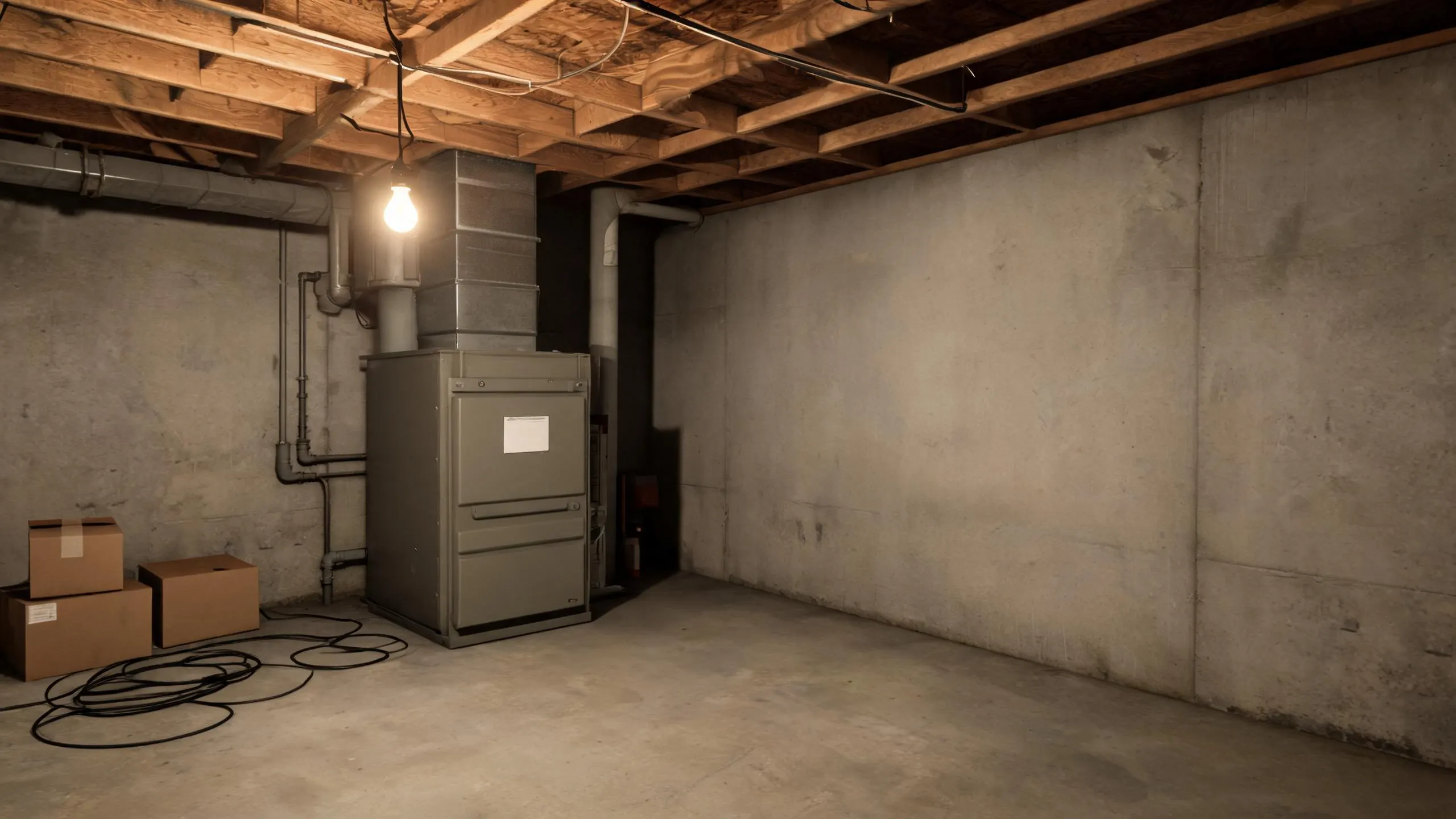
Ten months of heating a year, and the power doesn't always stay on
Homes in Umatilla County need heat from September through June. That's ten months of the year. Winter nights average 27°F from December through February, so whatever furnace goes in has to carry most of the year, not just a few cold weeks.
Most homes here heat with electricity, and the power doesn't always hold up. Oregon saw 20% of households lose power for 24 hours or more in 2024, and this area has logged 90 winter storms and 77 damaging wind events over the past ten years. A gas furnace is worth weighing against that record. Any non-weatherized gas furnace built since November 2015 has to reach at least 80% AFUE by federal rule, so that efficiency comes standard no matter who installs it.
- 10 months
- September through June, your furnace is on duty
- 27°F
- the average winter night it heats against
- 80% AFUE
- the federal minimum any new unit must meet
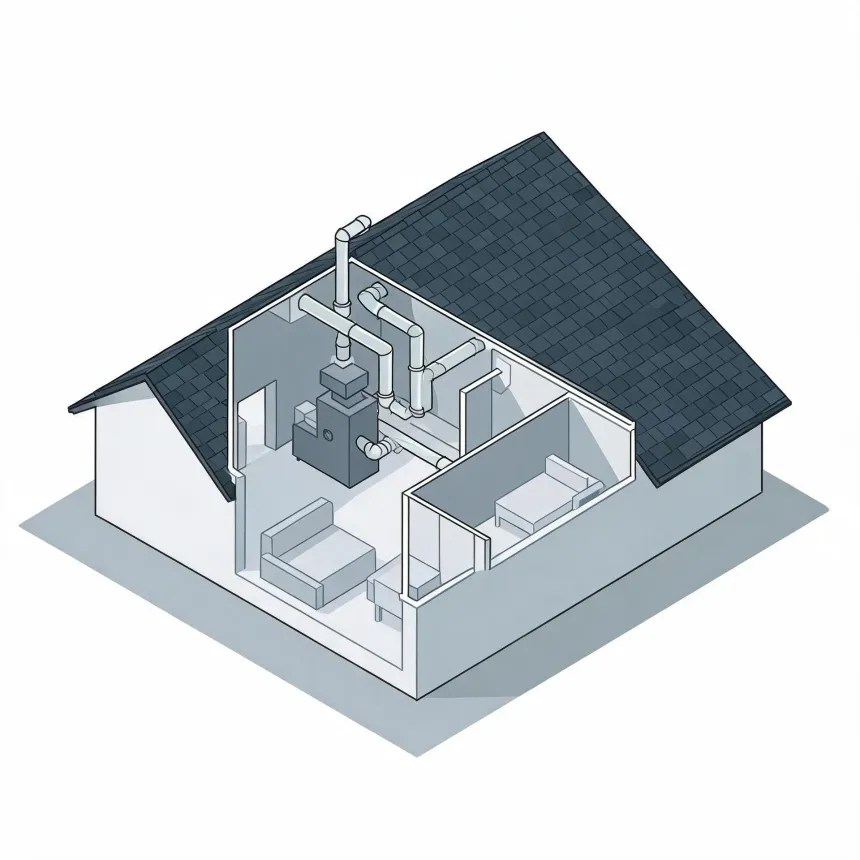
NOAA nClimDiv, 1991–2020 normals
Oregon requires HVAC contractors to hold a state license.
The license is held by the contractor's business, not issued job by job, and Oregon's Construction Contractors Board keeps the record of who holds one. Work under $1,000 falls outside that requirement, but a furnace installation runs well past that line, so the contractor doing this job needs to hold the license.
The license tells you the state has that contractor on record. It does not stand in for the permit this job needs. In most cities and counties, replacing a furnace requires a permit from the local building office, and the completed work gets an inspection before it is signed off. That inspection is what checks the gas connections and venting, the part of the job where a mistake actually matters.
Source: Oregon Legislative Assembly
- What size furnace does my house need?
- There is no single answer without doing the math, and guessing wrong in either direction costs you comfort or money for years. A contractor works this out with a load calculation, which weighs your square footage against your insulation, your windows, your ceiling height, and how much of the year you're heating. That last part matters more here than in most places, since homes in Hermiston need heat from September through June. A furnace sized for a milder climate will run constantly and still fall behind on the coldest nights, when lows average 27°F.
- How do I know it's time to replace my furnace?
- Watch for uneven heat between rooms, a furnace that runs longer than it used to, or repairs that keep coming back. Age matters too. Furnaces built after November 2015 have to hit at least 80 percent AFUE, so if yours predates that, it's likely burning more gas than a new one would to make the same heat. With heat needed most of the year here, a furnace that's struggling has ten months to prove it. If yours is short-cycling, making noises it didn't used to, or the pilot or igniter keeps failing, get a contractor to look at it before you're deciding in the middle of a cold night.
- Is a high-efficiency furnace worth it?
- It depends on how long you plan to stay in the house and what your furnace is doing now, and a contractor can lay out the real numbers for your situation. What's true everywhere is that a higher AFUE rating means less fuel burned for the same heat, and that adds up faster in a place where the furnace runs nearly year-round. Sixty percent of homes here heat with electricity rather than gas, so whether efficiency gains apply to you depends on which fuel your furnace uses. Ask the contractor to walk through what a higher-efficiency model would mean for your specific furnace and home before you decide.