
Dryer Vent Cleaning in Hermiston, OR
Tell us about your home, and a licensed contractor who covers Umatilla County will get in touch.
Tell us about the job
It takes about a minute.

Cold vents catch more lint
Your dryer pushes out warm, damp air, and in Hermiston that air is hitting a vent run through a cold house for most of the year. Winter nights average 27°F from December through February, and the length of the season, heat is needed September through June, means that vent is cold far more than it's warm. Warm air meets cold metal and the moisture in it condenses on the walls of the duct. Lint sticks to that damp surface instead of blowing straight through to the outside.
Over time that buildup narrows the vent. Less air moves, so your dryer runs longer to dry the same load, and the exhaust that should be leaving the house lingers in the duct instead.
- 27°F
- the average winter night, and cold vents catch damp lint
- 10 months
- September through June, the vent stays cold
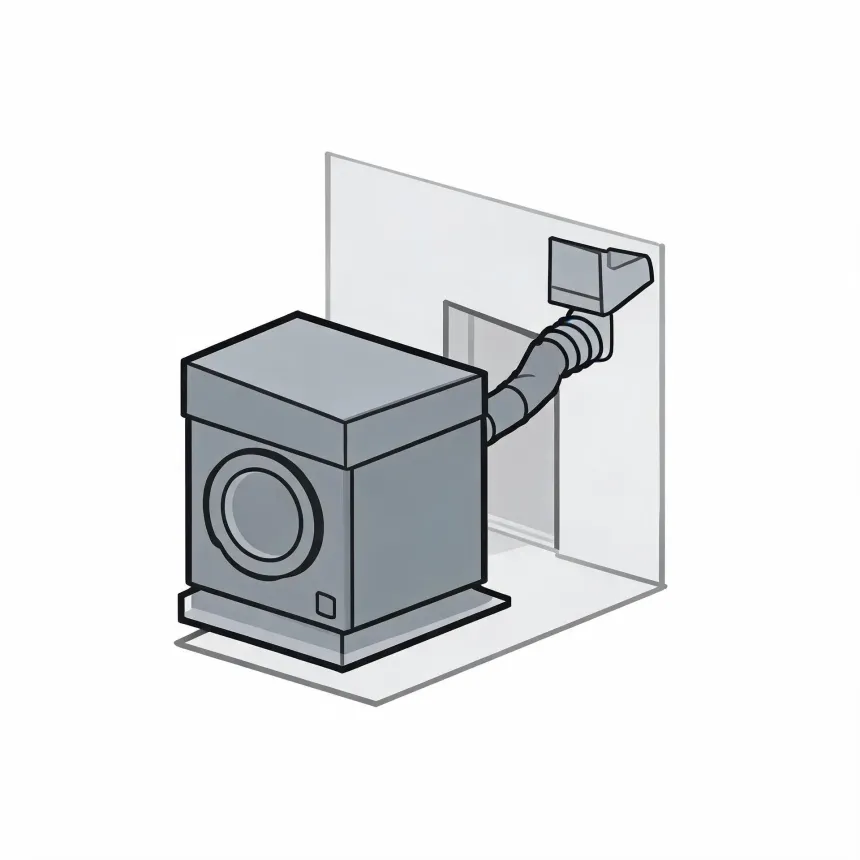
NOAA nClimDiv, 1991–2020 normals
- How often should a dryer vent be cleaned?
- Once a year is the general rule. Lint builds up along the vent run and narrows the path air needs to escape. A vent that runs longer than the usual straight shot to the outside, or one with several bends, tends to catch more lint and may need a look sooner.
- Can I clean my dryer vent myself?
- You can clean the lint trap and the first few feet behind the dryer yourself. A vacuum and a long brush kit reach a short, straight run without much trouble. Once the vent has bends in it or runs any real distance to the outside wall, a brush from one end alone will not clear it, and a contractor with the right length of rod and a camera can confirm the whole run is open, not just the part you can reach.
- What are the signs of a clogged dryer vent?
- Clothes that take longer than usual to dry, or come out hot to the touch at the end of a cycle, are the clearest sign. Check the outside vent hood too. If you feel little or no air coming out while the dryer runs, lint is blocking the path somewhere along the line. A burning smell or a dryer that shuts off partway through a cycle means the same thing and should not wait.