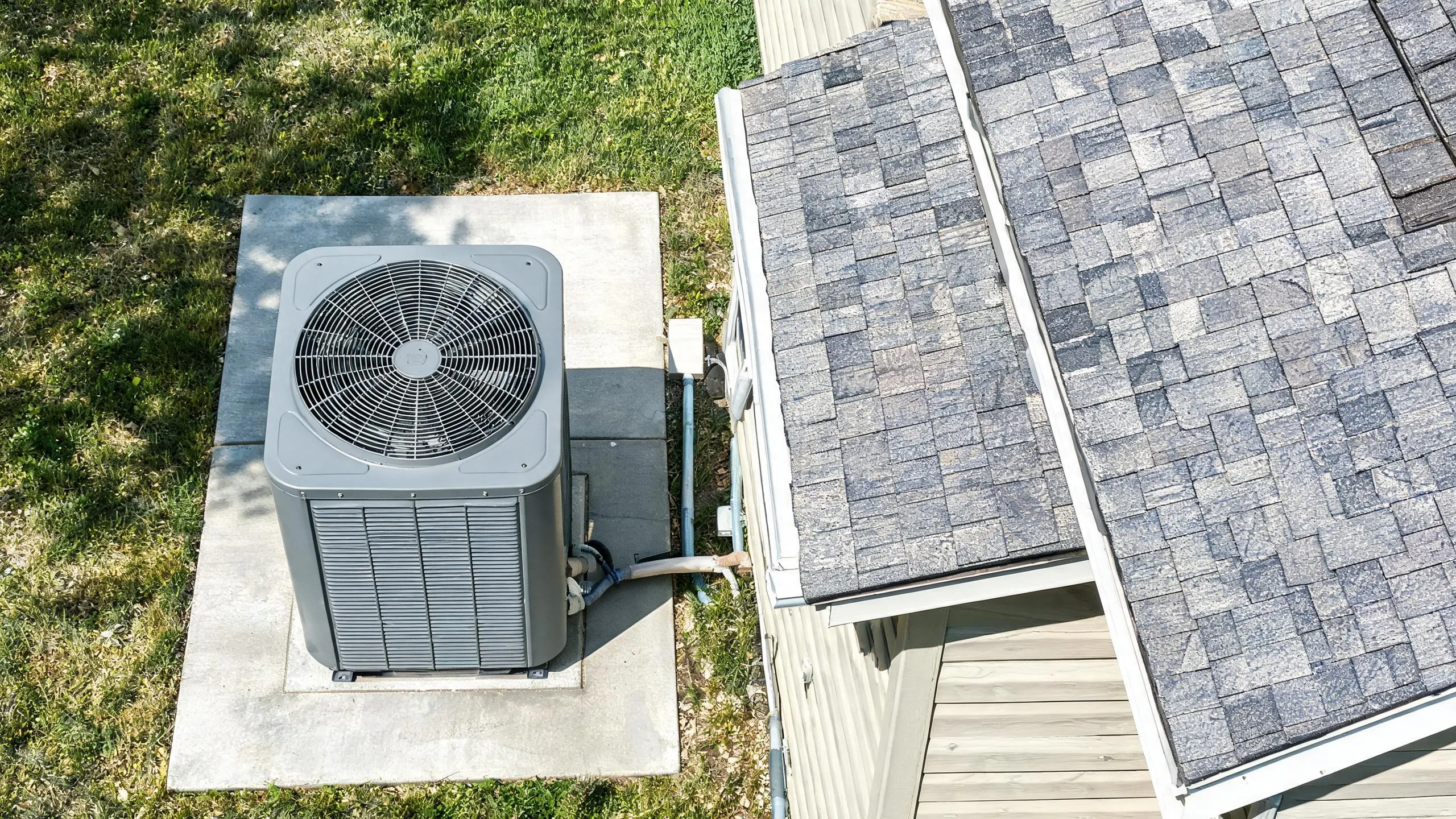
HVAC Repair in Newport, OR
If your system quits, tell us what it's doing and a licensed contractor who covers Lincoln County will get in touch.
Tell us about the job
It takes about a minute.

Ten months of heat a year, almost no rest for your furnace
In Newport your furnace is the machine doing the work nearly all year. Heat runs from September through June, and on winter nights that average 37°F it cycles on and off for hours at a time. That kind of steady use wears on the igniter and the blower motor before either one is old.
Most homes here heat with electricity, so when the power goes, the heat goes with it. Lincoln County has seen 8 damaging wind events over the past ten years, and across Oregon, 20% of households went at least 24 hours without power in 2024. A furnace that was already struggling does not always start up clean once the power comes back. Summers stay mild enough that cooling barely comes into it, so it is the furnace that carries this house.
- 10 months
- September through June, your system heats
- 37°F
- the average winter night it heats against
- 72°F
- the average summer afternoon it cools against
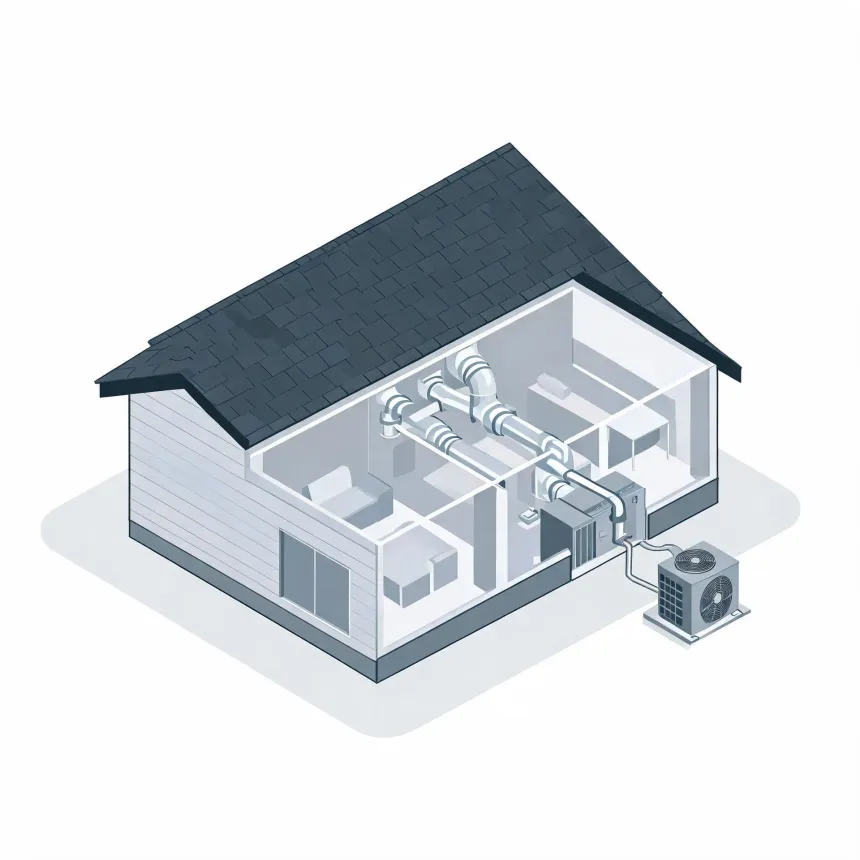
Oregon requires HVAC contractors to hold a state license.
Oregon licenses HVAC contractors through the Construction Contractors Board. That license belongs to the contractor, not to any single job, so it covers them across the work they take on rather than getting reissued each time.
For a heating and cooling repair, that license is what stands behind the contractor working on your system. Oregon makes one exception worth knowing. Work under $1,000 does not need a licensed contractor at all.
Source: Oregon Legislative Assembly
- Why is my heat not working?
- Start with the thermostat. Make sure it is set to heat and set a few degrees above room temperature, and check that it has power if it runs on batteries. If the thermostat looks fine, check your breaker panel for a tripped breaker, since furnaces and heat pumps run on electricity even when the main fuel is gas. A furnace that keeps shutting off shortly after starting often has a dirty flame sensor or a blocked vent, and either one needs a contractor to clear. With winter nights here averaging 37°F, a heating failure is worth getting looked at quickly rather than waiting it out.
- Why is my system running but not cooling the house?
- Check the air filter first. A filter clogged with dust blocks airflow across the coil, and the system can end up running constantly while barely cooling. Next, check outside at the condenser unit and clear away any leaves, grass clippings or debris packed against it, since it needs open airflow to move heat outside. If the filter is clean and the outdoor unit is clear but the air coming from the vents still is not cold, the system likely has a refrigerant leak or a failing component, and that calls for a contractor with gauges to diagnose it.
- What can I check before calling for HVAC repair?
- Check the thermostat settings and batteries first, since a thermostat set wrong or dead looks exactly like a bigger failure. Check the breaker panel for a tripped breaker and reset it once if it has tripped. Check the air filter and replace it if it is visibly dirty, since restricted airflow causes problems in both heating and cooling equipment. If you have a gas furnace, check whether the pilot light or igniter is lit, and if it is a heat pump or central AC, check that the outdoor unit is not blocked by debris or snow. If the system still is not working after these checks, a contractor will need to diagnose it and can price the job once they see what it needs.