How often to clean a dryer vent in Oregon

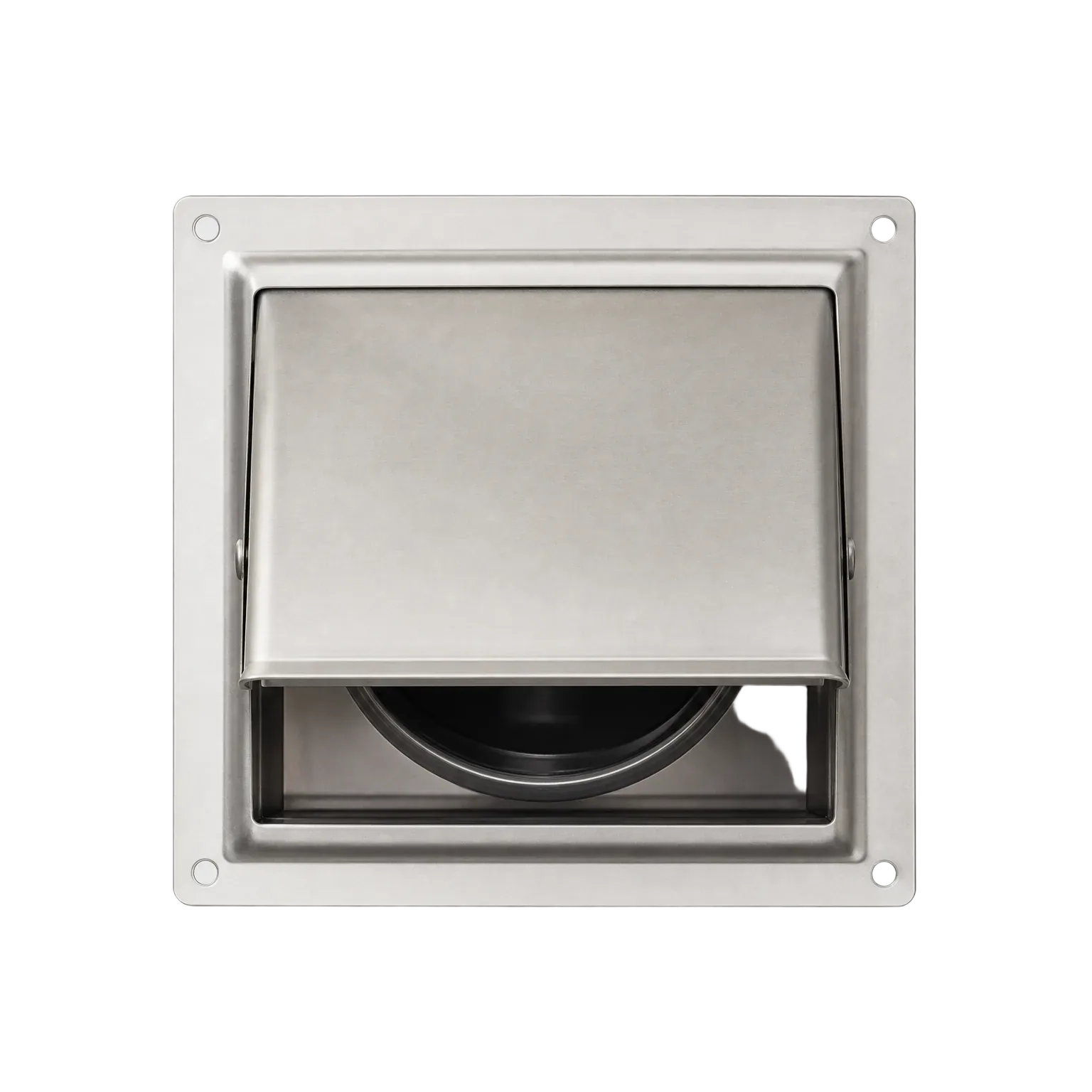
A square stainless steel wall vent with four corner screw holes and a hinged flap cover, partly open to reveal a dark circular duct opening, shown against a plain light gray background.
Connect with a pro

Clean your dryer vent once a year. That's the general rule, and it holds up fine in Oregon whether you're running loads year round or just heavier in winter when everything's drying indoors. Lint builds up inside the duct every time you run a load, and it doesn't matter if your dryer is gas or electric: the vent still needs a clear path to push air outside. A vent that's partly blocked makes the dryer run longer to dry the same load, which means more wear on the heating element and more electricity used per load, worth noting since electric dryers and electric heat are both common here. If you dry a lot of laundry, say for a bigger household, or your vent run is long or has several bends, check it closer to every six months instead of waiting the full year. A dryer that's taking noticeably longer to dry clothes than it used to is telling you the vent needs attention now, not at the next scheduled cleaning.

A woman wrapped in a chunky knit blanket sits in an armchair with an open book on her lap, beside a lit table lamp and a window with frost and snow outside.
An older woman with grey-blonde hair in an updo and a beige turtleneck sweater smiles while looking to the side in a warmly lit kitchen, with a round loaf of bread on the counter in front of her and a dark window showing snow outside.

Every load pushes a little more lint through the duct, and it doesn't build up evenly. The bends and elbows catch it first, long before a straight run would show any trouble. You can usually tell something's wrong before you ever look at the duct itself. If clothes are taking longer to dry, or the dryer feels hot but the work isn't getting done, air is fighting its way through somewhere behind the machine. Step outside while it's running and check the hood. The flap should lift while the dryer runs and drop shut when it's done. If it barely moves, air isn't making it through. Electric dryers, which is most of what's running in Oregon homes, don't carry the fire risk a gas dryer does, but a blocked vent still means the motor and heating element are working harder than they should every single cycle. The duct material matters too. Rigid metal sheds lint better than flexible foil or plastic, which sags and gives lint somewhere to settle. A real cleaning covers that whole path, not just the trap you pull out after every load.

What's actually happening inside the duct

  • Lint collects fastest at the elbows and bends in the duct, not in the straight runs.
  • A dryer that still feels hot to the touch after a cycle but takes longer to dry is pushing air against resistance somewhere in the vent.
  • The outside hood flap should swing open when the dryer runs and close on its own when it stops.
  • Electric dryers don't carry the fire risk of gas ones, but a blocked vent still forces the motor and heating element to work harder.
  • Rigid metal duct holds up to lint buildup better than the flexible foil or plastic kind, which sags and traps it.
  • A vent cleaning clears the full run from the back of the dryer to the outside hood, not just the trap you empty after every load.
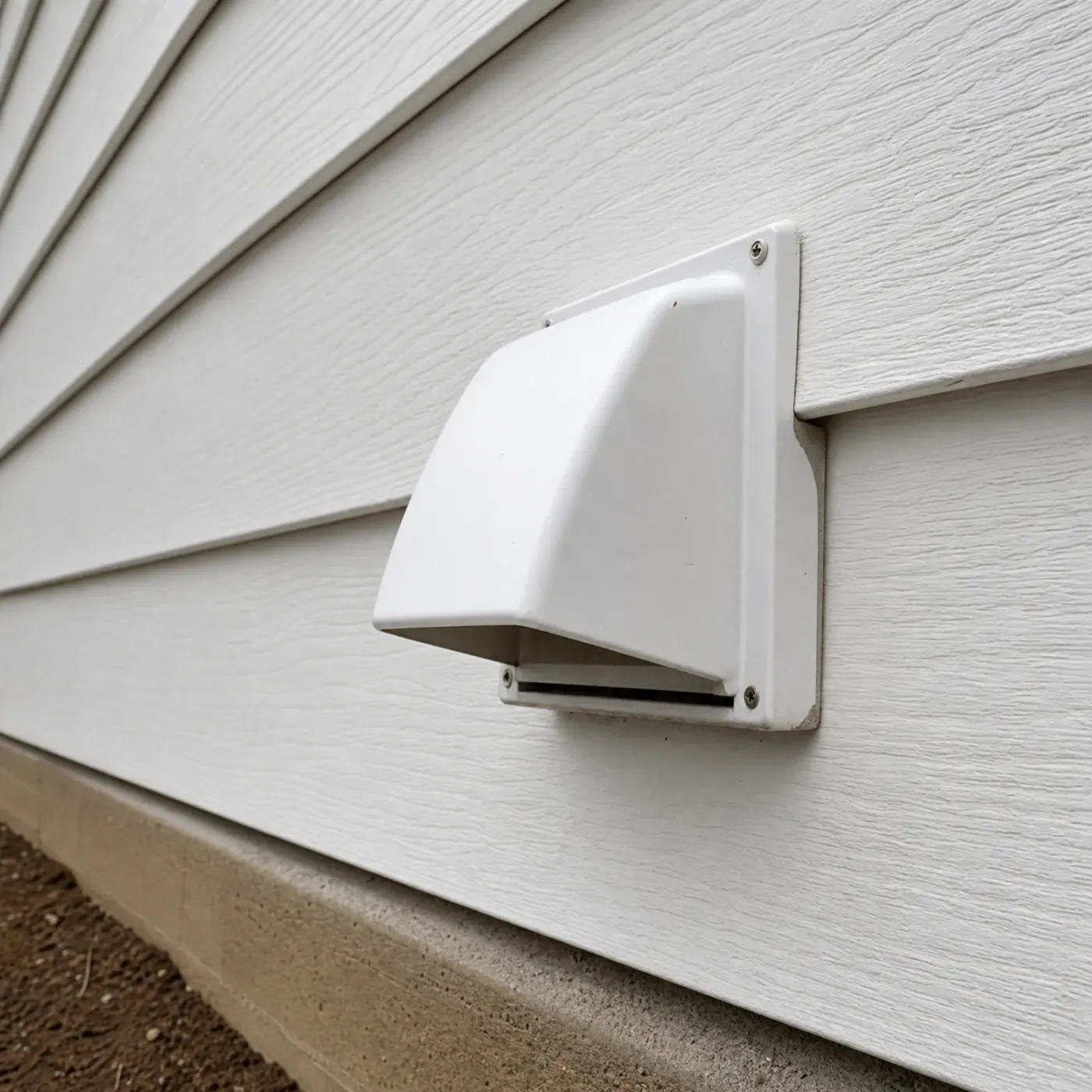
A white hooded dryer vent cover mounted on beige horizontal vinyl siding above a concrete foundation wall with gravel at the base.
A clean vent swings the flap open and lets the hood breathe, pushing air straight out with nothing to slow it down.
A square plastic dryer vent hood mounted on light-colored horizontal lap siding above a concrete foundation, with gray lint clogging its screened opening.
Lint packed into the hood like this cuts the airflow down to a trickle and keeps the moisture from ever really leaving.

What a Dirty Vent Costs You

  • A clogged vent makes the dryer run two or three cycles for a load that should take one, and that shows up on your power bill.
  • Electric dryers already draw a lot of current, so a restricted vent means the heating element stays on longer to finish the same load.
  • Lint trapped in the duct is the most common cause of dryer fires in homes, and the risk rises every month the vent goes uncleaned.
  • A dryer working against a blocked vent runs hotter than it should, which wears out the heating element and the drum bearings faster.
  • Clothes coming out damp or hot to the touch after a full cycle usually means lint has built up somewhere between the dryer and the hood.
  • Skipping the yearly cleaning means lint keeps layering on top of itself, so the next cleaning takes longer and costs more to clear out.

A blocked dryer vent doesn't announce itself. It shows up first as a load that used to take forty minutes now taking an hour and a half, and you probably blame the dryer before you think about the vent. In Oregon, where most homes heat with electricity, that extra runtime adds directly to a power bill that's already carrying the heating load most of the year. The dryer itself pays a price too. An electric heating element is built to run for one cycle, not three, and the extra hours add up across the drum bearings and the element both. There's a safety side to this as well. Lint is dry, fine, and it collects right where the duct bends, which is exactly where it's hardest to see. Left alone, it keeps building on itself load after load, and a vent that would have taken a quick pass to clear out a year ago turns into a longer job once enough lint has packed in. None of this requires anything unusual about your house. It's just what happens when a duct made to carry air starts carrying air and lint instead, and nobody's looked at it in a while. The fix doesn't change based on how bad it's gotten. It's the same cleaning either way, just easier on the dryer, the power bill, and the house if it happens before the lint has had a year to build up.

An older man with gray hair and a beard stands in a dimly lit entryway wearing a dark hooded coat dusted with snow, with a lit table lamp, framed picture, and front door with glass panels behind him.
An older man with gray hair and a beard, wearing a dark snow-dusted jacket and scarf, stands smiling in a dimly lit entry hall with a lamp, wooden front door and staircase behind him.
A gray-haired bearded man in a dark coat with snow flecks on the shoulders stands just inside a dimly lit home entryway, with a lamp, framed pictures, sofa and candle-style lights in the background.
An older man with gray hair and a beard, wearing a dark coat and scarf dusted with snow, stands in a warmly lit home entryway with an arched doorway, lamps, and a living room visible behind him.
A white hooded dryer vent cover screwed to white lap siding above a concrete foundation and bare soil.

A local pro for your dryer vent cleaning

Answer a few questions instead of calling shop after shop.

Your dryer vent cleaning request goes to a local pro who does this work.

Find a pro near me

You only hire the pro if you want to.

Power costs 15.46 cents per kilowatt-hour statewide

Most Oregon homes dry clothes with electric heat, and at 15.46 cents a kilowatt-hour, a dryer working against a clogged vent costs you for every extra minute it runs. Clean the vent and the dryer stops fighting itself to get a load dry.

EIA-861 2025 statewide residential average

Why once a year holds up

A dryer vent doesn't fill up on a schedule, it fills up on use. One year of normal loads is enough to pack lint into the elbows and narrow the duct, whether you're running a load every other day or doing wash through a wet winter with the windows shut. The yearly clean catches it before the buildup starts changing how the dryer runs. Wait two or three years and you're not cleaning out a season of lint, you're cleaning out a vent that's been restricted for a long stretch, and the dryer has been working harder the whole time without you noticing.

What a longer wait costs you

Skip a year and the lint doesn't just sit there, it packs tighter every cycle until the duct is doing less and less of its job. A dryer pushing air against that kind of blockage runs hotter and longer, and in a home heating with electricity that's extra current draw you're paying for every single load. It also means more heat and moisture staying in the duct between cycles instead of clearing out. The yearly clean is what keeps the vent doing its job instead of fighting the dryer every time you turn it on.

A white plastic dryer vent hood mounted on horizontal lap siding, clogged with gray lint at its lower opening, above a concrete foundation and walkway.
Before you get your dryer vent cleaning
A white plastic hooded dryer vent with a screened opening mounted on gray horizontal lap siding above a concrete foundation and gravel bed.
After you get your dryer vent cleaning

Once a year

A cleaning on schedule clears lint out of the elbows before it narrows the duct. The dryer keeps drying in one cycle, the way it's supposed to.

Get my match

Skip a year

Lint keeps building with every load. The dryer runs longer to finish, draws more power doing it, and the vent hood outside barely moves air.

Get my match
A woman stands in the open front doorway of a single-story house with a dark hipped roof and light siding, while a man in a navy jacket and cap is seen from behind in the foreground on the paved walkway.

Once a year keeps a dryer vent doing its job

A dryer vent in Oregon works the same way it does anywhere else. Lint builds up with every load, it catches at the elbows first, and a year of normal washing is enough to narrow that duct down. Clean it on that schedule and the dryer keeps drying a load in one cycle instead of two or three.

If it's been close to a year, or you've noticed the dryer running longer than it used to, that's worth sorting out rather than guessing about. Instead of calling around and explaining the same thing to a handful of companies, you can get matched with a contractor who handles dryer vent cleaning and let them reach out to you directly.

A light gray sofa with gray and beige textured throw pillows and a cream knit blanket beside a white-framed window, with a small round side table holding a ceramic vase and potted greenery.
A dark-clad house with large windows beside a gravel driveway lined with in-ground path lights, ornamental grasses and hydrangeas, with distant hills and an orange sunset sky.

Dryer Vent Cleaning

A pro who works on dryer vents

Duct and vent cleaningOregon
Step 1 of 3

What kind of equipment?

  • A pale ceramic vase holding dried hydrangea blooms sits on a wooden windowsill in sunlight, with green foliage blurred beyond the window glass.
    • Say what's going on with your dryer vent, and a pro who works on them reaches out.
  • Sunlit window seat with a cushioned bench and three textured throw pillows beside a dark wooden round side table holding a small stone bowl and a potted green plant.
    • One request and the dryer vent cleaning stops waiting on you.
    • Once you send the form, finding a pro is off your list.
  • A potted olive-like tree in a wide beige ceramic planter sits on a pale stone ledge beside a black-framed window with blurred greenery outside.
    • Explain the job once and skip repeating it on every call.
    • Skip searching for a dryer vent pro and answer a few questions instead.
  • A wooden bench by a black-framed window holds a beige striped pillow, a fringed knit throw, and a pale ceramic vase with olive branches, with green foliage and a white house visible outside.
    • Your dryer vent cleaning request goes to one local pro.
    • Your request goes to one pro, not a list of companies.