A pro who works on dryer vents
Why your dryer takes so long to dry in Oregon
A dryer that runs long usually isn't a dryer problem at all. Lint builds up in the vent run over time and blocks the airflow that carries moisture out of your house, so the drum keeps spinning past the time it should. This page gets into what's likely stopping up the line and what a local contractor who checks vents like yours every season would look for first.
Find my proA dryer that takes two or three cycles to finish a normal load is almost always fighting a clogged vent, not a worn-out machine. Every load pushes a little more lint into the duct, and once it narrows enough, the moist air from your clothes has nowhere to go. The heat stays trapped in the drum, so the dryer keeps running hot and long without actually drying anything faster. In Oregon, where summers stay mild and winters bring long stretches of damp weather, that trapped moisture has less chance to work its way out on its own, so a partly blocked vent shows up fast as longer run times. Most homes here heat with electricity, and an electric dryer forcing air through a clogged vent works just as hard as a gas one, so the slow drying isn't about fuel type. Left alone, the blockage only gets worse, and the dryer keeps paying for it in time and wear.




Clogged Vent or Worn Dryer
Clogged Vent
- A full cycle on a normal load should leave clothes dry and only warm to the touch, not hot or damp.
- Lint collects in the bends and the full length of the duct, not just the trap you clean after every load.
- A blocked vent traps heat and moisture, so the dryer senses the load as still wet and keeps running.
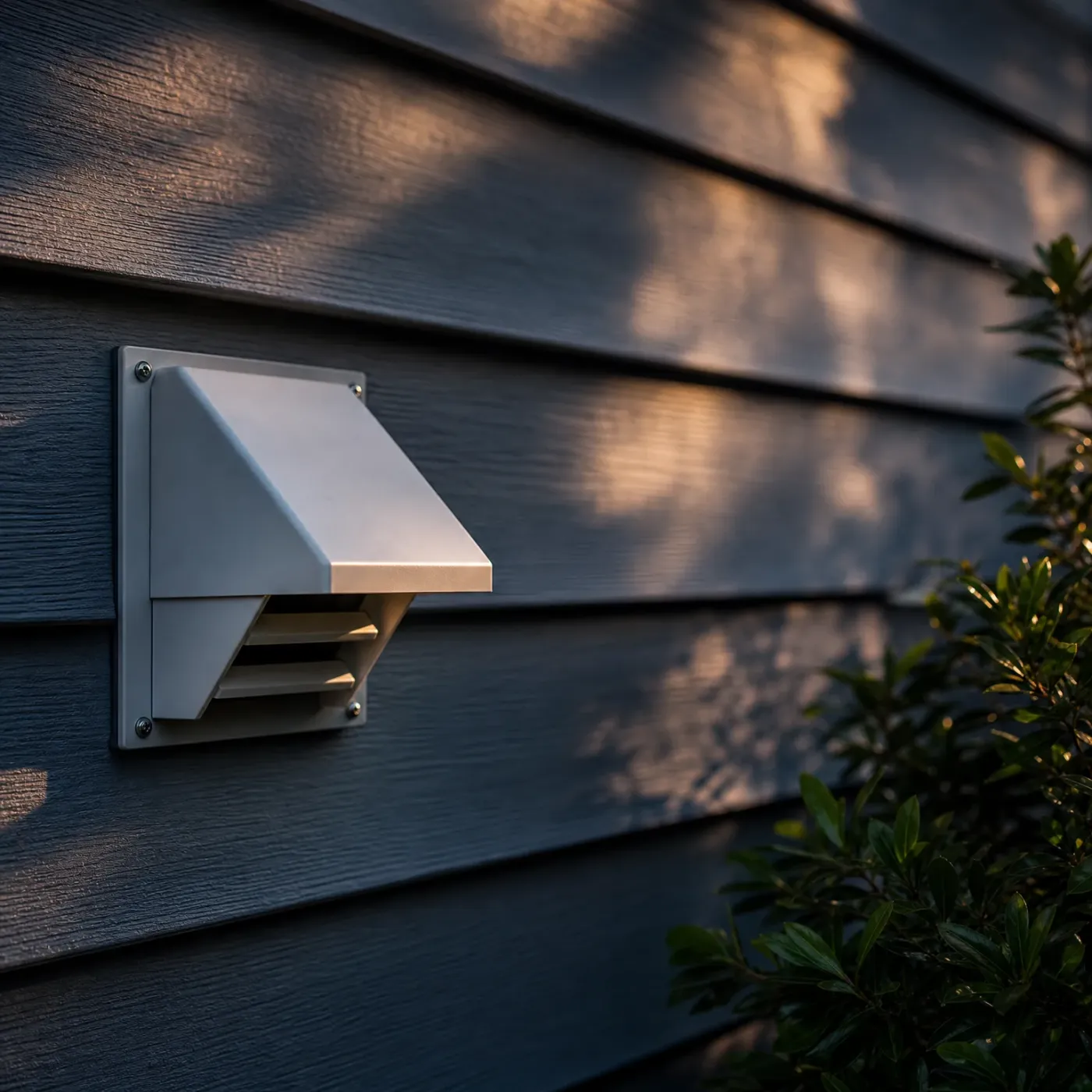
- Check the outside hood while the dryer runs; weak airflow there points to a clog somewhere in the run.
- A longer duct run or one with several turns collects lint faster than a short, straight one.
- The drum can tumble and spin for a full cycle without actually pushing exhaust air outside.
Worn Dryer
- A heating element or igniter that's failing produces heat that fades partway through the cycle instead of cutting off early.
- A thermostat or sensor reading wrong can shut off heat too soon, leaving clothes damp no matter how long the cycle runs.
- Electric dryers rely on the heating element staying consistent, and a weak one won't dry a full load in one pass.
- A bad moisture sensor can misread dry clothes as wet and keep adding time to the cycle.
- If lint is light in the trap and the vent hood blows strong, the dryer itself is more likely the problem.
- A drum belt slipping or worn can slow tumbling enough that clothes don't dry evenly, even with good airflow.


A dryer vent with a full-size clog can cut airflow down to a fraction of what the dryer needs to push moist air outside. The motor and heating element keep running at full strength while the air meant to carry that heat and moisture out barely moves.
That mismatch is why the clothes stay damp no matter how long the cycle runs. The heat is there, but it has nowhere to go, so it sits in the drum with your clothes instead of venting outside.
Power costs 15.46 cents per kilowatt-hour statewide
Most Oregon homes run electric dryers, and at 15.46 cents a kilowatt-hour, every extra cycle a clogged vent forces shows up on the bill. A dryer fighting a blocked vent pulls the same power whether it dries the load in one cycle or three.
EIA-861 2025 statewide residential average

Lint sheds off every load and travels into the duct
Loose bends and long runs give lint a place to catch
Trapped lint narrows the duct and slows the airflow
The dryer heats longer trying to push air through


Get your dryer vent to the right pro

Your dryer vent cleaning request goes to one local pro.
No fee to send it, and nothing to sign.
A Vent Problem, Not a Dryer Problem
- A dryer running two or three cycles for one normal load is telling you the vent is blocked, not that the machine is failing.
- Clearing the duct restores the airflow that carries moisture out, so a load goes back to finishing in one cycle.
- A local contractor who clears vents all year knows which bends and run lengths in Oregon homes tend to trap lint first.
- Matching you with one contractor means a single visit from someone who already knows what to check, not a string of calls to field.
- The fix sits in the vent run itself, not in any part of the dryer you can see or reach.
A dryer that needs two or three runs to finish one normal load isn't wearing out. It's pushing heat through a duct that can't move the moist air out anymore. Once you clear that path, the drum goes back to doing what it was built to do, and a load finishes in a single cycle the way it should.
None of this points to a part inside the dryer. The heating element and the motor are working the whole time, which is why the fix never shows up when you check the machine itself. It's the run of duct between the dryer and the outside wall, the bends in it, and whatever has built up in those bends over however many loads have gone through since it was last cleared.
That's also why who clears it matters. Oregon homes have their own mix of vent lengths and bends, and a contractor who works on these vents all year has a sense of where lint tends to catch first in runs like yours. You get matched with one contractor, local and licensed, so it's a single visit from someone who already knows what to look for, not several companies working the phone at once.
Once the duct is clear, you'll know. The next load dries in the time it's supposed to, and the dryer stops running hot past when the clothes are actually dry.

Dryer Vent Cleaning
The right pro for this job

- Say what's going on with your dryer vent, and a pro who works on them reaches out.
- A local pro who knows dryer vents gets your details and gets in touch.

- One request and the dryer vent cleaning stops waiting on you.
- Send the form and the dryer vent cleaning stops sitting on your list.

- Skip calling around for someone who cleans dryer vents.
- Answer a few questions about the dryer vent cleaning and skip the search.

- Only one pro gets your request, so you hear from one company.
- Your request stays with one local pro.