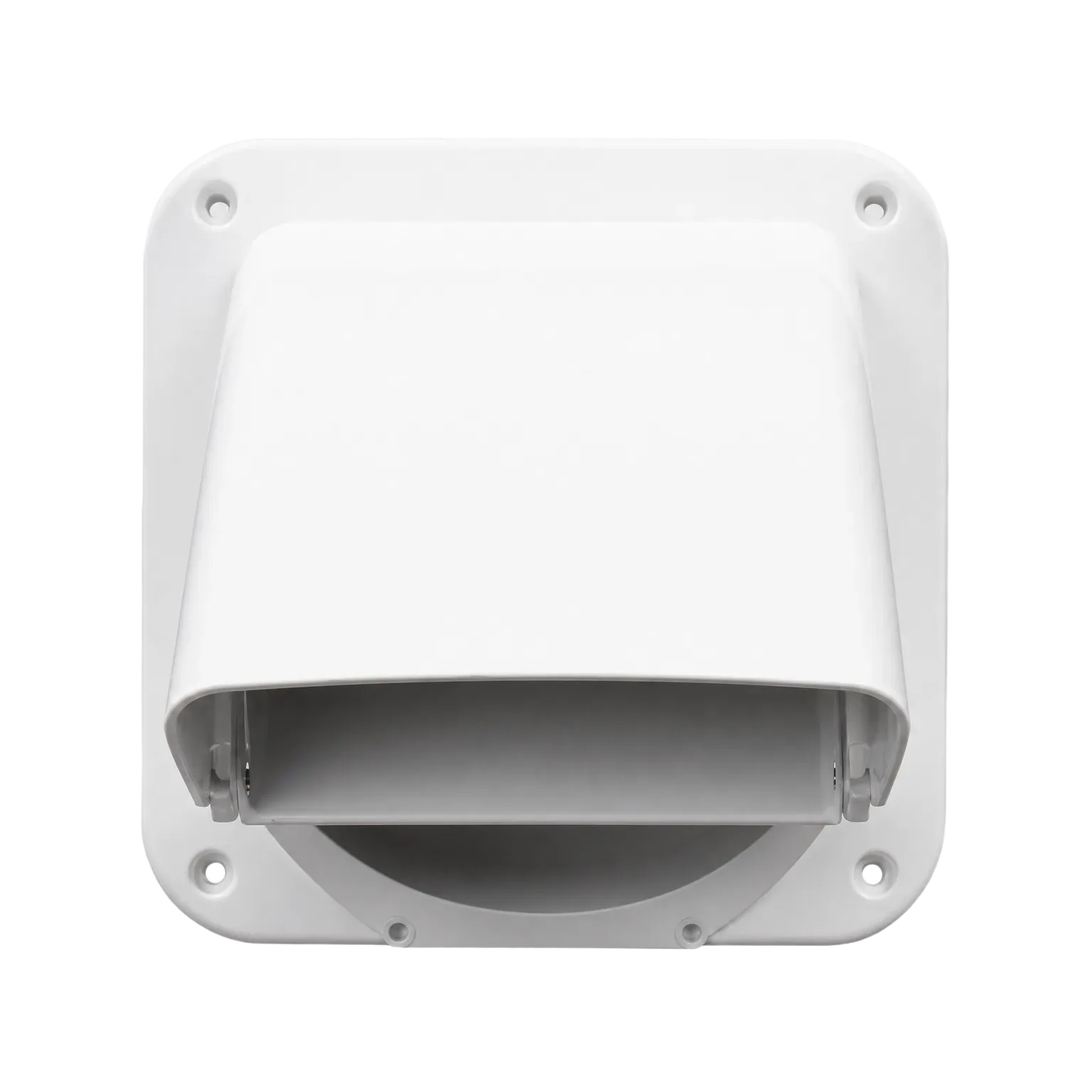
A clear vent cap
The hood sits flush against the siding and swings open when the dryer runs. Air pushes the flap out, then it falls shut when the cycle ends. Nothing holds it open, and no lint collects around the screws or the edge of the backplate.
Lint buildup inside a dryer vent is a fire risk, and most people only think about it when the dryer starts taking two or three cycles to dry a load. You're wondering if there's a set schedule you should be on, instead of just waiting for the signs to show up.
Once a year is the standard for a typical household, more often if you dry a load almost every day or have a long vent run to the outside. Lint builds up inside the duct with every cycle, and it narrows the path air has to travel to get outside. A blocked vent makes the dryer run longer to finish a load, and that matters here because power in Multnomah County isn't cheap. The motor and heating element also work harder and wear faster. If your dryer is on an electric circuit, which most homes in the area use, a slow vent shows up as a higher bill before it shows up as a breakdown.




2.23 people per household on average
A household here runs 2.23 people on average, and more loads through the dryer means lint builds up faster than it would in a house running the machine once a week.
Half the homes here were built by 1972
Half the homes in Multnomah County went up by 1972 or earlier, and an older vent run is more likely to have joints, turns, or a longer path that traps lint instead of carrying it outside.
Power here costs 18.29 cents per kilowatt-hour
Electricity here runs 18.29 cents per kilowatt-hour, so a vent clogged with lint makes an electric dryer work harder and run longer to dry the same load, and you pay for that extra time.
ACS 2020-2024 · EIA-861 2025
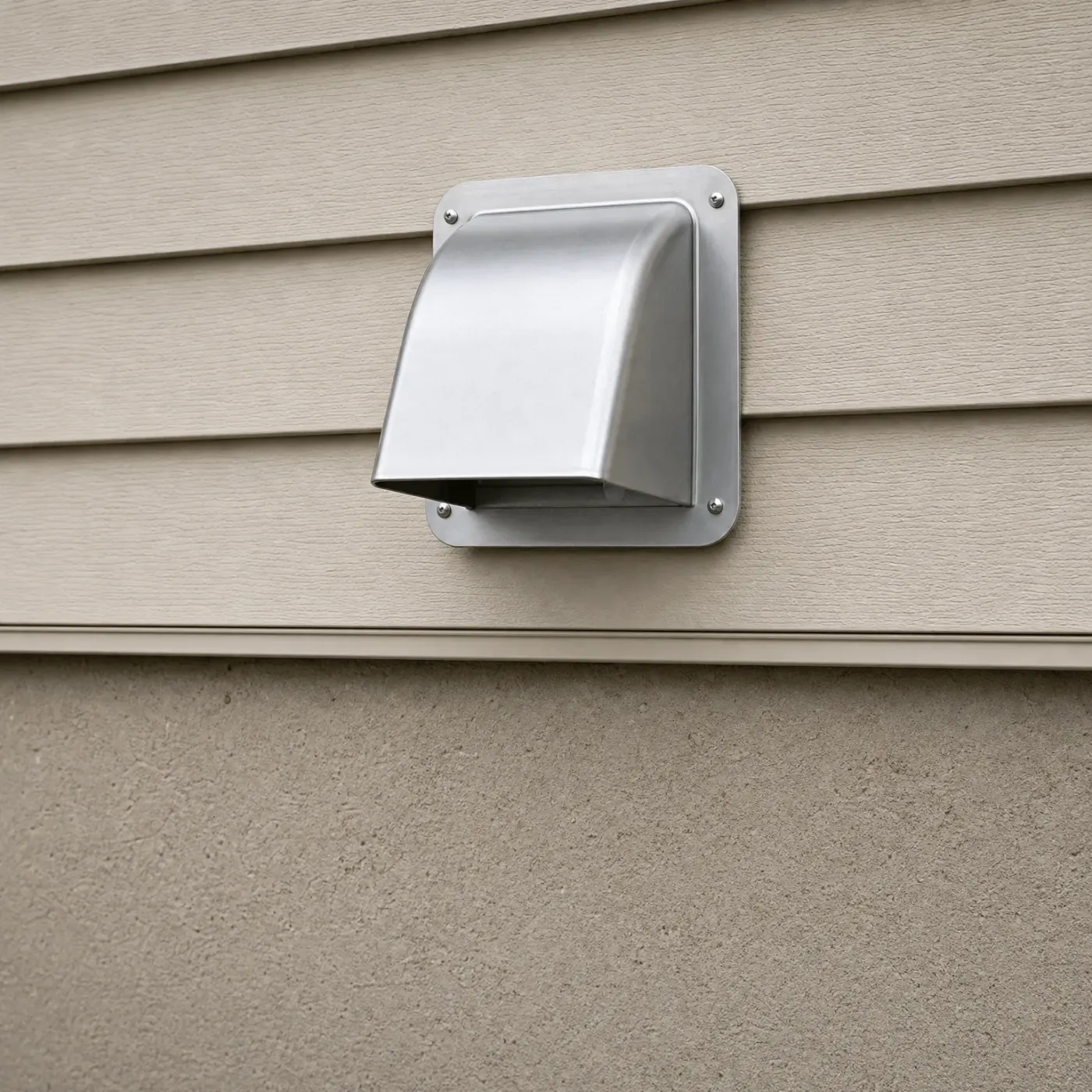
The hood sits flush against the siding and swings open when the dryer runs. Air pushes the flap out, then it falls shut when the cycle ends. Nothing holds it open, and no lint collects around the screws or the edge of the backplate.
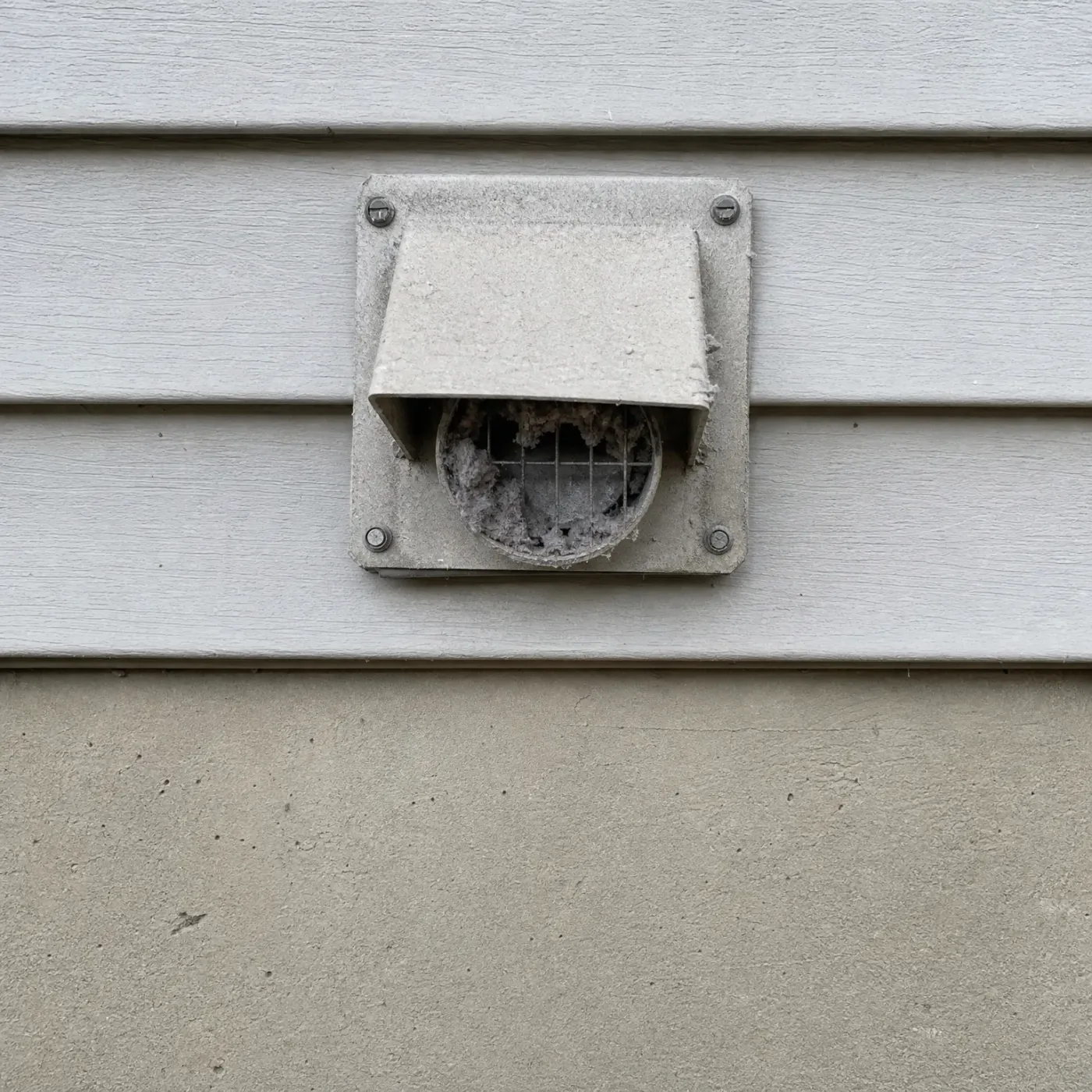
Someone put a mesh screen over this vent, and lint has built up across it until almost no air gets through. The dryer has to push harder to force air out, and that strain is what wears out an exhaust system before its time.

Lint is dry and fine, and it builds up fastest at the bends in the vent run, not in the straight sections. A dryer vent that turns twice to get from the laundry room to an outside wall traps more lint at each turn than a run that goes straight out the back wall. The more bends your setup has, the more often that run needs a look, even if your household size and load count match the house next door.

A dryer pushes hot, wet air out through the vent with every load. When lint narrows that path, the air has to work harder to get outside, and the motor and heating element run longer to finish the same load. That's the two or three cycle problem. Past a certain point the vent isn't just slowing the dryer down, it's holding heat and moist air inside the duct, which is the setup for a lint fire.
A load that used to take forty minutes now takes an hour, or you run it twice to get towels dry. The top of the dryer feels hot to the touch, or the laundry room feels warmer and more humid than it should partway through a cycle. You open the lint trap and it's full after every single load, not every third one. Outside, the vent cap barely moves when the dryer is running, or you don't feel much air coming from it at all. Any one of these means air isn't moving through the vent the way it's supposed to. The lint that's slowing it down is also what catches fire, and a vent that's choked is working your dryer's heating element harder than it was built for.
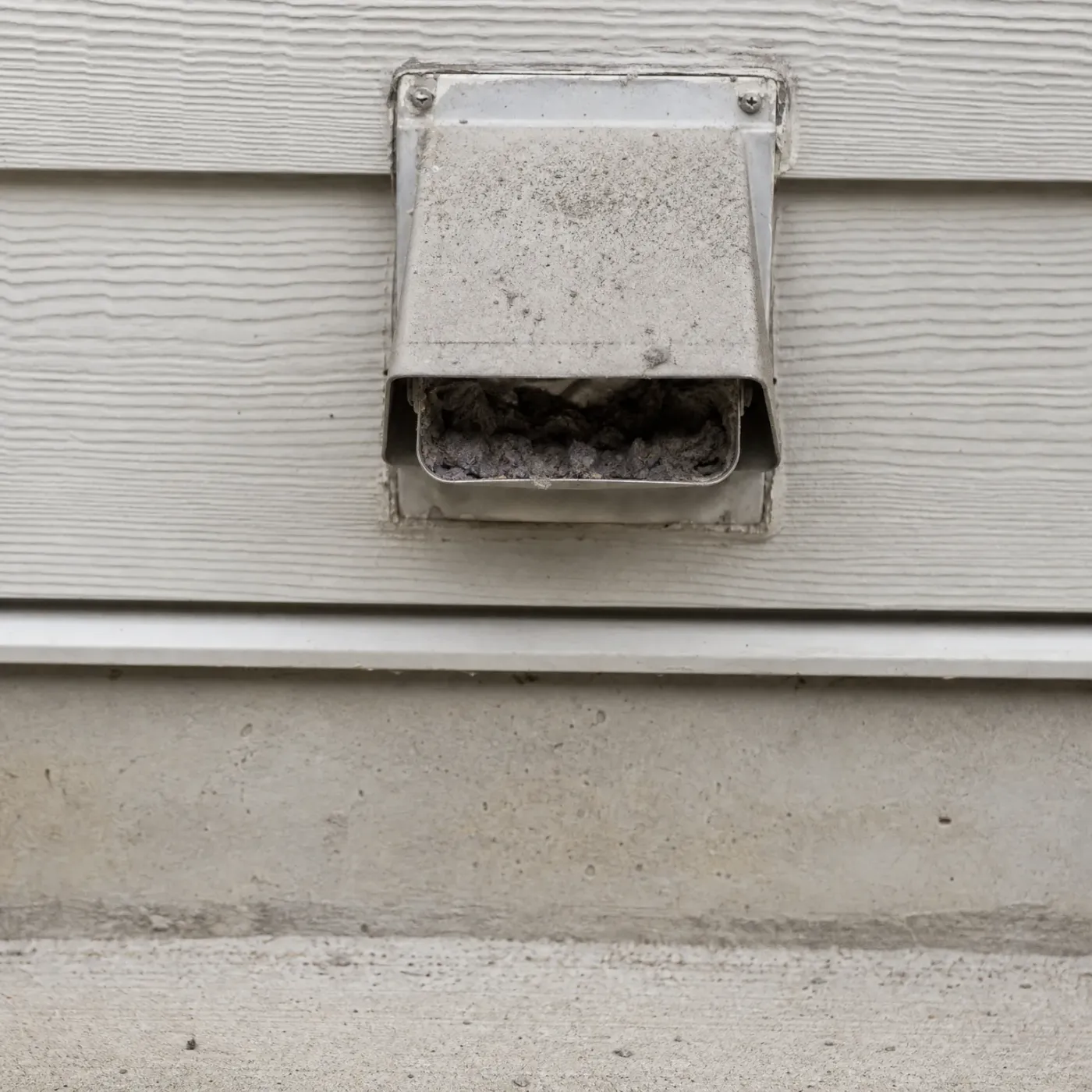
Lint tears loose from wet fabric as the drum tumbles.
Hot air carries that lint out through the vent duct.
Lint snags on screws, seams and the slow spots in bends.
Buildup narrows the duct and blocks the airflow further.


The pro who gets in touch is licensed in Oregon and works in Multnomah County.
You're not committing to anything by asking.
A gas dryer sends combustion exhaust out through the same vent that carries lint, and a blocked run keeps that exhaust from clearing the way it should. Run one load a day and lint reaches the point where airflow is noticeably weaker well before a year is up. Check the outside cap after a load. If the flap barely lifts, or you catch a faint gas smell near the dryer, the run needs clearing sooner, not on whatever schedule you'd planned. A household doing laundry daily is pushing more lint through the duct than one running it twice a week, and the vent shows that difference first.
An electric dryer vents only hot, moist air, with no combustion exhaust to worry about, so a slow buildup is more a matter of drying time than safety until it gets bad. A few loads a week means less lint moving through the duct, and the run stays clear longer than it would in a house doing wash every day. You'll still want to check it once a year, since Portland's wet winters can leave damp lint sitting in a bend instead of blowing clear. Watch for longer dry times as your sign to move that check up.
At 2.23 people, most houses here run the dryer most days, not once or twice a week. That steady pace feeds lint into the vent at a steady pace too, so the gap between cleanings matters more than it would in a house that does one load on Sundays.
ACS 2020-2024
Some houses here have the laundry room against an outside wall, so the vent goes straight through and out, maybe with one gentle turn. Lint moves through a run like that without much to catch on. Airflow stays strong load after load, and you can go longer between cleanings because there's less in the duct working against the dryer. If this is your setup, check the cap outside once in a while, but you're not racing the calendar the way a longer run forces you to.
Other houses have the dryer in a basement or a middle room, so the vent has to turn corners and sometimes run up through a wall before it reaches outside. Every turn is a place lint can snag, and a run with three or four turns loses airflow faster than a short straight one does. If your laundry room is tucked away from an outside wall, assume your vent needs looking at sooner than a neighbor's would, not because you're doing anything wrong, just because the duct is working harder to move the same lint.
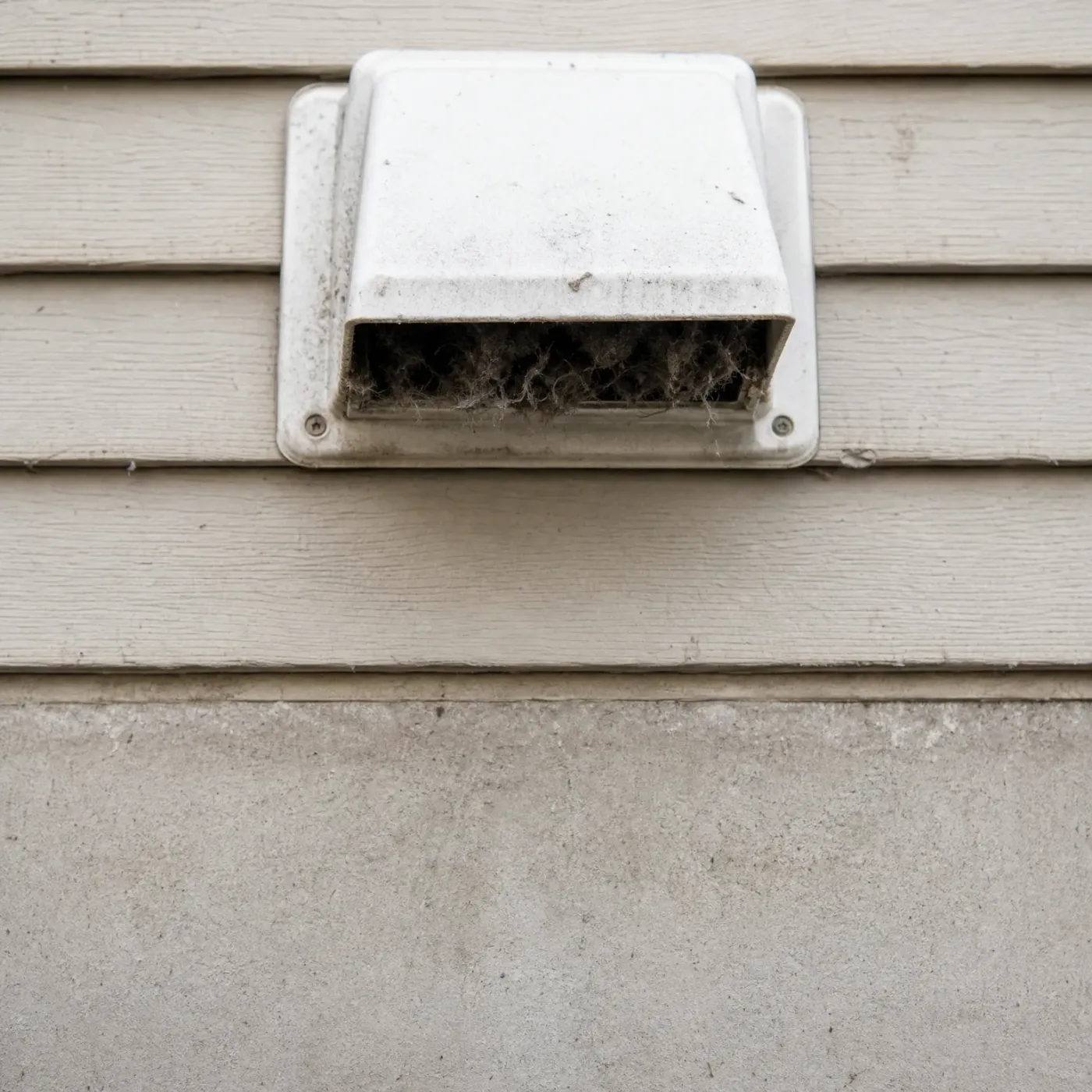
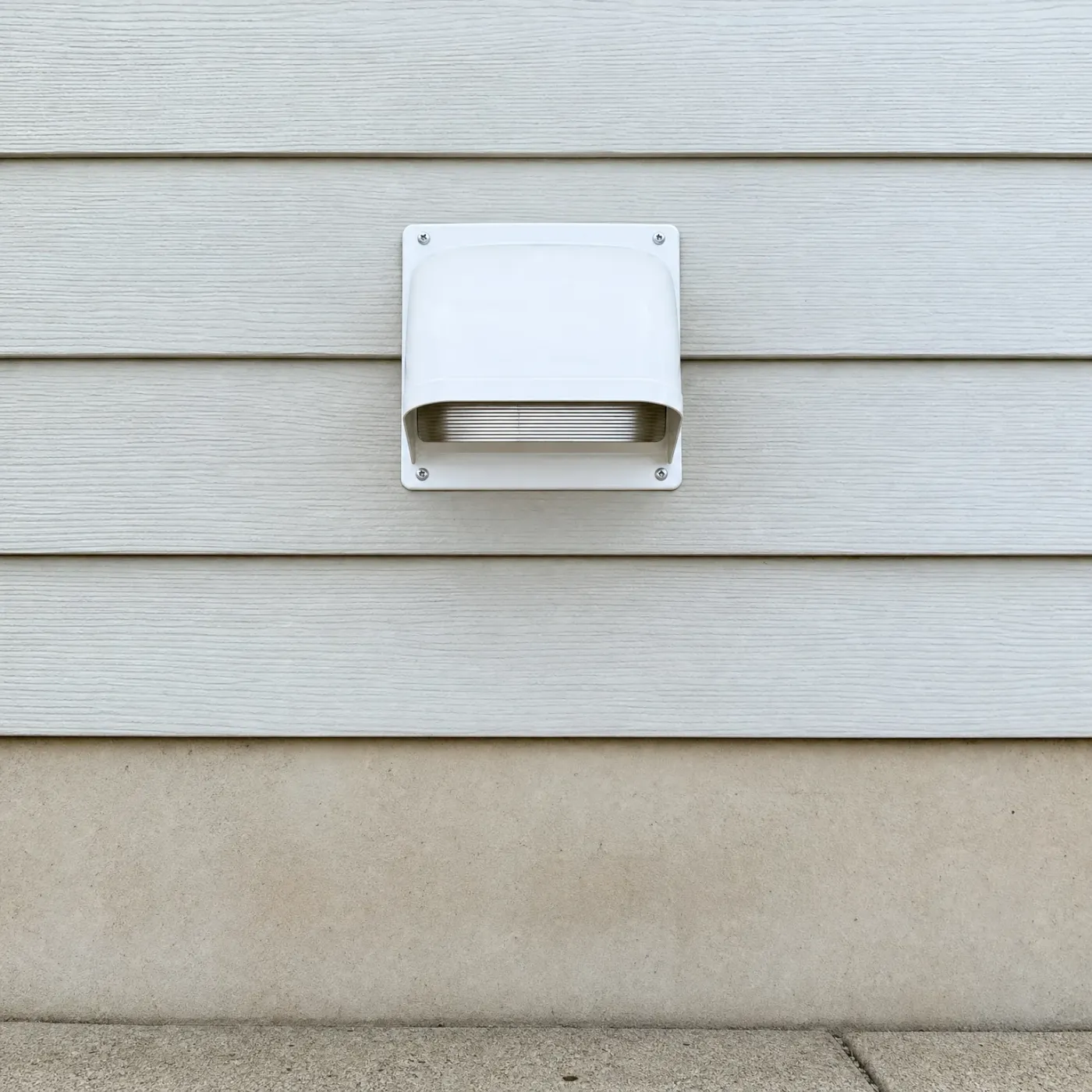
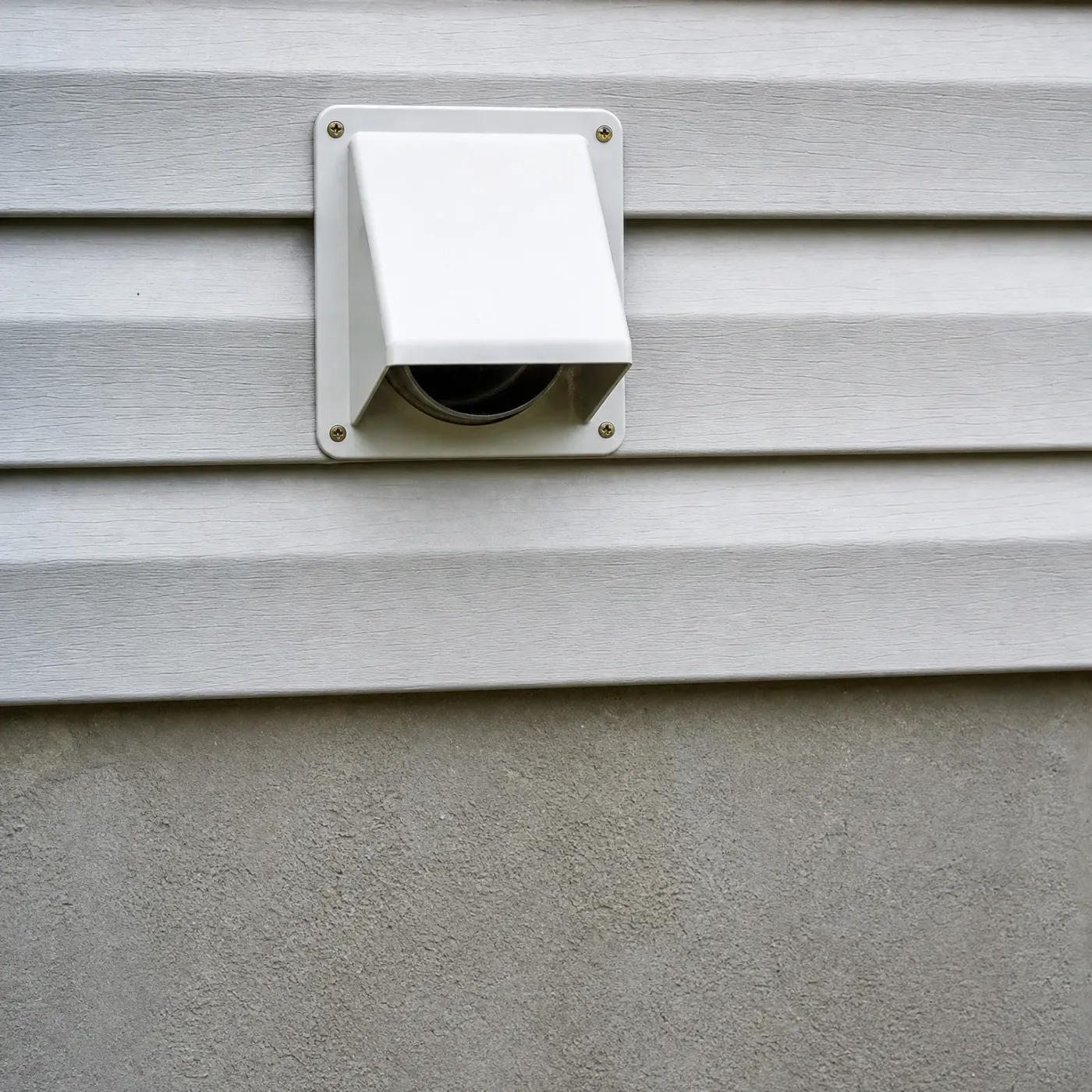
The flap swings open when the dryer runs and falls shut clean when it stops. No lint sits around the screws or the edge of the cap. Air moves straight out through the hood with every load, and the dryer's exhaust reaches the outside wall without catching on anything.
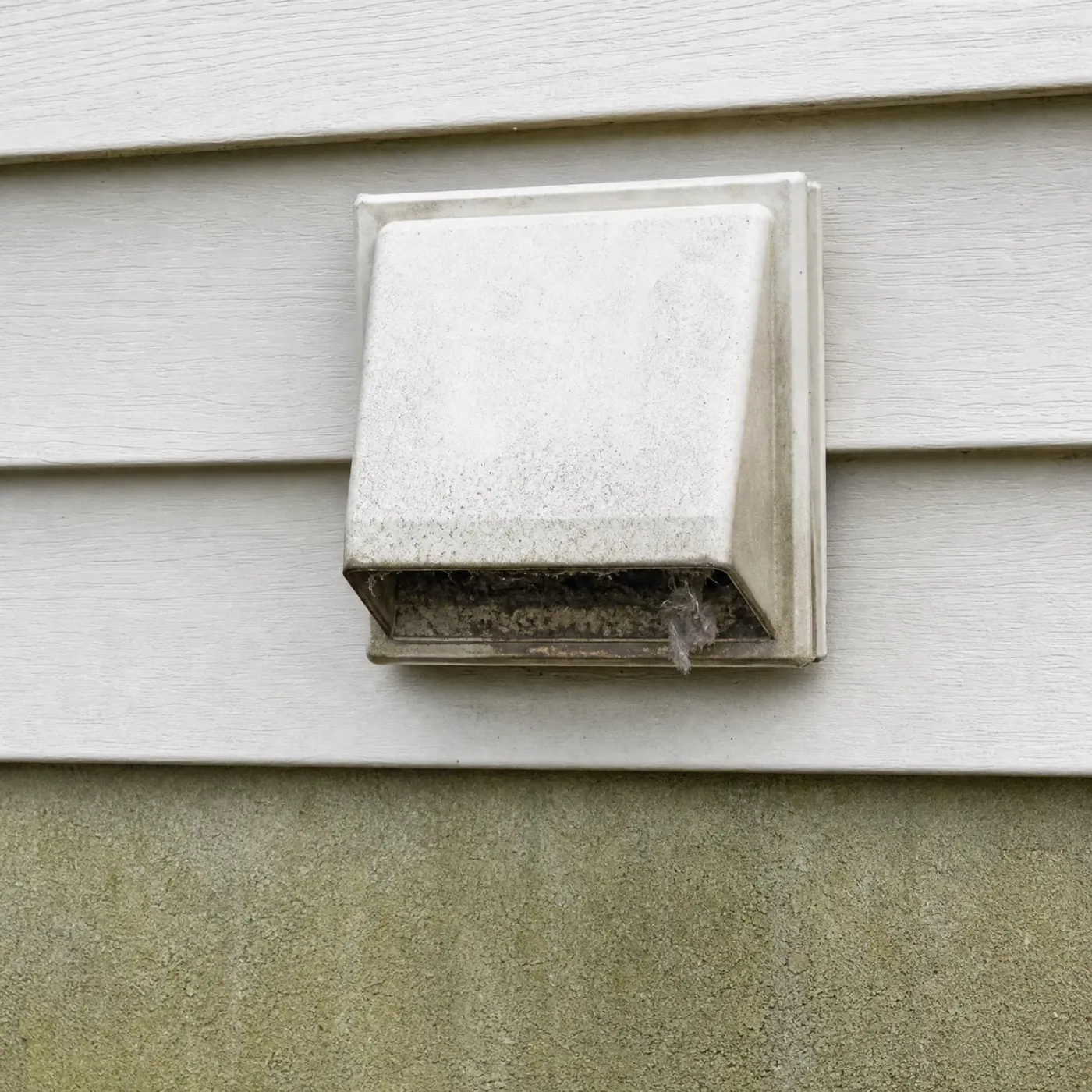
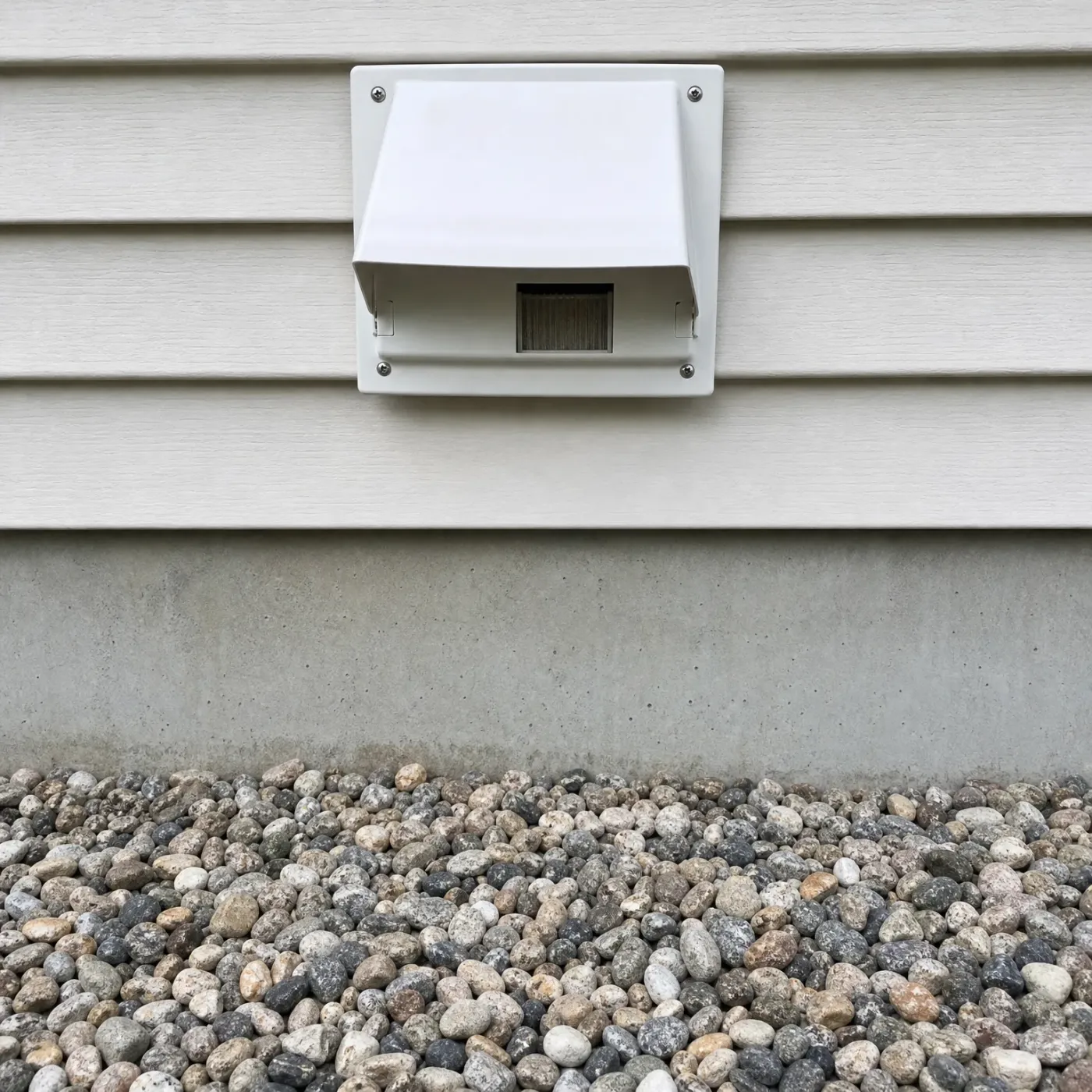
Lint has built up behind the flap and started pushing out through the opening. The hood can't swing shut all the way, so it sits propped on the buildup. Air that should push straight out is backing up into the duct instead, and the dryer behind it is working harder to push it through.
Once a year for most houses in Multnomah County, sooner if you're running a long vent run or a household that fills the machine most days of the week. That's the number to work from. The flap tells you the rest between cleanings: if it swings open wide and falls shut clean, the run is clear, and if it drags or lint sits around the edge of the cap, it's time. A contractor who clears vent runs through Portland winters and summers all year knows which bends in a run trap lint fastest and how a gas dryer's exhaust changes the stakes of waiting too long. You'll be matched with one contractor local to this area, not a handful of companies competing for the job, so the person who calls you back is the one who'll actually show up and clear the line.

A licensed pro who works in Multnomah County gets your request.