Profile view of a bearded man wearing a black baseball cap and a dark gray T-shirt against a plain light background.

Does closing vents save heat in an Oregon home

Tune-up, service, or cleaningFurnace or heatingOregon
Step 1 of 2

What ZIP code is the job in?

Does closing vents in some rooms save on heating

You've got a spare room or a bedroom you barely use, and it seems wasteful to heat it the same as the rest of the house. Closing the vent feels like it should cut down on what your furnace has to do, and with electric heat the cost of running it is on your mind every month.

No, closing vents usually doesn't save you anything

Your furnace moves a set amount of air whether or not every vent is open. Close one off and that air has to go somewhere, so it pushes back through the ductwork looking for a way out. That extra pressure can force air out through seams and joints that were never meant to be the exit, which means heat you paid for ends up in the attic or under the floor instead of the room you wanted it in. It can also strain the blower, since it's working against ducts that weren't built to be partly blocked. If a room runs cold, the fix is usually the register, the duct run, or insulation in that part of the house, not shutting the vent.

A gray high-efficiency furnace stands on a concrete basement floor beside galvanized sheet-metal ductwork, with white PVC vent pipes, gas and water lines, and unfinished wood framing behind it.

Vents left open

Air moves through the ductwork the way the system was designed to move it. Pressure stays even, so the blower isn't working against a closed register somewhere down the line. The furnace cycles on, heats, and shuts off without strain.

A beige furnace with two louvered front panels stands on a concrete basement floor beside galvanized ductwork, metal pipes, and a wooden post.

Vents closed off

Close enough of them and the air has nowhere to go. Pressure builds in the ducts, and it can push warm air out through loose joints before it ever reaches a room. The blower works harder, and a furnace that runs hotter than it should wears parts down faster.

Why does one room feel colder than the rest

Walk through your house and you'll probably find it: a room that never quite warms up, or a hallway with a faint whistle near the floor register. That hissing sound is air trying to push past a vent you closed or nearly closed. Check your furnace closet too. If it's running longer than it used to, or kicking on more often through a cold stretch, the ductwork is working harder than it was built to. Since most homes here heat with electricity, a furnace straining against closed vents shows up on your bill before it shows up anywhere else. Left alone, that extra strain is also what tends to wear out a blower motor or crack a heat exchanger sooner than it should.

A gray high-efficiency furnace in a basement with white PVC vent pipes, sheet-metal ductwork, copper and black piping, a condensate pump, and insulated walls above a concrete floor.
A system running the way it was designed, with air moving freely through every duct and register.
A beige residential furnace stands on a concrete basement floor beside galvanized sheet-metal ductwork, a round flue pipe, copper gas piping, and a PVC condensate line, with a wood-paneled wall at right.
An older furnace working against closed vents, where added strain shows up in worn panels and strained seams over time.

How your furnace reacts to closed vents

  • Your furnace is sized for the total square footage it was designed to heat, not for whatever rooms you leave open.
  • The blower moves a set volume of air no matter how many registers are closed, so that air has to go somewhere.
  • Closed vents push air back through gaps in the ductwork, past unsealed seams, and out through the cabinet itself.
  • Static pressure builds inside the supply ducts, and that pressure is what makes the blower motor work harder to push the same air.
  • A furnace's heat exchanger is rated to handle a certain airflow across it, and less airflow means it runs hotter than it should.
  • Electric furnaces split that strain across heating elements and a blower motor, both of which wear against resistance they weren't built to meet.

Your furnace was set up to move a certain amount of air through the whole duct system. That number doesn't change when you shut a register. The blower still pushes the same volume, so when it can't go out through the rooms you closed off, it looks for another way out. Some of it finds the gaps around duct seams and joints that were never meant to carry airflow, and some of it pushes back toward the cabinet itself. That backup raises the static pressure inside the supply ducts, and the blower motor has to work against that pressure to keep moving air at all. It wasn't built to run against resistance like that, and over time it shows.

The heat exchanger feels it too. It's rated for a specific airflow moving across it, and when less air gets through, it runs hotter than it was designed to. That matters more than it sounds like, since the exchanger is one of the more expensive parts of the furnace to replace.

If you've got an electric furnace, the strain splits between the blower motor and the heating elements, and neither one is built to push against a system that's been partly shut off. None of this shows up right away. It shows up as a furnace running harder than it should, for no reason that saves you anything.

A smiling woman with dark shoulder-length hair in a cream V-neck sweater sits at a marble counter with a glass of red wine, with a kitchen and softly lit living room behind her.
A woman in a dark green sweater laughs while seated at a marble kitchen island with a glass of red wine, with open shelving, cabinets and a living room visible behind her.
A woman with long dark hair in a cream knit sweater laughs while looking off to the side, seated at a counter with a glass of red wine, in a dimly lit living room with a sofa, lamp, framed pictures and houseplant behind her.
A smiling woman with long dark hair in a beige sweater sits at a marble kitchen counter with a glass of red wine, with a dimly lit living room behind her.

Skip calling around

A licensed local pro takes the request for your furnace tune-up.

There's no charge for the request.

How the blower actually responds

Most furnaces here run a direct-drive blower set to move a fixed amount of air for the system's size. It doesn't sense how many vents are open and scale back. Close three or four registers and that same volume of air still has to go somewhere, so it finds the gaps around duct joints, the boots, the seams in the plenum. That's pressure the system wasn't built to hold. Over a winter of regular cycles, those joints are what loosen first, and once they do, you're paying to heat the inside of a wall instead of the room you closed off.

What a duct leak costs you

Oregon winters mean your furnace is cycling on for months, not just on the occasional cold snap. A leaky duct run isn't a one-time loss. Every cycle, some of that heated air escapes into the attic or crawlspace before it reaches a register. Since most homes here heat with electricity, that's electricity paid for air nobody felt. A technician checking your system during a maintenance visit can pressure-test the ductwork and find those leaks before they turn into a bigger repair, which is the real way to stop paying for air you're not using.

Winter nights average 32°F statewide

With nights averaging 32°F across December, January and February, your furnace is running most winter evenings, not just on the cold snaps. Closing a vent doesn't lighten that load. The blower still pushes the same air, so the house stays better off with every register open.

NOAA nClimDiv 1991-2020 county normals weighted by homes

A furnace in a dim basement with a dirty pleated air filter partially pulled out of its slot, beside a water heater and concrete walls and floor.

The light's going flat by four o'clock, the way it does in an Oregon October, and you're in the basement because the spare room still won't hold heat. You've pulled the filter to check it, half slid out of the furnace, and it's grey, matted with the kind of dust you can't see from across the room. You hadn't planned on this. You'd closed that register weeks ago thinking it would help. Now you're crouched by the cabinet with a flashlight, filter in one hand, looking at a furnace that's been pulling against something you set in motion back in September.


Get It Checked or Leave It

Call a contractor out

  • A local tech who services furnaces all winter can check static pressure and tell you in one visit if closed vents are straining the blower.
  • You explain the spare room and the whistling register once, to one person, instead of repeating it to three companies for quotes.
  • Someone who works on this equipment every season knows which furnace models handle closed vents worse and what usually fails first.
  • One licensed contractor means one visit and one set of answers, not a string of calls from competing companies.
  • A tech can check the filter, the duct seams and the panels in the same visit, so you're not guessing which one is causing the strain.

Leave it as is

  • The vent stays closed, the whistle stays, and the furnace keeps pushing the same volume of air whether you address it or not.
  • Without a tech checking static pressure, you won't know if the closed vents are straining the blower or just making one room cold.
  • You're left comparing what you read online against what's actually happening in your own ductwork, with no one to confirm it.
  • If a seam or panel is already under strain, it keeps working that way until someone with the right tools looks at it.
  • Any guesswork about which vents matter stays guesswork until someone who services this equipment checks it in person.
A gray high-efficiency furnace stands on a concrete basement floor beside galvanized sheet-metal ductwork, white PVC vent pipes, copper and black piping, and unfinished wood stud framing.

Furnace running clean

This is what a furnace looks like with every vent open. Air moves through the ductwork at the pressure it was built for, out to the registers and back through the return. The cabinet stays cool to the touch where it should, and the panels sit flush against the frame.

A gray furnace with two access panels stands on a concrete basement floor beside sheet-metal ductwork, with pipes, flexible conduit and an electrical box on the concrete wall to the left.

Furnace under strain

Same furnace, vents closed down the hall. The blower still pushes the same volume of air, so pressure builds inside the cabinet instead of moving out through the ducts. Over a few winters, that pressure works on the seams and the panel fasteners, and a tech can usually spot where it's been happening.

A beige gas furnace with a metal flue pipe stands in a basement against concrete block walls, beside sheet-metal ductwork, copper and white plastic pipes, and a water heater at right.
Before you get your furnace maintenance
A gray high-efficiency furnace with white PVC vent pipes stands beside sheet-metal ductwork and a water heater in an unfinished basement with concrete walls and wood framing.
After you get your furnace maintenance

Before maintenance

A tech finds out your spare room vent's been closed for years and has to trace whether it's strained anything else before touching the furnace itself.

Describe it once

After maintenance

Static pressure's been checked, the blower's confirmed running the way it should, and you know whether that closed vent is actually a problem.

Describe it once
A smiling bearded man in a navy crewneck sweater sits at a dinner table with a glass of red wine, plates and glasses in the foreground, in a dimly lit room with a lamp and framed picture behind him.
A woman in a dark gray sweater reclines on a light sofa with eyes closed and a slight smile, under a textured gray blanket with an open book resting on her lap, with a lit table lamp and plant in the background.
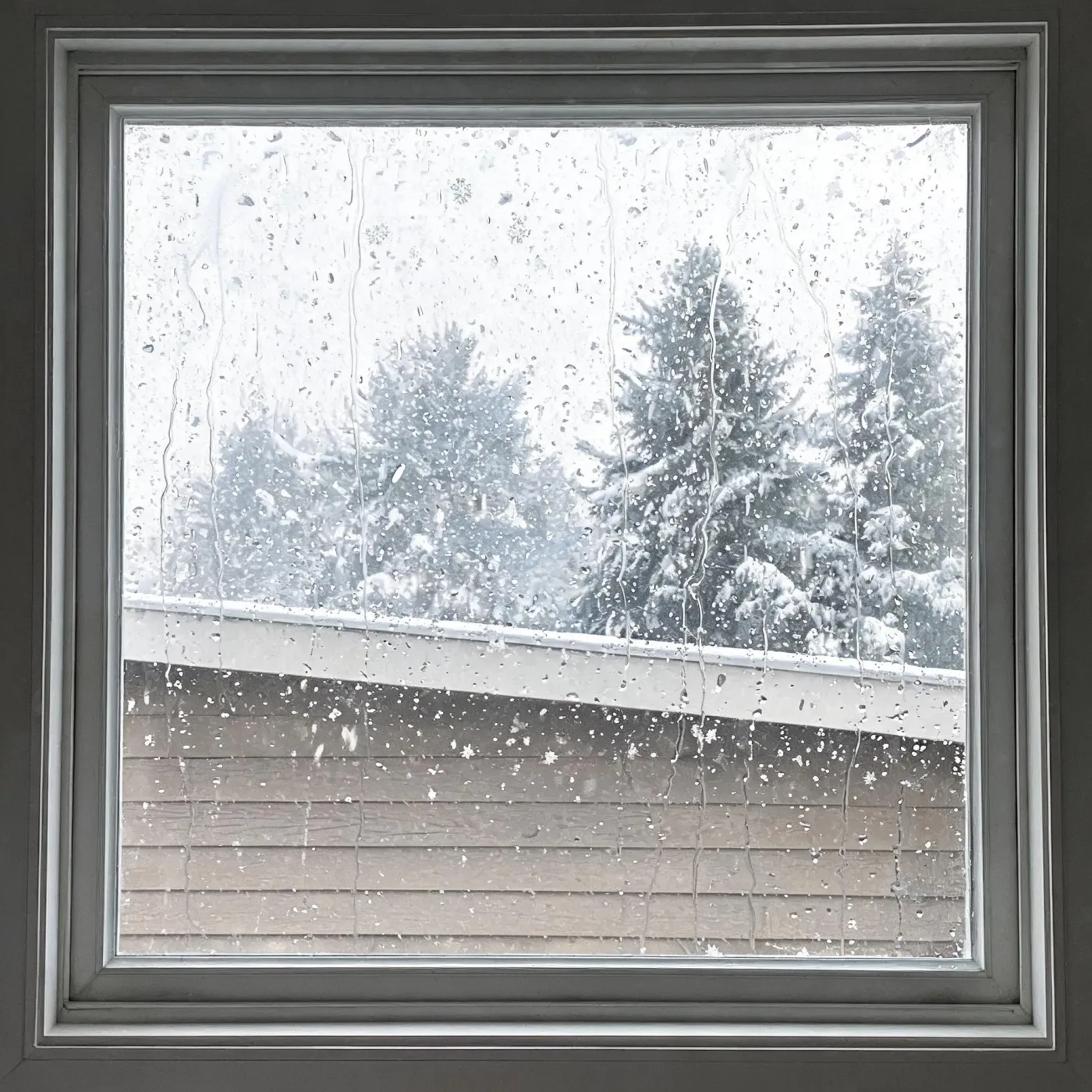
View through a square window with water droplets and condensation on the glass, showing snow-covered evergreen trees, a white railing or roof edge, and horizontal siding on a neighboring wall.

Statewide, winter nights average 32°F, according to NOAA climate data. That means your furnace isn't just running on the handful of nights it frosts over. It's cycling on most evenings from December through February, holding the house against air that's right at the freezing line outside. Closing a vent in the spare room doesn't change how much work that is. The blower still has to move the same volume of air to keep the rest of the house at temperature, and with outdoor air this cold most nights, it's doing that for hours at a stretch. You'll notice it most in how long the furnace runs before it shuts off, not in any single cold snap.

NOAA nClimDiv 1991-2020 county normals weighted by homes

A closed laptop and a cream mug of coffee on a coaster sit on a dark wooden table, with a potted plant at left and a kitchen counter, tiled backsplash and shelf of ceramics in the background.

Leave the vents open

Closing vents doesn't save you anything. Your furnace moves the same volume of air whether four registers are shut or every one of them is open, and that air has to go somewhere. It backs up into the ductwork instead of the room, and the blower works harder against that pressure all winter, not just on the coldest nights.

If you've already got a spare room that won't hold heat or a register that whistles, that's worth having looked at before it turns into something bigger. A local tech who works on furnaces all season can check static pressure, confirm the blower's running the way it should, and tell you straight whether those closed vents have caused any strain. You'd explain it once, to the one person actually coming to look at it, instead of getting a handful of quotes from companies who've never seen your furnace.

A living room corner with a beige upholstered armchair holding navy and striped cushions, a small round wooden side table with a carved bowl and a potted green plant, a framed landscape picture on a pale wall, built-in shelving, and a curtained window.
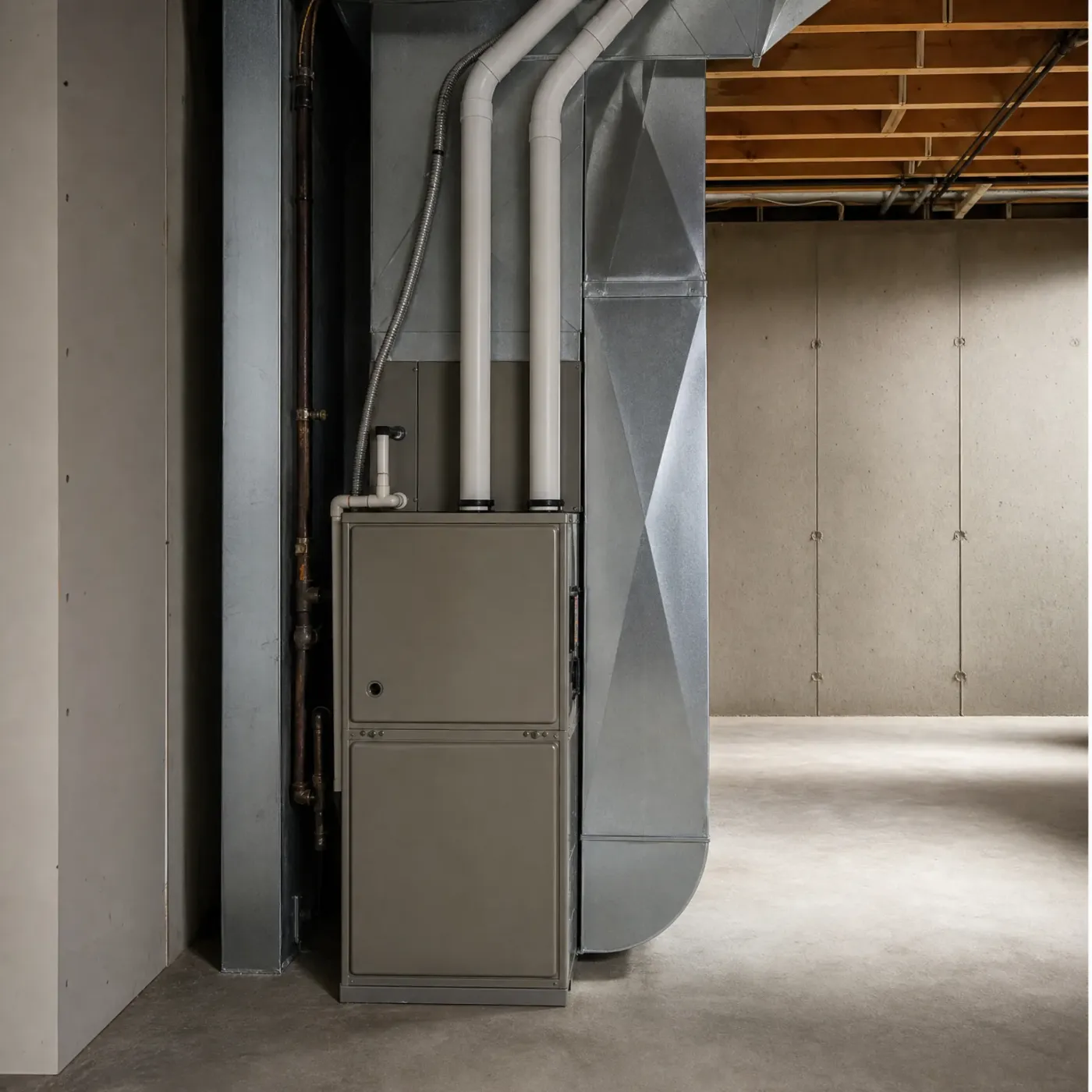
A gray high-efficiency furnace in an unfinished basement, connected to sheet-metal ductwork and two white PVC vent pipes, with copper piping and exposed wood floor joists nearby.

No phone calls to make

Find a licensed pro

The pro who reaches out is licensed in Oregon.

Asking costs nothing, and the choice to hire stays yours.