1 filter change
A clogged filter makes the blower run longer to push the same amount of heat through your ducts, and that extra runtime shows up on your bill.
 Find a furnace pro
A local pro who services furnaces gets in touch about the tune-up.
Most homes in Oregon heat with electricity, and that bill climbs fast once the furnace is running most of the day. Power here isn't unusually cheap or expensive, so the difference between a high bill and a reasonable one usually comes down to how hard the furnace has to work to keep up.
A furnace that's due for maintenance runs longer to put out the same heat. Dirty coils, a clogged filter, a blower that's out of balance, any of these make the system push harder for the same result, and that shows up on the bill before it shows up as a breakdown.
Finding someone to look at it is its own chore. You'd normally be searching for contractors who work on furnaces, calling a few, explaining what the system is and what it's doing, then waiting on quotes to compare before you even get a date on the calendar.
This page skips that part. Answer a few questions about your furnace and your home, and you get matched with a contractor who handles maintenance for setups like yours. They reach out to you directly, so you're not the one chasing availability or repeating yourself to the next person on the list.
What they find once they're out there, and what it takes to fix, is between you and them. What this page does is close the distance between you and someone qualified to take a look, so the only thing left on your end is picking up the phone when they call.
Below is what actually drives up a heating bill in an Oregon winter, and what maintenance can and can't do about it.
A furnace that's running longer than it needs to is the main reason an Oregon winter bill climbs. Electric furnaces don't lose efficiency the way a gas burner can, but they do lose it when the blower motor is coated in dust, when the filter is clogged and choking airflow, or when the heating elements are pulling more current than they should to put out the same heat. Oregon winters run long, often with the furnace working daily from November into March, so a small drop in efficiency repeats itself for months before it shows up as a bill you notice. Maintenance catches these things while they're still cheap to fix: a dirty filter swapped, a blower cleaned, the elements and connections checked before they wear further. None of that happens on its own. A furnace that's never been looked at tends to run exactly as hard as its weakest part forces it to, all winter long.


Your furnace makes heat with resistance coils, the same idea as a space heater, and a blower pushes that heat through the ducts into every room. The thermostat just tells it when to start and stop. What decides how long it runs each time is airflow. A clogged filter or a blower wheel caked in dust means less air moves past the coils, so the house takes longer to reach your set temperature and the furnace stays on longer to get there. The coils themselves hold up well over time. What wears out is the blower motor, or the capacitor that helps start it, and either one failing makes the furnace work harder for the same result. Loose wiring at the furnace adds resistance too, which wastes power on its own and puts extra strain on the coils. A technician checking amp draw on the blower motor, the condition of the coils, and the wiring connections catches this kind of wear before it shows up as a higher bill.




A clogged filter makes the blower run longer to push the same amount of heat through your ducts, and that extra runtime shows up on your bill.
No calling around, no explaining your furnace to three different companies. Get matched with a contractor who handles maintenance and let them reach out to you.
You notice it when the blower is still running an hour after the house already feels warm, or when one room stays cold no matter where you set the thermostat. The air coming out of the vents feels weaker than it used to, and some rooms take longer to warm than others. A furnace working that hard to keep up cycles on and off more through the day, and each extra cycle is pulling power. Left alone, a blower coated in dust or a coil losing contact with the air moving past it can run itself down further over the winter, and a furnace that strains all season has less left for the next one.
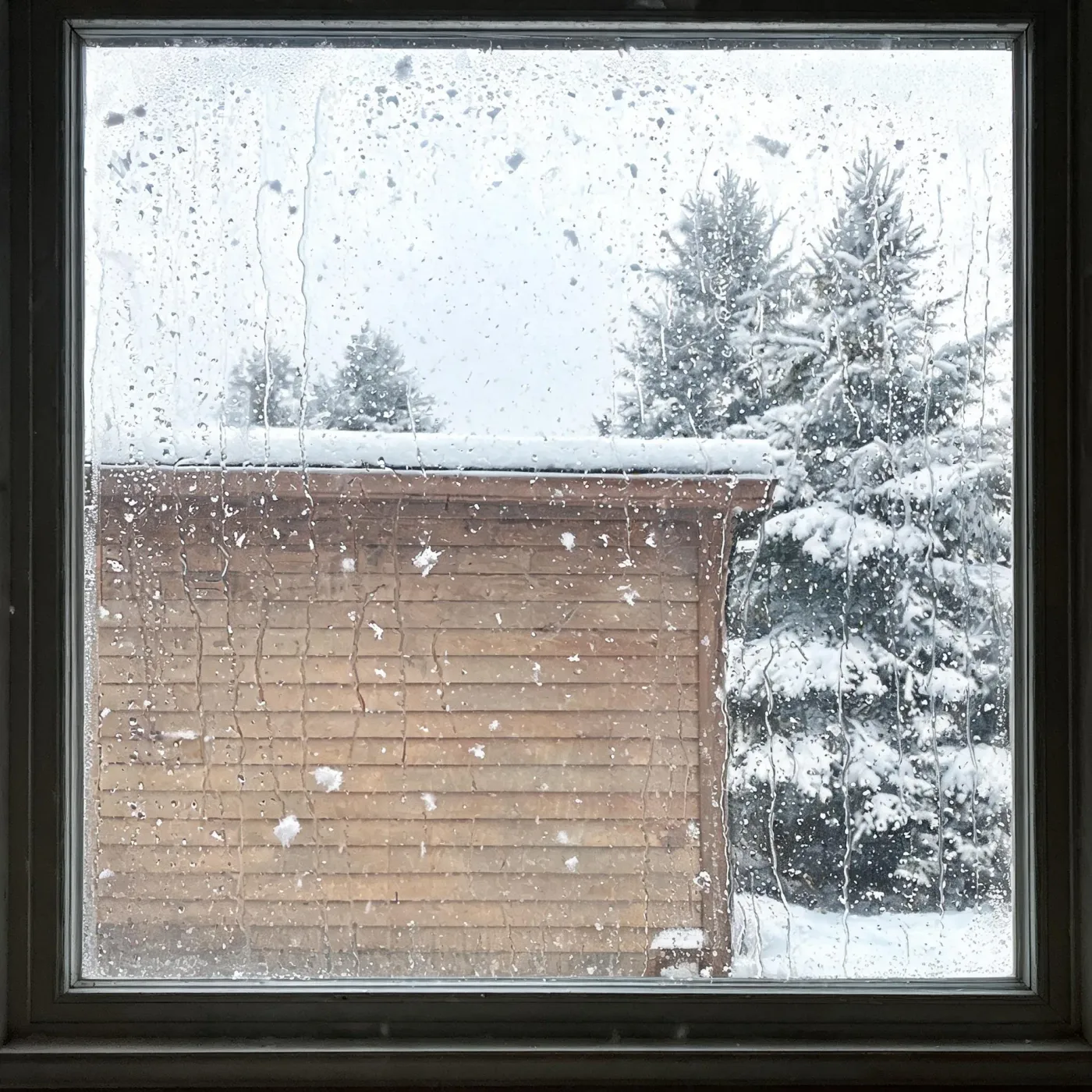
Winter nights across Oregon average 32°F, according to NOAA climate data. That's right at freezing, which means your furnace is cycling on through the coldest hours of the night, not just a few mornings here and there. A furnace working that many cold nights needs clean coils and a blower that isn't straining, or it ends up running longer than it should to hold the house at temperature. You'd notice it as a bill that doesn't match how warm the house actually feels. Instead of calling around to find someone who services electric furnaces, you can get matched with a contractor who handles maintenance for your setup, and they'll reach out to you directly.
NOAA nClimDiv 1991-2020 county normals weighted by homes
You already know the furnace is running more than it should. What's harder is knowing whether that's a five minute filter swap or a blower motor headed for real trouble, and most homeowners aren't going to pull the panel off and check. Getting that answer the usual way means finding a few contractors, calling each one, walking through the same description of your furnace and your bill three separate times, then sitting with quotes that don't line up because no two companies looked at the same thing. That's hours you don't get back, spent before anyone has even looked at your furnace. Handing it off skips that part. Instead of you tracking down and vetting contractors, a contractor who services furnaces like yours in your part of Oregon gets your request directly. The furnace still needs a real look, and the winter bill isn't going to wait for you to find time to make five phone calls.
The furnace keeps running. The blower stays coated in dust and the filter stays clogged, so the furnace cycles on more often and stays on longer each time to push out the same heat. You keep paying for that extra runtime every month from now through spring. If a part is already wearing down, like a blower motor working harder than it should, nothing catches it early. It keeps working until it doesn't, usually on one of those nights near freezing when you need it most. And you're still carrying the task of finding someone to look at it: searching for a contractor, calling a few, explaining the same thing about your furnace each time, then sorting through quotes before anyone touches the unit.
A contractor checks the blower motor, clears the dust, and swaps the filter if it needs it. A furnace that isn't fighting a clogged filter or a dirty blower cycles the way it's supposed to, which means less of the day spent running. Anything close to failing gets caught now instead of on a cold night in January. You don't have to do the legwork yourself. Once you ask for help, you get matched with a contractor who handles this, and they reach out to you. No list of companies to call, no repeating the same explanation three times, no comparing quotes on your own.



Air moves through the ducts at full strength and the blower shuts off once the house hits your set point. The coils heat, the blower pushes that heat out, and the cycle ends. No room lags behind the rest of the house.

Moisture and age around the unit don't help, and a blower caked in dust has to run longer to move the same air through those ducts. The furnace cycles on more often and stays on longer each time, and the bill carries that extra runtime all winter.
At 32°F, your furnace isn't cycling off for long stretches overnight. It's holding steady against the cold for hours at a time, every night, all winter. A dirty filter or a dusty blower turns those long stretches into even longer ones.
NOAA nClimDiv 1991-2020 county normals weighted by homes


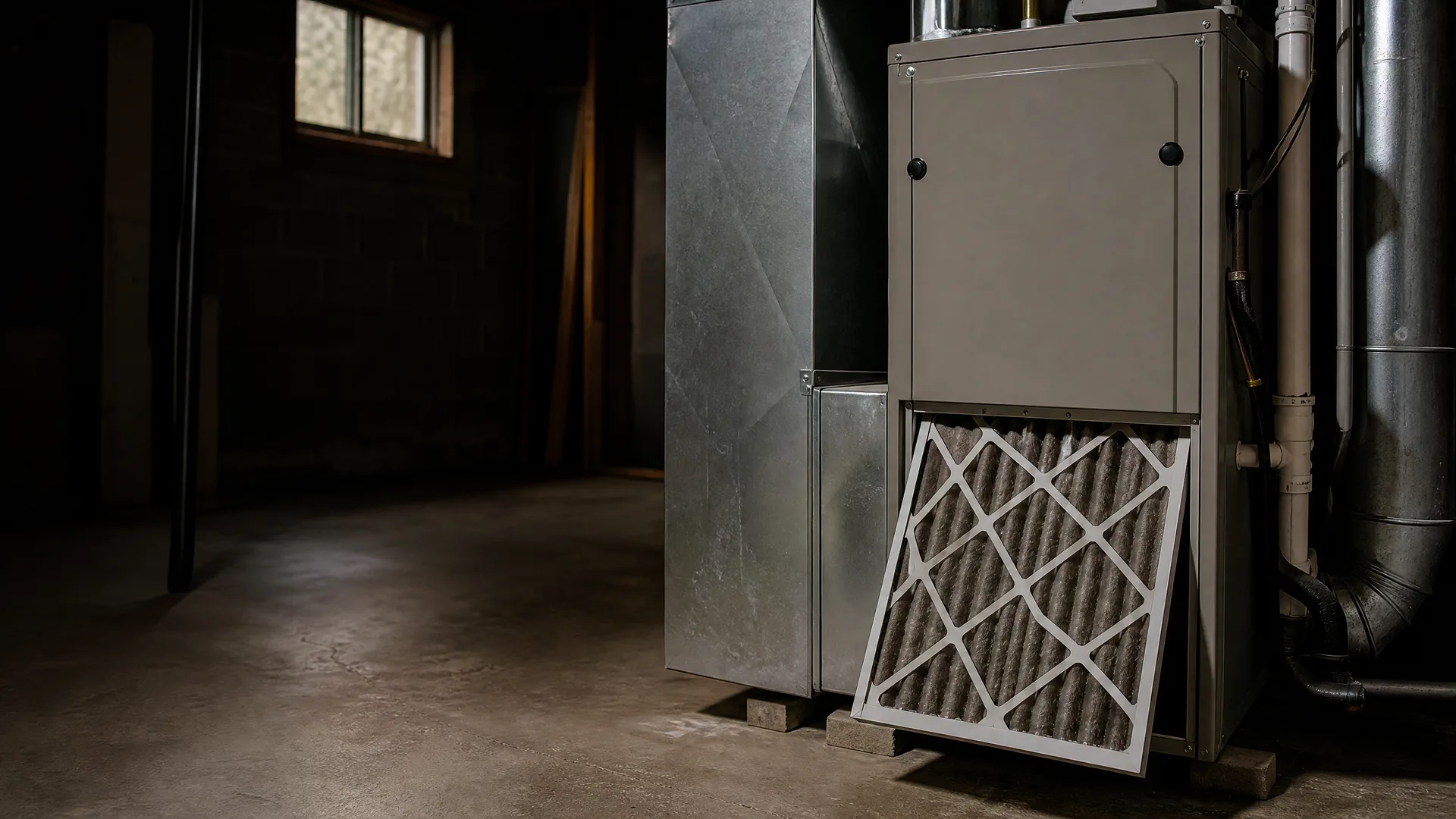
You're down in the basement on a Saturday afternoon in October, the light from the one window already going flat and gray. The furnace cabinet is open and you've got the filter half pulled out, holding it up to see how bad it is. It's gray all the way through, dust packed into the pleats so thick you can't see light through the other side. You can hear the blower running upstairs, the vents pushing air into the living room where it's supposed to be warming up by now. You set the filter down on top of the cabinet and stand there a second, listening to it still run.

A clean filter and a clean blower let your furnace heat the house and shut off. That's the whole answer. Everything else on this page is just what gets in the way of that: dust on the coils, a filter that's been in there too long, a blower working harder than it should through a cold Oregon night.
You could spend a Saturday finding someone to look at it, calling a few places, explaining the same thing about the blower running long after the house feels warm. Or you could skip that part. Answer a few questions about your furnace and your house, and a contractor who handles this kind of maintenance gets in touch with you directly. The furnace still needs the work done. You just don't have to go find who does it.


A local pro for your furnace maintenance