Below 60% is normal indoors
Indoor humidity above that gives condensation more to work with. A repair that fixes a duct leak or a stuck damper takes away the moisture the vent needs to sweat.

Hand off the search today
Sweat on your vents means something warmer than the air inside is hitting them, and that usually traces back to the duct or the air conditioner itself. This page walks through why it happens and what it tends to mean for your system. When you're ready, send the form and let a local contractor take it from there.
Send it todayWet vents mean the metal is colder than the air around it, so moisture in the room is landing on it and turning to water, the same way a cold glass sweats on a warm day. Usually the duct running to that vent isn't sealed well, so it's pulling in humid air from the attic or crawlspace and cooling it fast as it passes through, or there's not enough insulation wrapped around the duct to keep the cold in where it belongs. Summers in Oregon don't carry the heavy, sticky air some places get, so if vents are sweating here, the gap between the duct and the room air is usually doing more of the work than humidity is. Left alone, that moisture can soak into drywall or insulation around the vent and the damage shows up well after the sweating started.




Every duct carrying cooled air is a cold surface sitting inside a warmer space, whether that's an attic, a crawlspace, or just the gap behind your drywall. Warm air always wants to touch that cold metal, and the moment it does, moisture gives up and turns to water. Most of the time the path in is a seam that's come loose, a boot that was never sealed tight to the ceiling, or insulation that's thin or missing along the run. Where the air meets the metal, that's where you'll find the sweat. Sometimes the duct itself is fine and the problem is that the air conditioner is running colder than it should. A clogged filter or a return that's blocked can choke the system down, and it compensates by pushing out colder air than normal. Low refrigerant does something similar, dropping the coil and the supply air below where the system was designed to sit. A crushed or kinked flex duct adds another piece: air that's moving slower sits against the cold metal longer, which gives it more time to cool and more time to sweat.


Indoor humidity above that gives condensation more to work with. A repair that fixes a duct leak or a stuck damper takes away the moisture the vent needs to sweat.
Flex duct wrapped in its own insulation keeps the cold metal from ever touching warm attic air. A torn or missing wrap on one run is often the only thing letting that vent sweat.

Oregon summers don't feel sticky, and that's not just a feeling. Averaged over where homes are in the state, the summer dew point comes in around 52°F, according to NOAA climate data. That's dry air by most standards. But your air conditioner is still set up to pull moisture out of the house, and when a duct is leaking, it's dragging in whatever humidity is sitting in your attic or crawlspace right onto the cold metal of the vent. Even in a dry climate like this, that's enough to bead up and drip. If you've noticed it, that's worth having a contractor look at before the moisture works into the drywall. Send the form and a licensed local contractor who deals with this kind of leak every summer takes it from there.
NASA POWER T2MDEW county cells weighted by homes
Your request stays with one local pro.
No fee to send it, and nothing to sign.
The water usually shows up on the same vent, in the same room, on the warmest afternoons. A ring on the ceiling or a dark spot on the register itself. If it's a floor vent, you might see it in the carpet or on the wood nearby before you ever look up and see it dripping. It tends to come and go with how hard the air conditioner is running, so a mild week can go by without it, then a hot stretch brings it right back.
Drywall that stays damp long enough softens, and paint will bubble or stain before that happens. If the vent is over a ceiling, the water has somewhere to go that you can't see until a stain shows up below it. A floor vent dripping onto subfloor does the same thing out of sight. None of this happens overnight, but a vent that sweats every warm afternoon all summer is putting water into the same spot for months at a time.
At 15.46 cents a kilowatt-hour, running your air conditioner harder than it needs to shows up fast on an electric bill, especially since most homes here heat with electricity too. A duct leak that's sweating a vent is also pulling in warm air your system has to cool twice, so fixing it isn't just about the water stain.
EIA-861 2025 statewide residential average
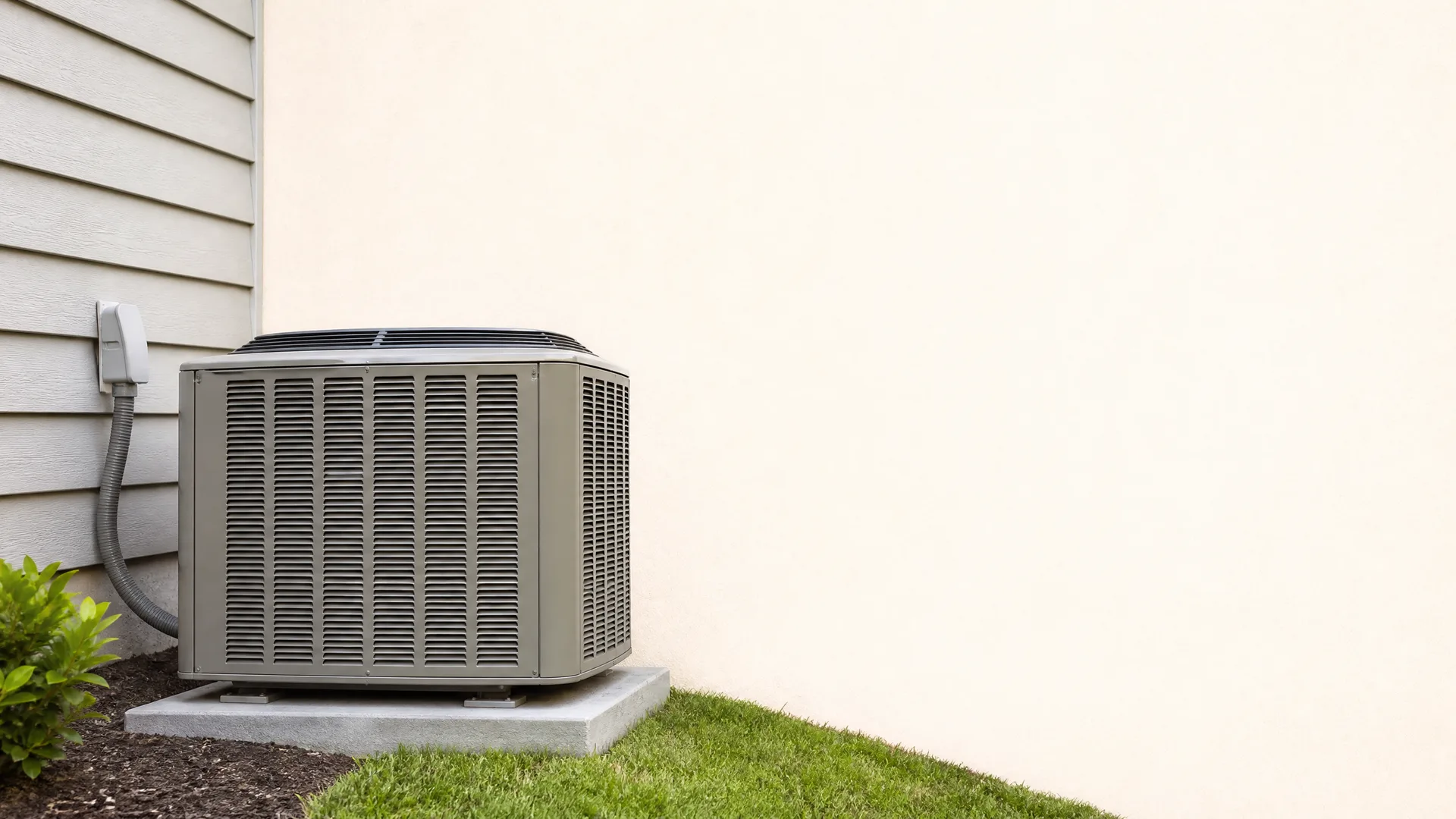
Oregon air doesn't carry much moisture, so a duct leak here can go unnoticed longer than it would somewhere muggy. The vent sweats only on the warmest afternoons, when the gap between the cold duct and the attic air is biggest. Some homeowners see it a few times a summer and figure it's just the heat. It isn't. The duct is pulling in warm air through a seam or a loose boot every time the system runs, not just on the hot days. The hot days are just when you can see it.
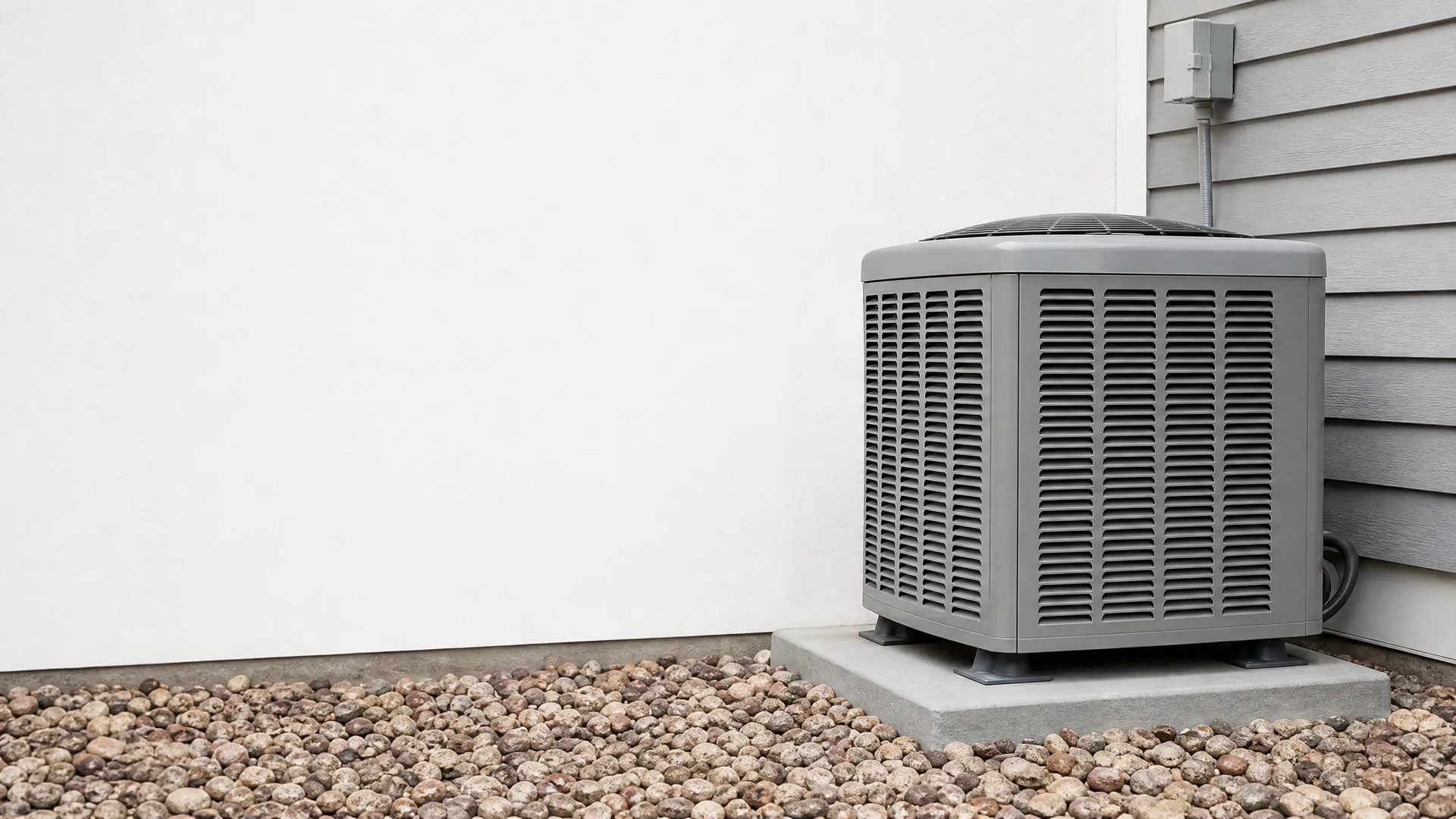
Sometimes the duct is sealed fine and the sweating still happens, because the air conditioner is running colder or longer than the room needs. An oversized unit cools the air fast without pulling much humidity out of it, so the supply air reaching the vent is colder than it should be for how little moisture it removed. A thermostat set too low does something similar. Either way, the metal ends up colder than the dew point in the room, and you get the same wet ring on the ceiling with no leak involved.
Why does only one vent in my house sweat?
Every vent in your house is connected to the same system, but the ductwork isn't uniform. One run might pass through a hotter part of the attic, or have a seam that opened up while the others stayed tight. That single gap is enough to pull in warm air and sweat, while a few feet away another vent on a sealed section of duct stays dry. It's also common for the worst vent to be the one farthest from the air handler, where the duct run is longest and most likely to have a loose joint. A repair technician can pressure test the system and find that one leak instead of guessing at the whole run.


A wet vent is the system telling you where warm air is meeting cold metal it shouldn't be touching. Oregon's dry summer air makes this an easier call than it would be somewhere muggy. Dew points here sit low, so if moisture is beading up on a register, it isn't because the air in your house is heavy. It's because somewhere between the unit and that vent, warm air is finding its way to a cold duct or a loose boot, and condensing the moment it touches it. That's why the same vent sweats on the same kind of afternoon, the hottest stretch of the day, when the gap between the cold air inside the duct and the warm air outside it is as wide as it gets. It also explains why just one room is affected while the rest of the house is fine. That run has a weak point the others don't, whether it's a seam that opened up, a boot that was never sealed tight to the drywall, or a unit outside working harder than it should and pulling extra moisture into a leaky section. None of this fixes itself, and a vent that's been sweating for a while can soften the drywall around it or let water travel into the ceiling or floor below. A contractor who works on these systems through the Oregon summer has likely seen this exact pattern before and knows where to check first.


One request and it's handed off
Your request goes to one pro, not a list of companies.

