
What to do when the heat pump goes out in Oregon

RepairHeat PumpOregon
Step 1 of 2

What ZIP code is the job in?

What do I do when my heat pump stops working in Oregon?

Your heat pump is how most homes here keep warm, so when it quits you want to know what's actually wrong before you decide what to do about it. Maybe it's blowing cold air, not kicking on at all, or running nonstop without warming the place up. The fix depends on which of those you're seeing, but there are a few things worth checking before anything else.

Check the thermostat and breaker first, then call for repair

Start with the simple things. Make sure the thermostat is set to heat and not just fan, and check the breaker panel for a tripped switch, since a heat pump that won't turn on at all is sometimes that simple. If the outdoor unit is caked in ice or buried under storm debris, clearing it can get things moving again. Past that, a heat pump blowing cold air, cycling on and off, or running without ever reaching temperature usually points to something inside it: a failed defrost control, a low refrigerant charge, a bad compressor. Those need a licensed technician to diagnose correctly, especially since your heat pump is likely your only source of heat and electric backup heat will run up your bill fast if the system sits broken for long.

A gray outdoor condenser unit sits on a concrete pad against a house wall with horizontal siding above a stone veneer base, with an electrical disconnect box and conduit on the wall and a leafy shrub in mulch to the left.

Running as it should

Air moves freely through the coil fins, and the unit cycles on and off without strain. With most Oregon homes heating on electricity, a heat pump running clean like this is doing its job efficiently, keeping the house warm through the wet months without driving your power bill up.


An outdoor air conditioner condenser unit on a concrete pad beside a house with beige vinyl siding, with a gray electrical disconnect box and insulated refrigerant lines on the wall and river rock to the right.

Struggling to keep up

Dirt and debris packed into the coil fins choke off airflow, so the unit works harder to move the same heat. Left alone, that strain wears on the compressor and the system can stop heating altogether, right when you're counting on it most.

Is your house actually warm right now?

Walk the rooms farthest from the thermostat. If they feel noticeably cooler than the rest, or the air coming from the vents feels cool rather than warm, the heat pump isn't doing its job even if it's running. Listen for it cycling on and off more than usual, or for a unit outside that's iced over instead of just frosted. Some households notice the outdoor fan isn't turning at all while the indoor blower still runs. Since electricity is how most homes here heat, a heat pump that's working harder than it should to keep up shows up on the power bill before you've pinned down what's wrong. Left alone through a cold stretch, a house that can't recover its temperature puts pipes and anyone sensitive to cold at some risk.

A gray-haired man in a dark sweater sits on a light gray sofa in a living room, looking toward a sunlit window with trees outside.
A gray-haired man in a dark blue sweater sits on a light gray sofa in a sunlit living room, looking off to the side, with a potted plant, shelving unit, and large glass doors behind him.
A bearded man with graying hair in a dark green sweater sits on a sofa in a living room, looking off to the side, with a sliding glass door and a dim kitchen doorway behind him.
A gray-haired man in a dark knit sweater sits on a light gray sofa in a living room, looking toward a sunlit window, with houseplants, a lamp, and framed art in the background.

Power costs 15.46 cents per kilowatt-hour statewide

At that rate, a heat pump running inefficiently, or not at all while you run backup strip heat, shows up fast on the bill. Getting it fixed right instead of just running longer matters more here than in places where power costs less.

EIA-861 2025 statewide residential average

Why the outdoor unit matters most

Most of what goes wrong with a heat pump shows up outside. The outdoor unit pulls heat from the air even when it's cold out, and that only works if air can move through the coil. Frost that doesn't clear on its own, a fan that isn't turning, or branches and leaves packed against the cabinet all stop that process. A heat pump iced over isn't necessarily broken; it may just need a defrost cycle to run, which happens on a timer or a sensor depending on the unit. If the ice stays after a full cycle, something isn't switching over the way it should.

What the reversing valve does

A heat pump uses one part, the reversing valve, to switch between heating and cooling. It's what lets the same unit that cooled your house in August warm it in December. When that valve sticks, the system can run constantly in the wrong mode, or blow cold air no matter where the thermostat is set. It's a single point of failure, which is why a unit that suddenly can't heat, after working fine all summer, often points there rather than somewhere else. A contractor who works on heat pumps regularly checks the valve early, since it explains a lot of symptoms at once.

An outdoor air conditioner condenser unit on a concrete pad beside a light gray vinyl-sided house, with an electrical disconnect box and conduit on the wall and bare soil in the foreground.
Before you get your heat pump repair
A gray outdoor condenser unit sits on a concrete pad beside a house with horizontal lap siding, with a wall-mounted disconnect box and refrigerant lines, mulched beds and a shrub nearby, and a concrete walkway in the foreground.
After you get your heat pump repair

One form, no calling around

Your request stays with one local pro.

You only hire the pro if you want to.

You keep troubleshooting on your own, checking the thermostat settings again, resetting the breaker, waiting to see if it sorts itself out while the house sits at 64 and the strip heat runs up the bill.

A contractor who works on heat pumps all year looks at the outdoor unit, finds what actually failed, and fixes that part. You stop guessing and the house gets warm again.

A woman with shoulder-length brown hair wearing a beige knit cardigan sits in a gray upholstered armchair near a window, looking off to the side with a slight smile, with bookshelves blurred in the background.
A woman and a child wrapped together in a knitted gray blanket on a couch, with the child's head resting on her shoulder and a lit table lamp and houseplant in the background.

A heat pump doesn't make heat the way a furnace does. It moves it, pulling warmth out of the outside air and pushing it into the house, using a reversing valve to switch directions between summer and winter. That's why the outdoor unit works hardest on the coldest days, when there's less heat out there to grab. Below freezing, frost forms on the outdoor coil, so the system runs short defrost cycles to clear it, and the air inside can feel cool for a few minutes while that happens. That's normal. What's not normal is the valve sticking in the wrong position, or the outdoor fan stalling so frost keeps building instead of clearing. Either one chokes off the coil and leaves the house running on strip heat alone, the electric backup in the air handler that was only ever meant to cover the gap. If the heat feels weak specifically on the coldest days, that points to the system running low on refrigerant, not just an odd setting on the thermostat.

How a heat pump makes heat

  • A reversing valve switches the refrigerant flow so the same outdoor unit that cools your house in summer pulls heat from outside air in winter.
  • Below freezing, frost builds up on the outdoor coil, so the system runs a defrost cycle that briefly reverses the valve and feels like cold air blowing inside for a few minutes.
  • A stuck reversing valve can leave the system running backward, which is why a heat pump sometimes blows cold air on a cold day instead of warm.
  • The outdoor fan has to keep moving air across the coil during defrost; if it stalls, frost keeps building until the coil chokes off airflow entirely.
  • Strip heat in the air handler kicks in as backup when the outdoor unit can't keep up or can't run at all, which is why the house stays warm even while the heat pump itself has failed.
  • A low refrigerant charge shows up first as weaker heat on the coldest days, since the system has less to work with exactly when it needs the most.
A gray outdoor condenser unit on a concrete pad beside a light-colored horizontal-siding house, with a disconnect box and refrigerant line on the wall, ornamental grasses and a shrub in mulch nearby, and a concrete patio in the foreground.
Refrigerant lines run clean from the unit to the disconnect box, and nothing around the coil is blocking airflow.
An outdoor condenser unit sits on a concrete pad beside a house with horizontal vinyl siding, with a gray electrical disconnect box and conduit on the wall and a shrub at left.
Frost or ice built up on the coil and the lines, and the unit outside isn't cycling the way it should.

Finding a contractor, two ways

Call someone yourself

  • You're searching for heat pump contractors near you, reading through names you don't recognize, trying to tell one from another.
  • You call two or three, explain the same thing each time: cold air, no heat, ice on the outdoor unit, whatever it's doing.
  • You wait on quotes to come back, then sit with them trying to compare contractors you know nothing about.
  • Some of those calls go to whoever picks up first rather than whoever actually works on heat pumps all winter.
  • Meanwhile the house sits cold, or the strip heat keeps running and the bill keeps climbing while you sort through options.

Request through this page

  • You describe what the heat pump is doing once, and it goes to a licensed contractor local to your part of Oregon.
  • It's one contractor, not five companies calling you back at once trying to win the job.
  • That contractor works on heat pumps all season here and knows what usually fails on them in this kind of cold.
  • You're not the one deciding which stranger to trust. That part's already been done.
  • You skip the back and forth of calling around and comparing quotes from companies you had to find yourself.
  1. The thermostat calls for heat and sends power to the control board.

  2. The reversing valve shifts to pull heat from the outdoor air.

  3. The outdoor fan and compressor start moving refrigerant through the coil.

  4. Warmed refrigerant carries heat inside to the indoor coil.

A closed silver laptop and a glazed ceramic mug on a wooden table, with a blurred kitchen counter, potted plant, cutting board and window in the background.

What a broken heat pump does to your house

With electric heat running most homes here, a heat pump that's down means the thermostat is lying to you. It might say 68 while the room reads cooler, because the strip heat is doing the work the compressor should be doing, and it costs more to run that way. Leave it running like that for a few days and you'll see it on the bill before the house ever warms up right.

Finding someone to look at it shouldn't be its own project. You don't need to search through a list of contractors you've never heard of, call a few, and explain the same thing about the ice on the outdoor unit or the cold air coming from the vents three separate times while you wait on quotes. One contractor who works on heat pumps all winter in this area takes the call, hears what the system is doing, and goes from there.

Interior corner of a living room with a beige upholstered sofa and dark cushion in the foreground, a ceramic vase of leafy branches on a dark side table by a curtained window, a framed picture on the wall, and a wood-surround fireplace at right.
A single-story house with gray vinyl siding, dark shingled gable roofs, and white-trimmed windows, set behind a partly dry green lawn under a clear blue sky.

Summer here doesn't ask much of the heat pump. NOAA puts the average summer dew point across Oregon at 52°F, which is dry enough that the coil outside isn't working hard to pull moisture out of the air along with the heat. That's easy duty compared to winter, when the same unit has to pull heat from cold air and defrost itself doing it. If your heat pump is struggling in July, it usually isn't the weather asking too much of it. Something in the system, a low charge, a weak capacitor, a fan that's not cycling right, is already wearing down before the harder months get here.

NASA POWER T2MDEW county cells weighted by homes

A heat pump that's not heating usually comes down to frost that won't clear, a reversing valve stuck in the wrong position, or a fan or compressor that's stopped cycling the way it should. None of that sorts itself out by waiting, and running strip heat while you wait just adds to the bill. The fix is matching the problem to someone who works on these systems through every Oregon winter and has seen that frozen coil or that stuck valve enough times to know where to look first. You submit the details once, and they go to one licensed contractor local to you, not a handful of companies competing for the callback. No repeating yourself on the phone, no sorting through quotes to figure out who actually knows heat pumps versus who just services furnaces. Just the person who can get your house back to actually warm, working from what you've already told them.

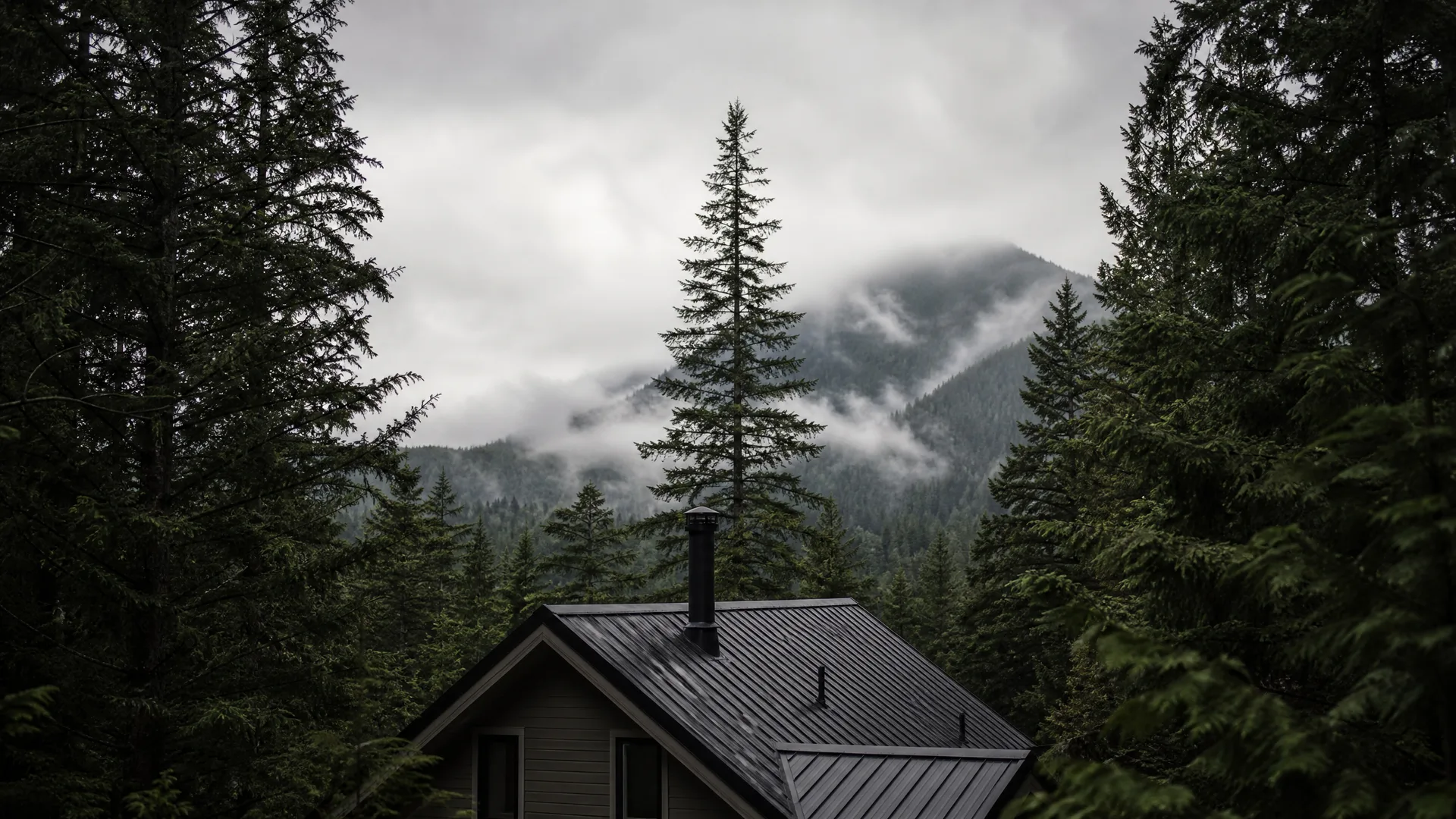
A cabin with a dark metal gabled roof and metal chimney pipe stands among tall conifers, with a cloud-covered forested mountain and overcast sky behind.

Skip the search

Skip the calls

Asking costs nothing, and the choice to hire stays yours.

One call gets a local contractor who works on heat pumps all winter, not a list of names you have to sort through and call one by one, explaining the same problem each time.