Mini Split Installation in Grants Pass, OR
A new system here will heat from October through June and cool from July through August every year. Tell us about the house, and a licensed contractor who covers Josephine County will get in touch.
Tell us about the job
It takes about a minute.
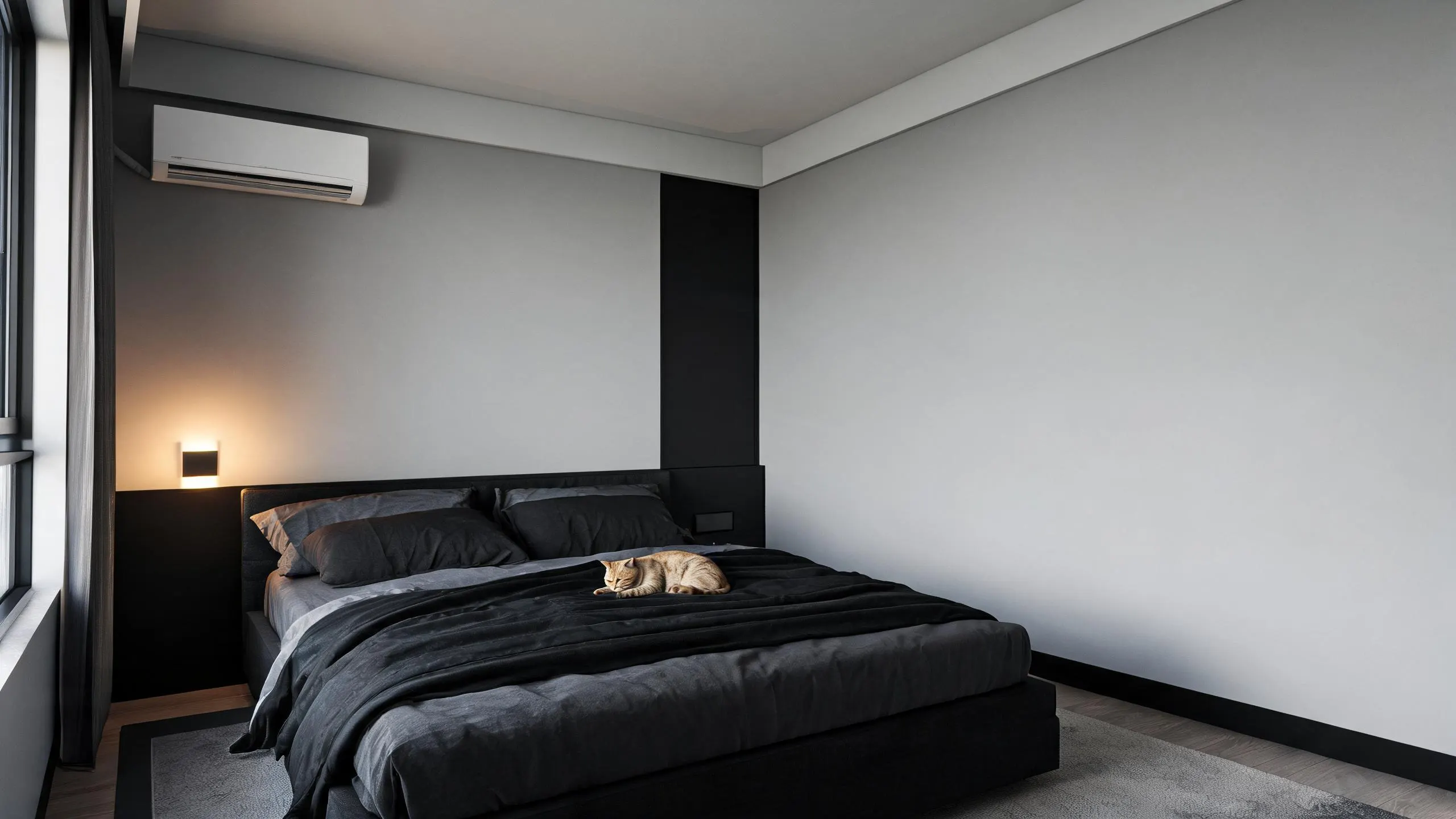
Grants Pass asks a mini-split to run almost year-round
Your mini-split heats October through June and cools in July and August, so it is working 11 months out of the year. Winter nights average 33°F. Summer afternoons average 79°F. That is a long stretch for one system, and it means the unit you install needs to hold up on both ends, not just get you through summer.
56.2% of homes here heat with electricity, so the mini-split you choose is likely doing real work, not just topping off another furnace. Any unit installed new has to meet the federal minimum of 14.3 SEER2 for cooling and 7.5 HSPF2 for heating. Josephine County has also logged 37 winter storms and 53 damaging wind events over the past ten years, and in Oregon, 20% of households went at least 24 hours without power in 2024. Worth asking how the system you install handles a restart once the power comes back.
- 9 months
- October through June, your system heats
- 2 months
- July through August, it cools
- 33°F
- the average winter night it heats against
- 79°F
- the average summer afternoon it cools against
NOAA nClimDiv, 1991–2020 normals
Oregon requires HVAC contractors to hold a state license.
The Construction Contractors Board licenses the contractor, not the job itself, so that record covers the business doing the work, not this specific install. Work under $1,000 falls outside that requirement, but a mini-split installation runs well past that line, so the contractor doing this job needs to hold the license.
In most cities and counties here, installing a mini-split needs a permit from the local building office, with an inspection once the work is finished. That inspection checks the installation itself, the mounting, the wiring, the way the unit is set up, separate from whatever the state license already says about the contractor.
Source: Oregon Legislative Assembly
- Is a mini split worth it?
- For most homes it is, especially if you're heating with electric resistance or an old system that struggles in winter. A mini split is a heat pump, so it moves heat instead of generating it, which uses less energy than baseboard or furnace heat. Here, homes need heat from October through June, nine months a year, so a system that heats efficiently through a long, cold stretch has more chance to earn its keep than in a place with a short winter. Winter nights average 33°F, and a modern mini split heat pump is built to handle that range.
- How many rooms can a mini split cover?
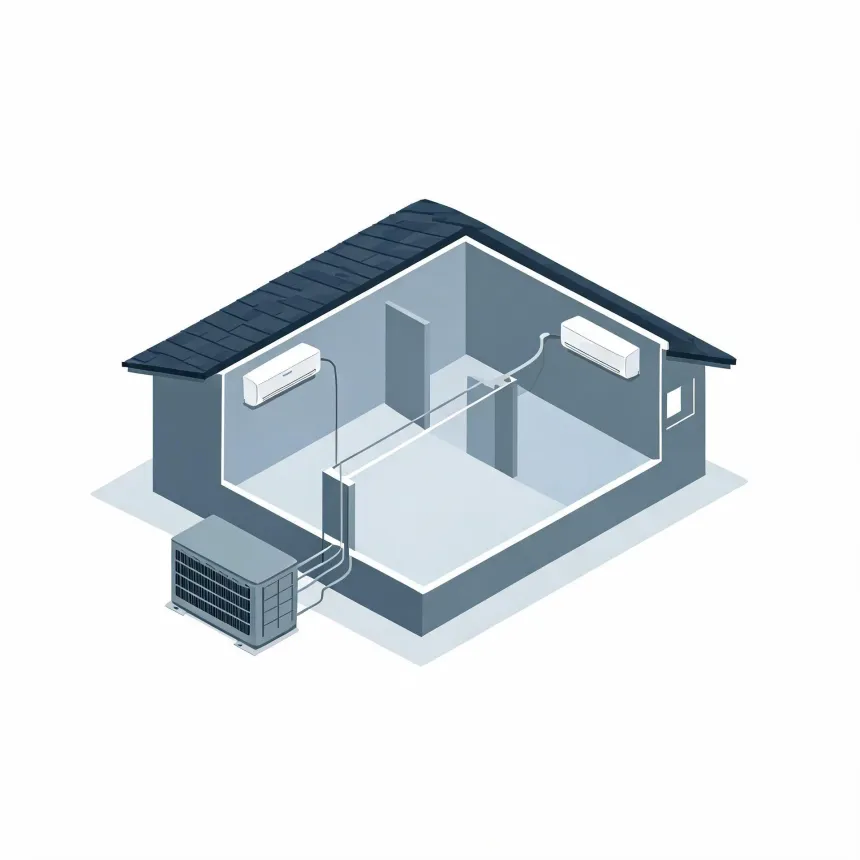
- It depends on how many indoor heads are installed, not on the outdoor unit alone. A single-zone system heats and cools one room or open area well. A multi-zone system splits capacity across several indoor heads, so a contractor sizes it against the square footage and layout of each room you want covered, not just the room count. More zones on one outdoor unit means less capacity to spread around, so a contractor will size the equipment to the actual rooms rather than a general rule.
- Can a mini split heat a whole house?
- Yes, with enough indoor heads placed and sized for the rooms they serve. A mini split works room by room, so covering a whole house means running a zone to each area that needs heat, not just the main living space. Homes here need heat nine months of the year, October through June, with winter nights averaging 33°F, so the system has to be sized for that cold rather than for a mild climate. A contractor can work out how many zones your house needs and where they go.