
The vent clear
This is what a clear vent looks like from outside. The hood sits flush against the siding and the louver hangs open, ready to swing wide once the dryer starts pushing air. Nothing blocks the opening.
Yes. A clogged dryer vent is a real fire risk, and it works the same way in Oregon as anywhere else. Lint is what burns, not the dryer itself. Every load sheds lint, and some of it never makes it to the trap. It builds up along the vent walls and inside the hood flap, and once airflow is restricted, the dryer runs hotter because the heat it makes has nowhere to go. That heat sits against trapped lint, which ignites easily. You'll notice the signs before most people think to look: clothes take two or three cycles to dry, the dryer feels hot to the touch, or the room gets warmer than it used to. A dryer running longer and hotter than it should is the clearest warning sign there is. The fix isn't a different dryer. It's a clear path for the air to leave your house.
At 15.46 cents a kilowatt-hour, running a dryer harder than it needs to costs you more here than in most states. A clogged vent traps heat and makes the dryer work extra cycles to dry the same load, so you pay more while the lint keeps building up where it can catch.
EIA-861 2025 statewide residential average
A dryer works by pushing heated air through wet clothes and out through a duct to the outside wall. The heating element gets hot enough on its own to light lint if that air stops moving the way it should. Lint is the fuel. It sheds off every load, and the trap only catches part of it. The rest rides the airflow down the duct and settles wherever the path bends, narrows, or gets crushed flat. That's usually not inside the dryer itself. It's the run of hose or rigid duct between the back of the machine and the vent hood on the outside wall. A flexible hose that got kinked when the dryer was pushed back against the wall creates a narrow spot where lint catches first, and the buildup grows from there every time you run a load. Outside, the hood has a flapper that's supposed to swing open when the dryer runs and close when it's off. If you watch it and it barely moves, or doesn't open all the way, that's airflow telling you it's already fighting a restriction somewhere behind it. A load that used to dry in one cycle and now takes two or three isn't a dryer getting old. It's hot air backing up against lint that has nowhere to go, which is the same condition that lets a stray spark or overheated element reach fuel that shouldn't be there.


Towels come out warm instead of dry, and you run the cycle twice to finish a load that used to take one. The dryer feels hot to the touch on top or along the side. The laundry room gets warmer than the rest of the house while it's running. Outside, the vent hood flap barely lifts, or you see lint caught in it. You might catch a burning smell, faint at first, especially partway through a cycle. Behind the dryer, the exhaust duct feels warm. None of this is just an inconvenience. A dryer working that hard, with heat and lint trapped in the same space, is a dryer closer to starting a fire in your home than one venting freely.

This is what a clear vent looks like from outside. The hood sits flush against the siding and the louver hangs open, ready to swing wide once the dryer starts pushing air. Nothing blocks the opening.

Here the louver can't close. Lint has packed the opening so full it pushes out past the cover itself. Air that should be leaving the house is backing up into the duct instead, with nowhere to go but toward the dryer.


Send the form and the dryer vent cleaning stops sitting on your list.
You only hire the pro if you want to.
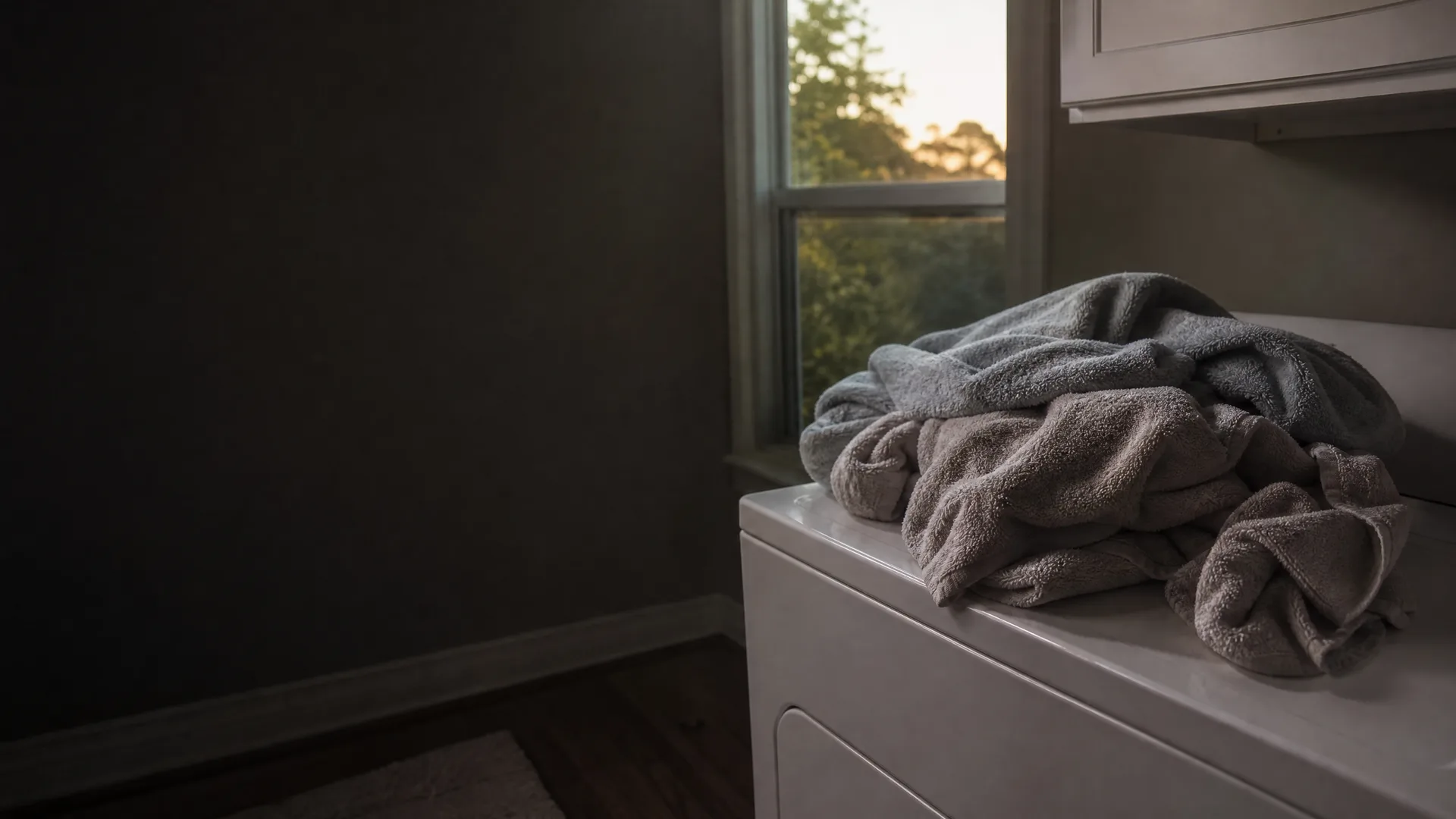
It's a little past seven on a weeknight and you've run the same load twice. The towels are still damp, piled on top of the dryer because the rack is already full. The room feels warmer than the rest of the house, warm enough that you notice it on your arms when you reach for the lid. Outside it's a mild Oregon evening, nothing the weather should explain. You rest a hand on top of the dryer and it's hot, hotter than it should be for a machine just finishing a cycle. You stand there a second, towels in your arms, deciding whether to run it a third time or just hang them over a chair instead.

This is what the outside termination looks like when air is moving the way it should. The cap sits flat against the siding and the screws hold it tight. When the dryer kicks on, the damper swings open and stays open until the cycle ends.

Lint has packed in behind the flap until it props the cover open on its own, even with the dryer off. That gray buildup is the fuel sitting right at the point where hot exhaust air meets the outside wall. It only takes a spark to set it going.

A clogged dryer vent is a fire risk, and the fix isn't complicated. Lint builds up whether you notice it or not, and the only way to know your vent is clear is to have someone look at it and clear it out. Everything on this page points to the same place: a vent that moves air the way it's supposed to, and a dryer that isn't sitting there heating up against a pile of its own lint.
If any of this matched what you've been seeing, towels that won't dry in one cycle, a dryer that runs hot, a laundry room warmer than it should be, that's worth acting on rather than watching for a while longer. Send in your request and a contractor who handles vent cleaning in your area will reach out to you directly. From there it's between you and them, and it's off your plate.





Get the right pro for your dryer vent
Send the form and finding a dryer vent cleaner is handled.

