
HVAC Installation in Corvallis, OR
Tell us about the house, and a licensed contractor who covers Benton County will get in touch.
Tell us about the job
It takes about a minute.
Nine months of heat, and not much summer to speak of
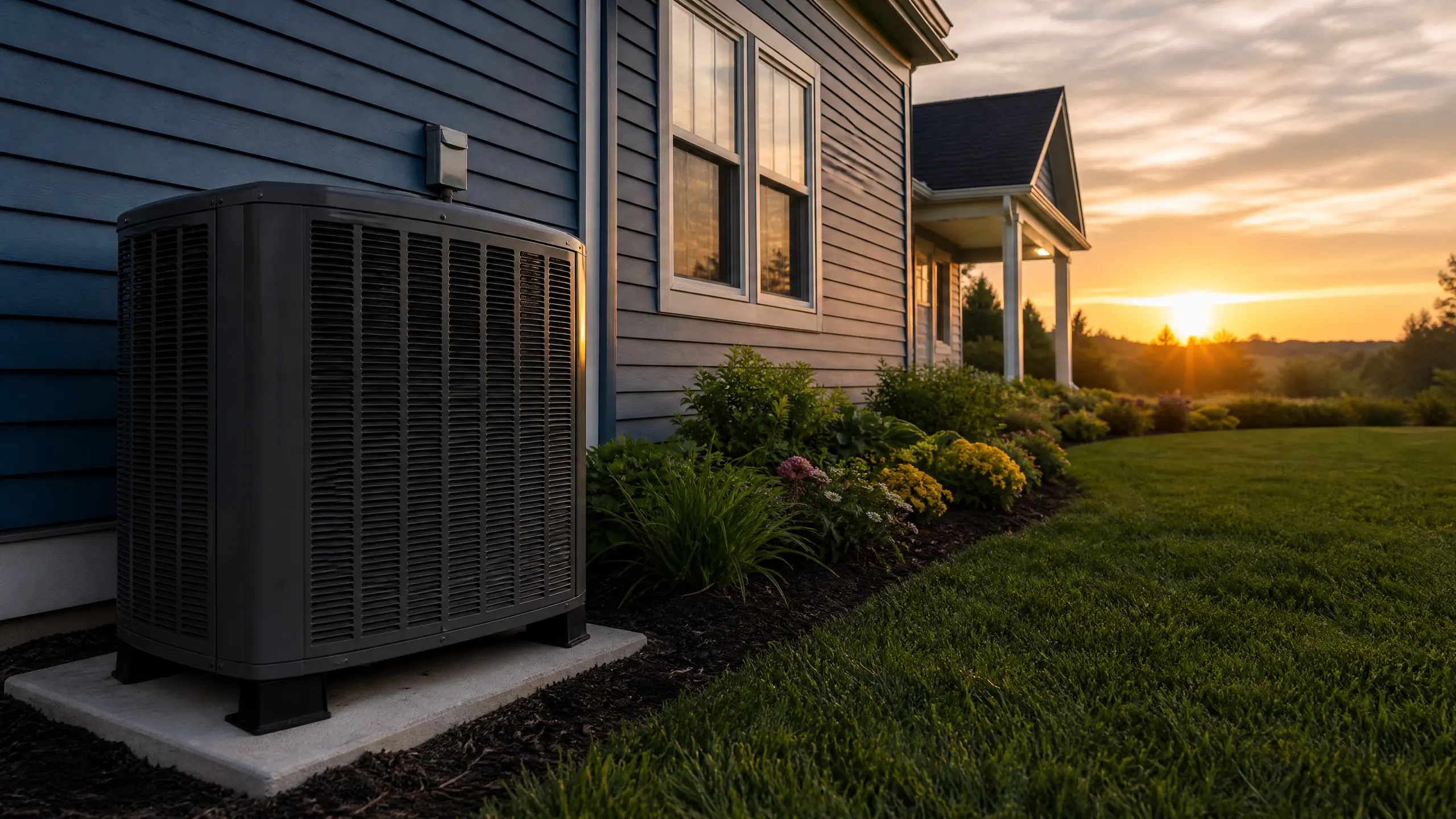
Corvallis needs heat from October through June. That is nine months of the year, with winter nights averaging 35°F from December through February. Whatever you install has to carry the house through most of the calendar, not just a few cold weeks.
Summer afternoons average 79°F here, mild enough that cooling is not the main job a new system has to do. 55.1% of homes here heat with electricity, so if you are choosing a furnace or an electric heat pump, it is worth knowing that 20% of Oregon households lost power for at least 24 hours in 2024. Benton County has recorded two damaging wind events over the past ten years, and either can leave a house without heat until the power is back.
- 9 months
- October through June, your system heats
- 35°F
- the average winter night it heats against
- 79°F
- the average summer afternoon it cools against
Oregon requires HVAC contractors to hold a state license.
The Construction Contractors Board licenses the contractor, not the job. That license is tied to the business doing the work, and it stays in place across every job that contractor takes on. The one exception is work under $1,000, and a heating and cooling installation costs well past that, so this job needs a licensed contractor.
The license tells you the contractor was tested and is on record with the state. It does not by itself check the work once it's done. That comes from the permit. Most cities and counties require a permit from the local building office for this kind of installation, along with an inspection when the work is finished.
Source: Oregon Legislative Assembly
- When should I replace my HVAC system?
- Replace it when repairs keep coming up or the system can't hold the house at temperature anymore. An aging furnace or air conditioner that needs a contractor out more than once a season is telling you it's done. Here the furnace runs October through June, so a breakdown mid winter means going without heat while a part gets ordered. If the equipment is old and something just failed, that's usually the point to stop repairing and plan the replacement instead.
- Should I replace my furnace and air conditioner at the same time?
- If both are old, it usually makes sense to replace them together. A furnace and air conditioner installed years apart wear out at different times, and pairing new equipment with an aging unit on the other side means the new piece isn't running the way it was designed to. Homes here need cooling for none of the year, so if the air conditioner sees little use and still runs fine, there may be no reason to replace it just because the furnace has to go. A contractor looking at both units can tell you whether one still has useful life in it.
- What happens during an HVAC installation?
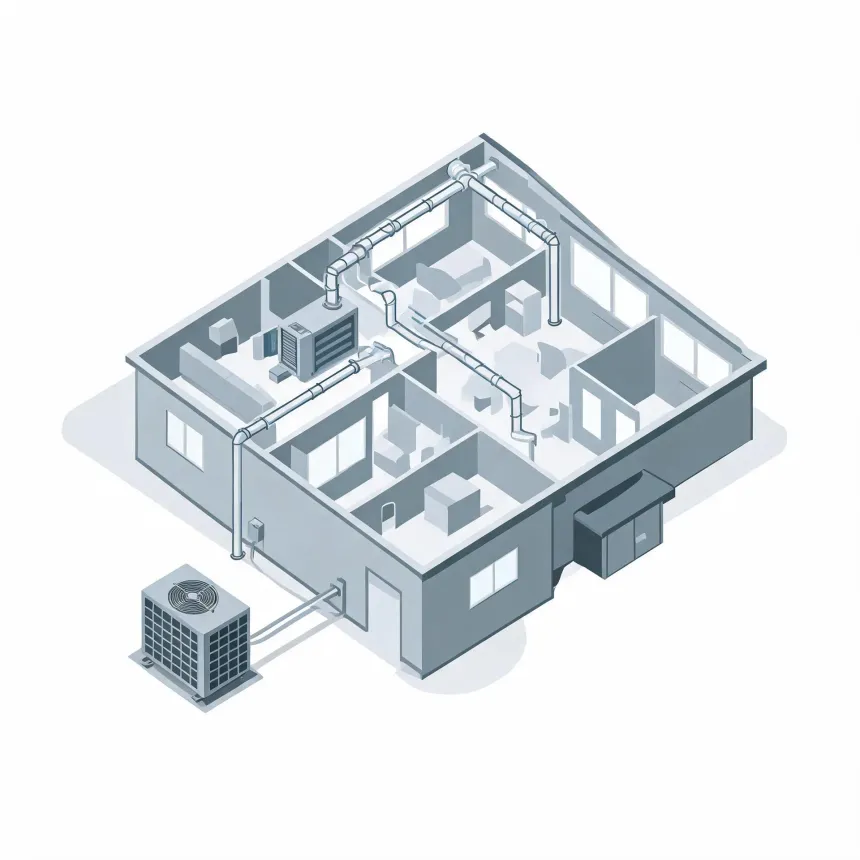
- A contractor removes the old equipment, sets the new furnace, air conditioner or heat pump in place, and connects it to the ducts, gas line or refrigerant lines, and electrical. Once it's in, they test it, check airflow, and confirm it's sized right for the house. This work needs a permit from the local building office, and an inspector checks it when it's done. Oregon requires the contractor doing the work to hold a state license through the Construction Contractors Board, so it's worth confirming that before anything starts.