
HVAC Installation in Coos Bay, OR
Tell us about the house, and a licensed contractor who covers Coos County will get in touch.
Tell us about the job
It takes about a minute.
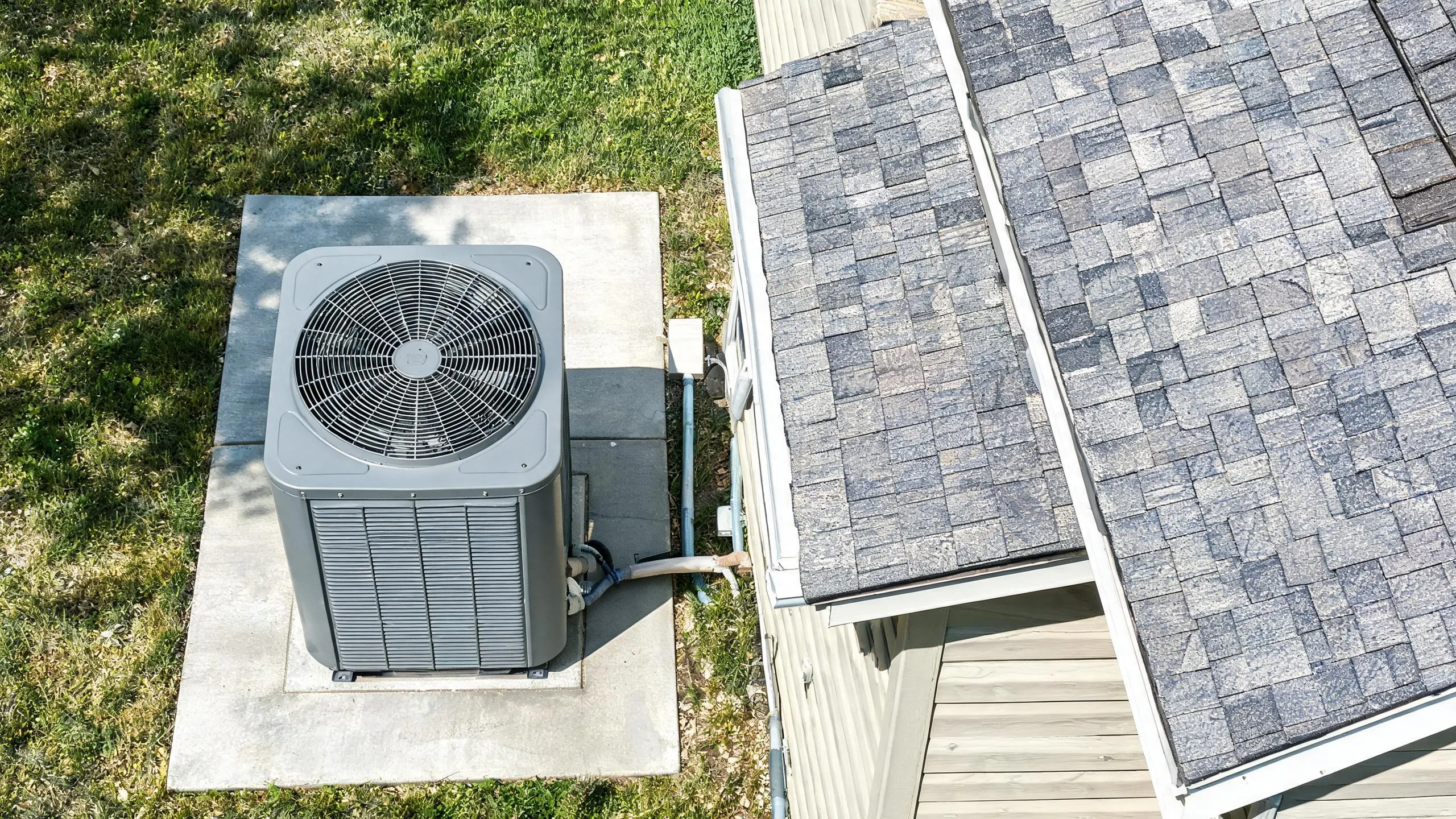
A new system here works mostly on the heating side
Coos Bay asks for heat nine months of the year, October through June, with winter nights averaging 37°F. That is a long, steady demand rather than a few hard freezes. Summer afternoons average 73°F, so the cooling side of a new system will run rarely by comparison. Whatever gets installed has to be sized and set up for a heating load that runs most of the year, not a cooling load that barely shows up.
Most homes here heat with electricity, so a heating system that leans on the power grid deserves a second look. Coos County has seen 24 winter storms and 74 damaging wind events over the past ten years, and across Oregon, 20 percent of households lost power for at least 24 hours in 2024. A system's ability to keep the house warm through a stretch like that is worth asking about before installation, not after.
- 9 months
- October through June, your system heats
- 37°F
- the average winter night it heats against
- 73°F
- the average summer afternoon it cools against
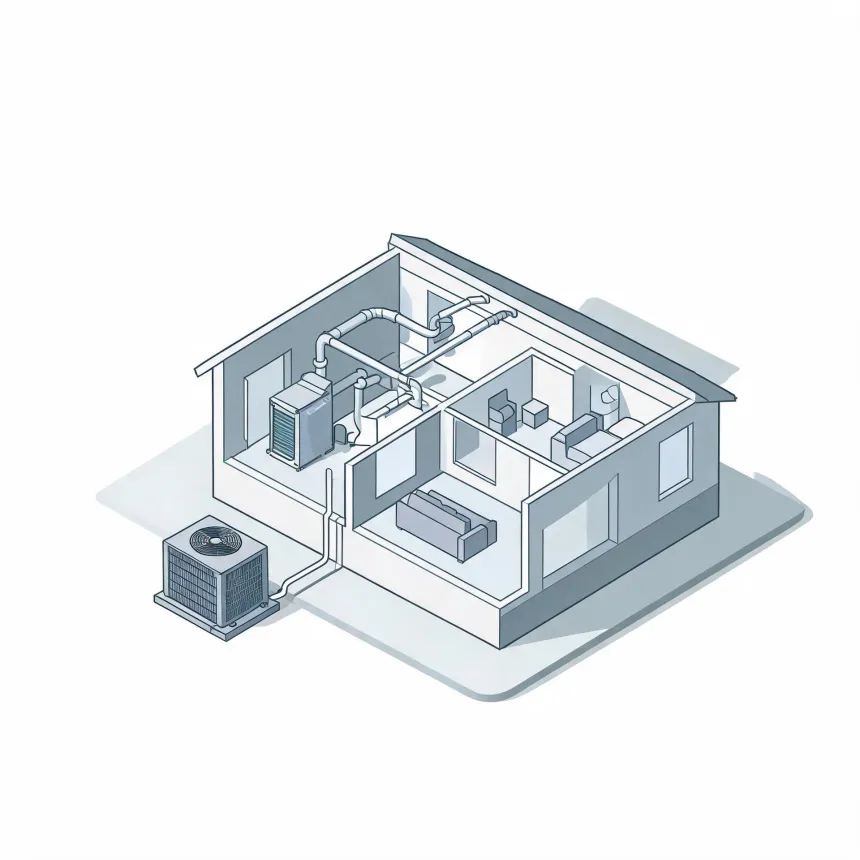
Oregon requires HVAC contractors to hold a state license.
The Construction Contractors Board licenses the contractor, not the job. That license covers the person or company taking the work under their name, not this specific installation. Oregon carves out one exception. Work under $1,000 does not need a licensed contractor. A full heating and cooling system installation runs well past that, so the contractor on this job needs the license.
Most cities and counties in Oregon also require a permit before a furnace, air conditioner or heat pump goes in, and an inspection once the work is done. That permit and inspection come from the local building office, separate from the state license.
Source: Oregon Legislative Assembly
- When should I replace my HVAC system?
- Replace it when repairs keep coming back or the system can't hold the house at a comfortable temperature anymore. A furnace or heat pump losing efficiency shows up as higher bills and rooms that stay cold, and that matters here since homes need heat from October through June. If a contractor is getting called out season after season for the same unit, or parts are getting hard to find for it, replacing it usually costs less over time than keeping it running.
- Should I replace my furnace and air conditioner at the same time?
- If they are original to the house and close in age, yes, it often makes sense to replace them together. A furnace and air conditioner are built to work as a matched pair, and pairing an old furnace with a new air conditioner can keep the new unit from running the way it was designed to. A contractor can look at both and tell you whether one is close enough behind the other to justify replacing them at the same time.
- What happens during an HVAC installation?
- A contractor removes the old equipment, sets the new furnace, air conditioner, or heat pump in place, and connects it to the existing ductwork, gas line, refrigerant lines, and electrical. Once it's running, they check airflow, refrigerant charge, and gas pressure to make sure the system is working correctly. In most Oregon cities and counties, this job needs a permit from the local building office and an inspection when the work is done, and Oregon requires the contractor doing the work to hold a state license through the Construction Contractors Board.