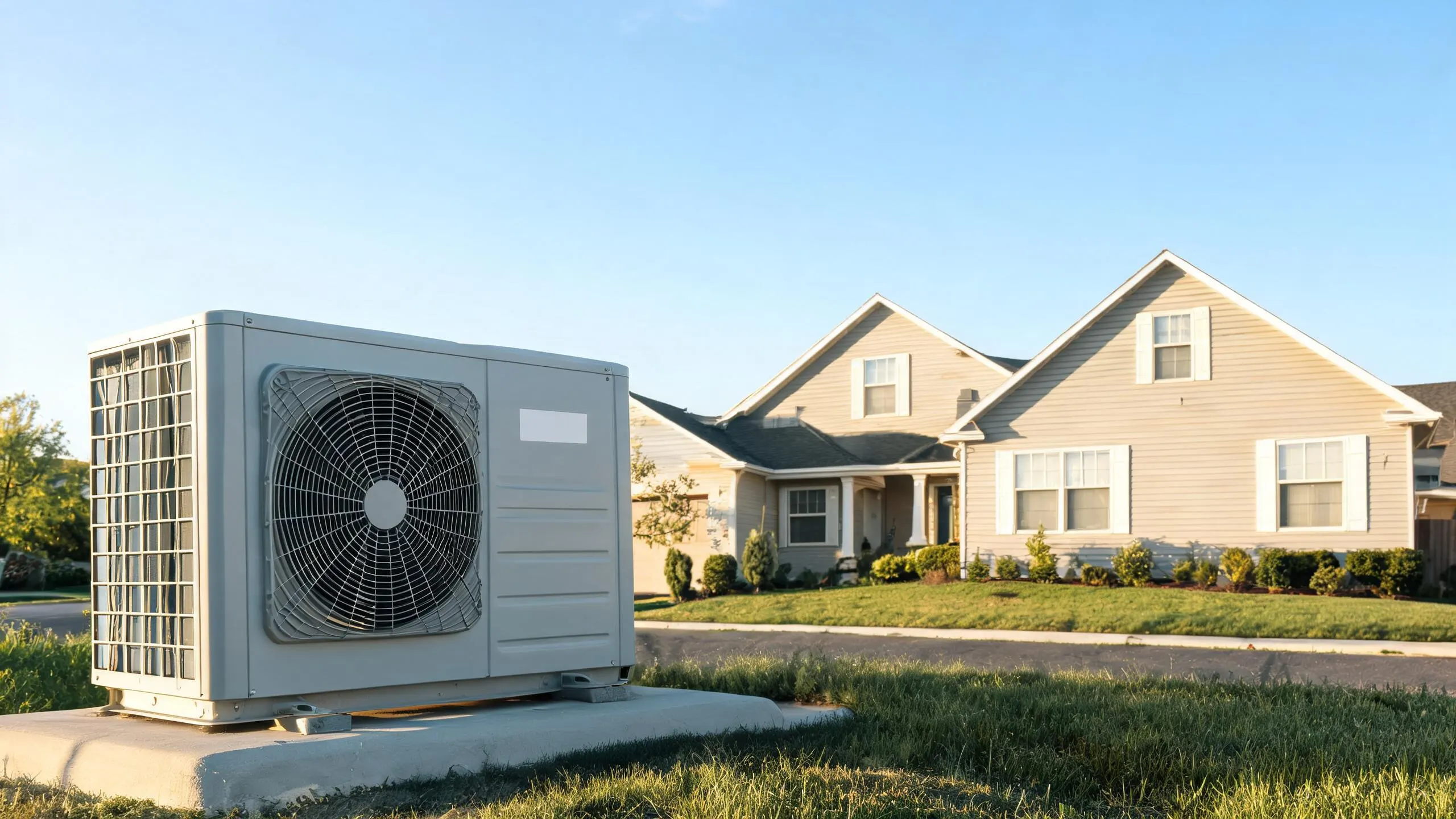
Heat Pump Repair in Portland, OR
Homes here need heat from October through June and cooling from August through August. If your system quits, tell us what it's doing and a licensed contractor who covers Multnomah County will get in touch.
Tell us about the job
It takes about a minute.
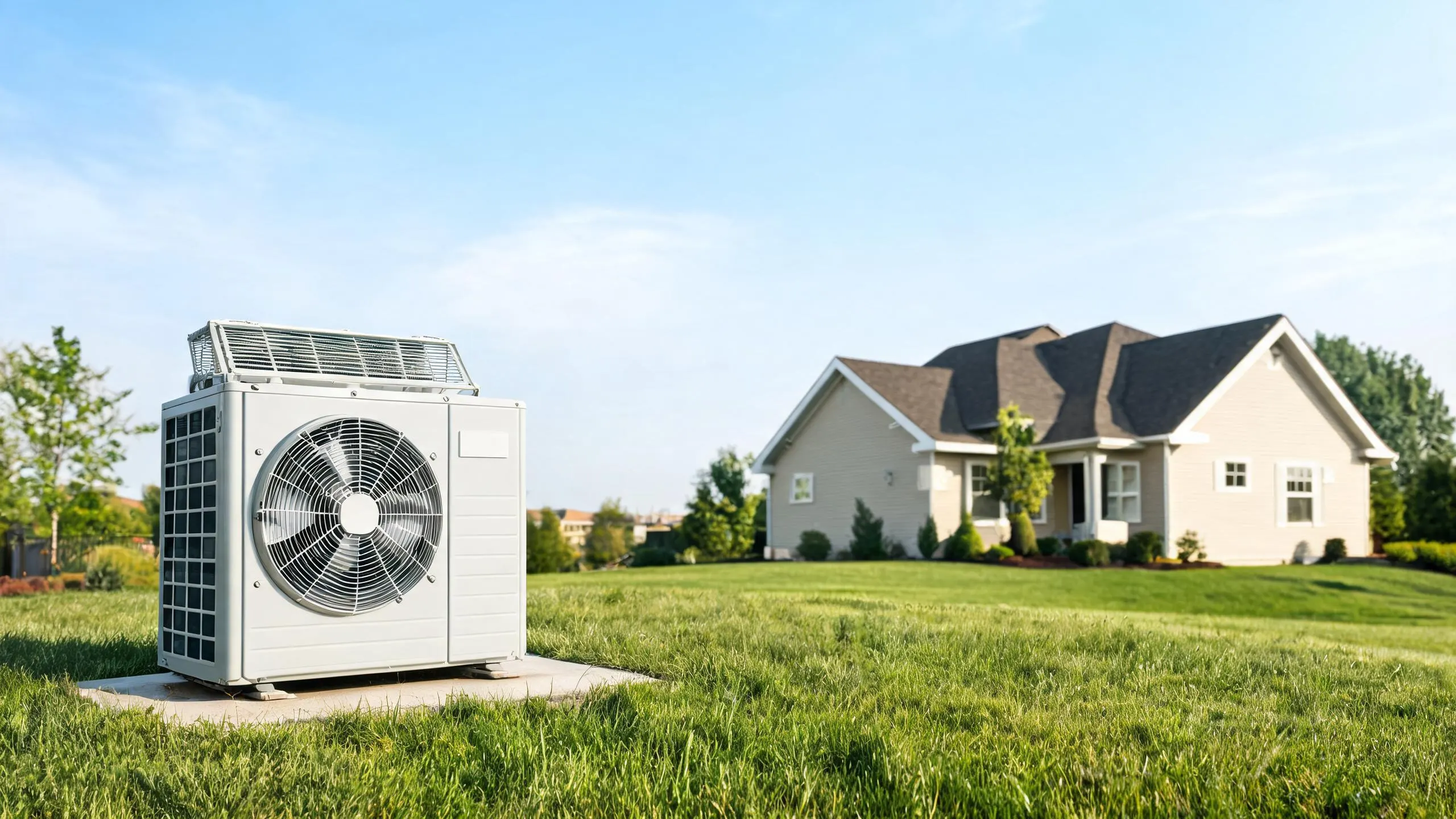
Nine months of work with almost no break
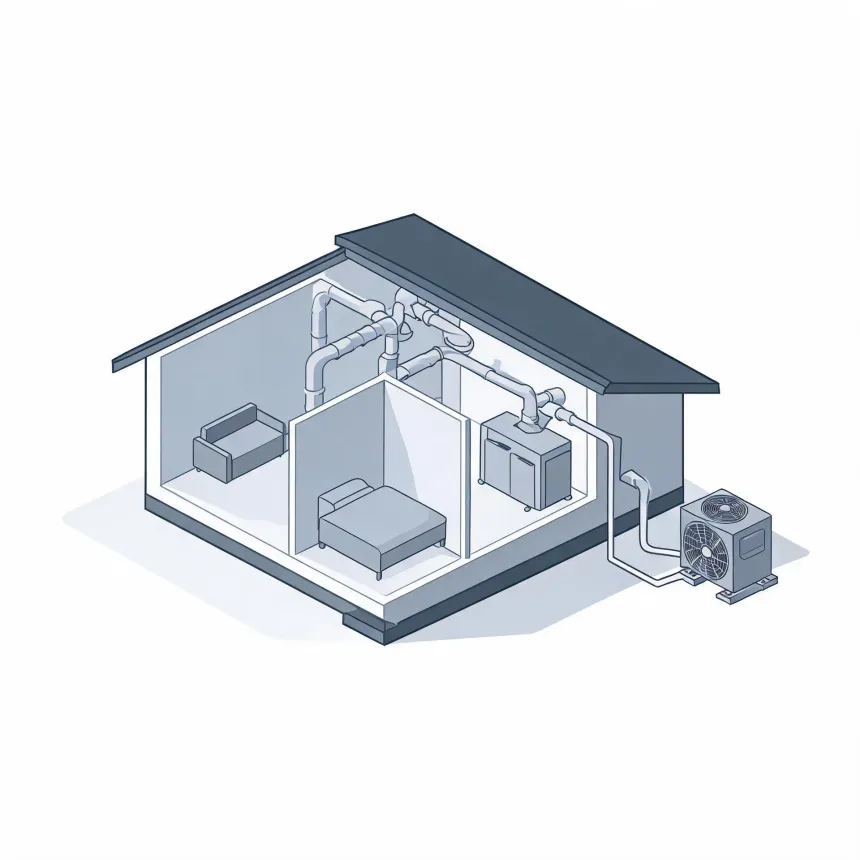
Your heat pump runs from October through June here, then gets asked for a few weeks of cooling in August. It barely gets a season off. Winter nights average 34°F, which is mild enough that the system leans on the compressor and defrost cycle instead of backup heat, and that near-freezing range is exactly where a heat pump has to work hardest to pull warmth out of the air. That kind of steady demand wears on the reversing valve and the defrost control board, the parts that switch the system between heating and cooling and manage the frost that builds up on the outdoor coil.
Half the homes here heat with electricity, so when the heat pump falters, there is often no furnace to fall back on. Add in the storms this area sees, 29 winter storms and 17 damaging wind events over the past ten years, and the power interruptions that come with them, and a system that was already struggling has to restart and recover more often than it should. You will notice it as a house that will not hold its temperature, an outdoor unit caked in ice that never clears, or a system that runs constantly and still cannot keep up.
- 9 months
- October through June, your system heats
- 1 months
- August through August, it cools
- 34°F
- the average winter night it heats against
- 76°F
- the average summer afternoon it cools against
NOAA nClimDiv, 1991–2020 normals
Oregon requires HVAC contractors to hold a state license.
The Construction Contractors Board keeps that license, and it belongs to the business, not to any one job. In Oregon, repair work under $1,000 does not need a licensed contractor at all, so a small heat pump fix can fall outside that requirement depending on what the job costs.
Whoever opens the sealed refrigerant side of your heat pump needs EPA Section 608 certification. That is a federal rule, not a state one, and it applies no matter where you live or what the repair costs.
Source: Oregon Legislative Assembly
- Why is my heat pump blowing cold air?
- In heating mode, a heat pump does not put out air as hot as a furnace, so it can feel cold on your skin even when it is working right. Hold your hand near a vent and compare it to room temperature rather than to how a furnace felt. If the air is actually cold, or cooler than room temperature, check that the outdoor unit is running and not iced over. A refrigerant leak or a failed reversing valve will also give you air that never warms up, and both need a licensed contractor to look at the sealed system.
- Why is there ice on my heat pump?
- Some frost on the outdoor unit during a cold snap is normal, and the system defrosts itself on a timer. Ice that stays, builds up thick, or covers the coil is not normal. That usually means airflow is blocked, either by snow or debris around the unit, a dirty filter, or a fan that has stopped turning. Low refrigerant can also cause heavy icing, and that requires an EPA-certified technician since it means opening the refrigerant side of the system.
- Why is my heat pump running but not cooling?
- If the outdoor unit and indoor blower are both running but the air is not cool, start with the filter and the outdoor coil. A clogged filter or a coil packed with leaves and debris starves the system of airflow, and Portland's afternoons only need to hit 76°F to make that shortfall obvious. If both are clear and it still is not cooling, the refrigerant charge is a likely cause, and checking that means a contractor licensed to work on the sealed system.