Heat Pump Installation in Tillamook, OR
Tell us about the house, and a licensed contractor who covers Tillamook County will get in touch.
Tell us about the job
It takes about a minute.
Ten months of the year, this is what heats your house
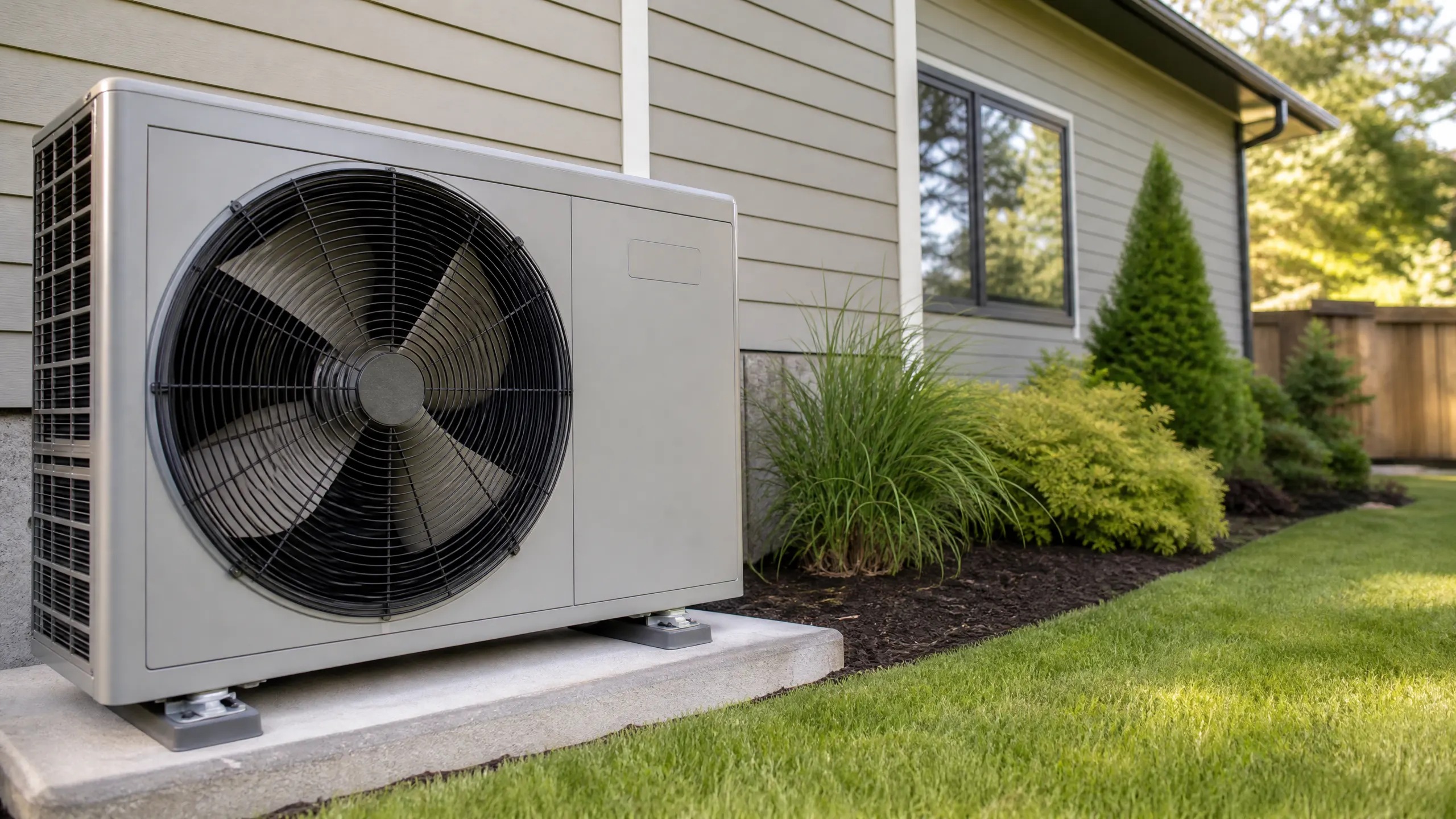
Winter nights in Tillamook County average 35°F from December through February, and most homes here need heat from September clear through June. That is ten months of the year your heat pump carries the load, not just the cold months. Summer stays mild, averaging 70°F in the afternoon, so the same system barely has to work on the cooling side.
A heat pump installed here has to be sized for steady winter demand more than summer peaks. Any split system installed new has to meet the federal minimum of 7.5 HSPF2 for heating and 14.3 SEER2 for cooling, so the heating side is the one worth asking about when you compare models. Most homes here heat with electricity, and with a fifth of Oregon households losing power for a day or more in 2024, it is worth asking how the system you choose handles a power interruption on a cold night.
- 10 months
- September through June, your system heats
- 35°F
- the average winter night it heats against
- 70°F
- the average summer afternoon it cools against
Oregon requires HVAC contractors to hold a state license.
The Construction Contractors Board licenses the contractor, not the job itself. That license stays with the business and follows it from one house to the next. Oregon carves out an exception for small jobs, work under $1,000 does not need a licensed contractor, but a heat pump installation runs well past that line.
In most cities and counties here, a heat pump installation also needs a permit from the local building office, with an inspection once the work is done. The permit is what puts the job on record at your address, and the inspection is what confirms it was done right.
Source: Oregon Legislative Assembly
- Is a heat pump better than a furnace?
- It depends on what you're heating with now. A heat pump moves heat instead of burning fuel to make it, so it costs less to run than electric resistance heat, and here almost 8 in 10 homes heat with electricity. Winters average 35°F at night, which is within the range a modern heat pump is built to handle. If you're comparing against a gas furnace, that's a different question, and a contractor can walk you through what fits your house.
- What's the difference between a heat pump and an air conditioner?
- An air conditioner only cools. A heat pump does the same job in summer, but it can also run in reverse and pull heat from outside air into your house in winter. Homes here need cooling zero months a year but need heat or cooling ten months a year, so the heating side of a heat pump is doing most of the work in this climate.
- Does a heat pump work in cold weather?
- Yes. Modern heat pumps are built to keep pulling heat from outside air even when it's cold, and they lose some capacity as the temperature drops, not the ability to run. Winter nights here average 35°F, which is mild enough that a properly sized heat pump will cover your heating load through the season without much strain.