
Dryer Vent Cleaning in Bend, OR
Tell us about your home, and a licensed contractor who covers Deschutes County will get in touch.
Tell us about the job
It takes about a minute.
Step 1 of 3: Equipment

Cold air turns dryer lint into a wall of buildup
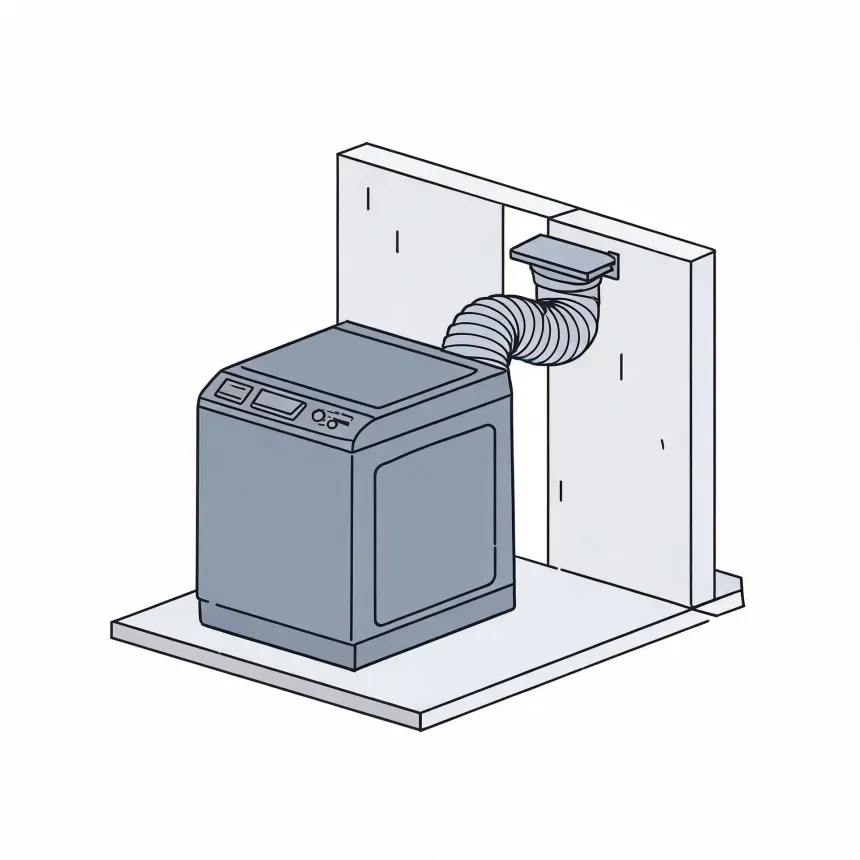
Your dryer pushes warm, damp air out through the vent every time it runs. On a night near 22 degrees, that vent is cold all the way through. The warm air cools fast against the metal walls, and the moisture it's carrying has somewhere to go. Lint doesn't just blow through anymore. It sticks.
That buildup narrows the vent a little more each time, and a narrow vent means the dryer has to push harder to get the air out. Less air moving means more moisture left behind, which gives the next load's lint something to cling to as well.
- 22°F
- the average winter night, and cold vents catch damp lint
- 10 months
- September through June, the vent stays cold
Jan
Feb
Mar
Apr
May
Jun
Jul
Aug
Sep
Oct
Nov
Dec
NOAA nClimDiv, 1991–2020 normals
- How often should a dryer vent be cleaned?
- Once a year, at minimum. If you run several loads a week or your vent run is long, once a year is still the rule, since lint builds up whether the dryer is used often or not. A vent that takes longer than usual to dry a load or feels hot to the touch is telling you it's due sooner.
- Can I clean my dryer vent myself?
- You can clean the lint trap and the first few feet behind the dryer yourself, but that's not the same as cleaning the vent. Most runs go through walls, up through the attic, or out through the roof, and lint collects the whole way. A rod-and-brush kit reaches part of that distance, but it won't tell you if the vent hood flap outside is stuck shut or if there's a bird nest blocking the line. A full cleaning clears the entire run and checks that the vent hood is opening properly on the outside.
- What are the signs of a clogged dryer vent?
- Clothes that take two cycles to dry instead of one, a laundry room that feels hotter or more humid than it should, and a burning smell when the dryer runs. Check the outside vent hood too. If the flap barely moves or lint is visible around it, air isn't getting through. A clogged vent also means the dryer is running hotter than it's built for, which shortens its life.